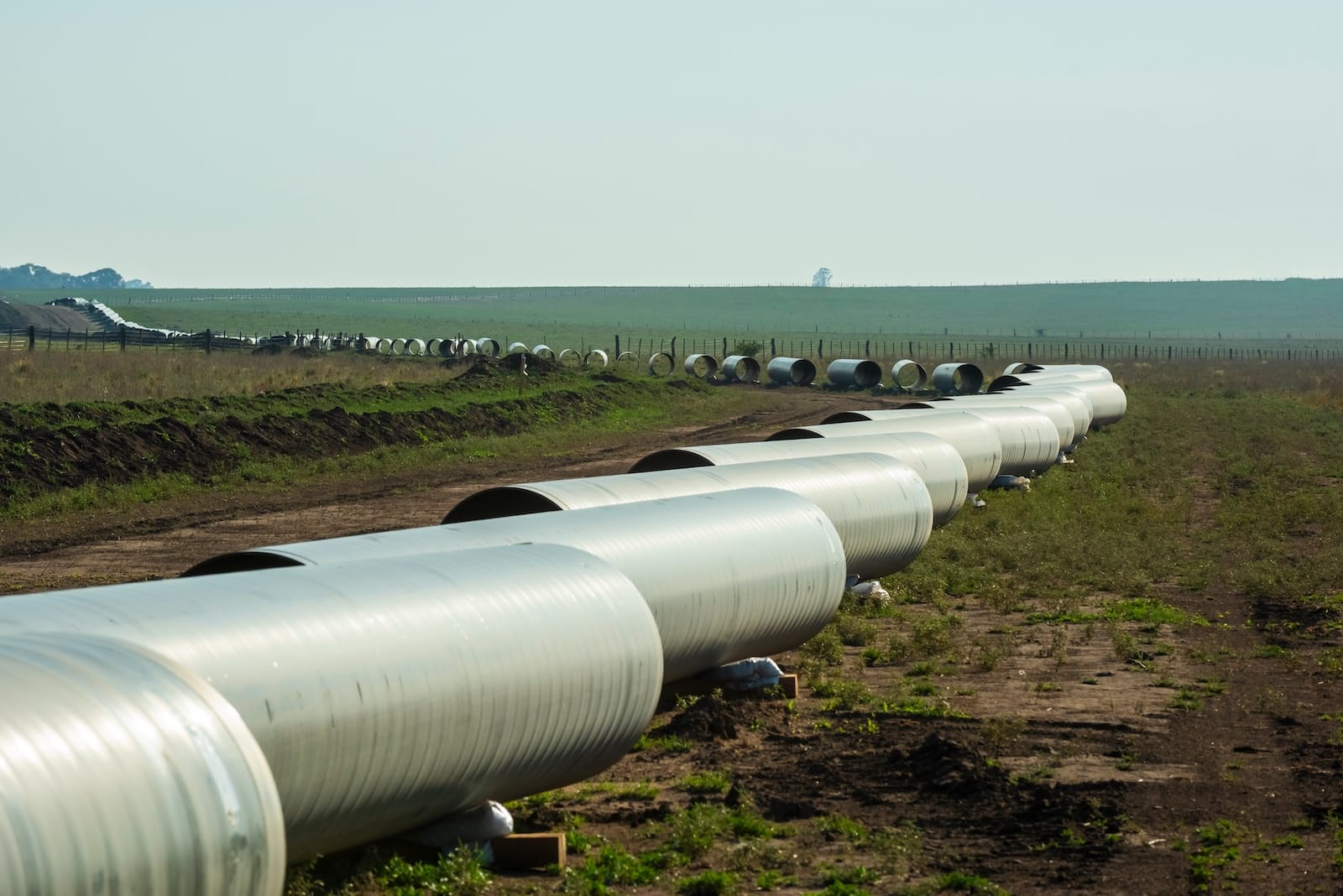
The European Union’s plan to replace Russian imports with North African supply rests on the assumption that Algeria, Libya, and Egypt act as a unified, reliable bloc. In reality, the trio is far from interchangeable. Egypt, once touted as a Mediterranean export hub, has seen its domestic output falter, forcing it to compete with Europe for LNG cargoes on the global spot market. Meanwhile, Algeria’s export capacity is constrained by rising domestic consumption and a reliance on infrastructure already operating near its ceiling. While Berlin’s deal with Algiers signals a deepening partnership, it represents a reallocation of existing resources rather than a surge in new supply.
Libya offers the only genuine growth potential, yet it remains the most precarious element of the strategy. Although recent political maneuvering and foreign guarantees have allowed for a unified budget and increased production, the underlying security risks remain unresolved. Investors continue to navigate a fractured landscape, hedging their bets between the Tripoli government and eastern authorities. As the EU’s 2027 deadline for a total Russian gas ban approaches, the reality is that Europe will likely depend on American and Qatari LNG to bridge the shortfall, paying a premium to cover for the gap between legislative timelines and the actual production capacity of its North African partners.


Comments (0)
No comments yet. Be the first!