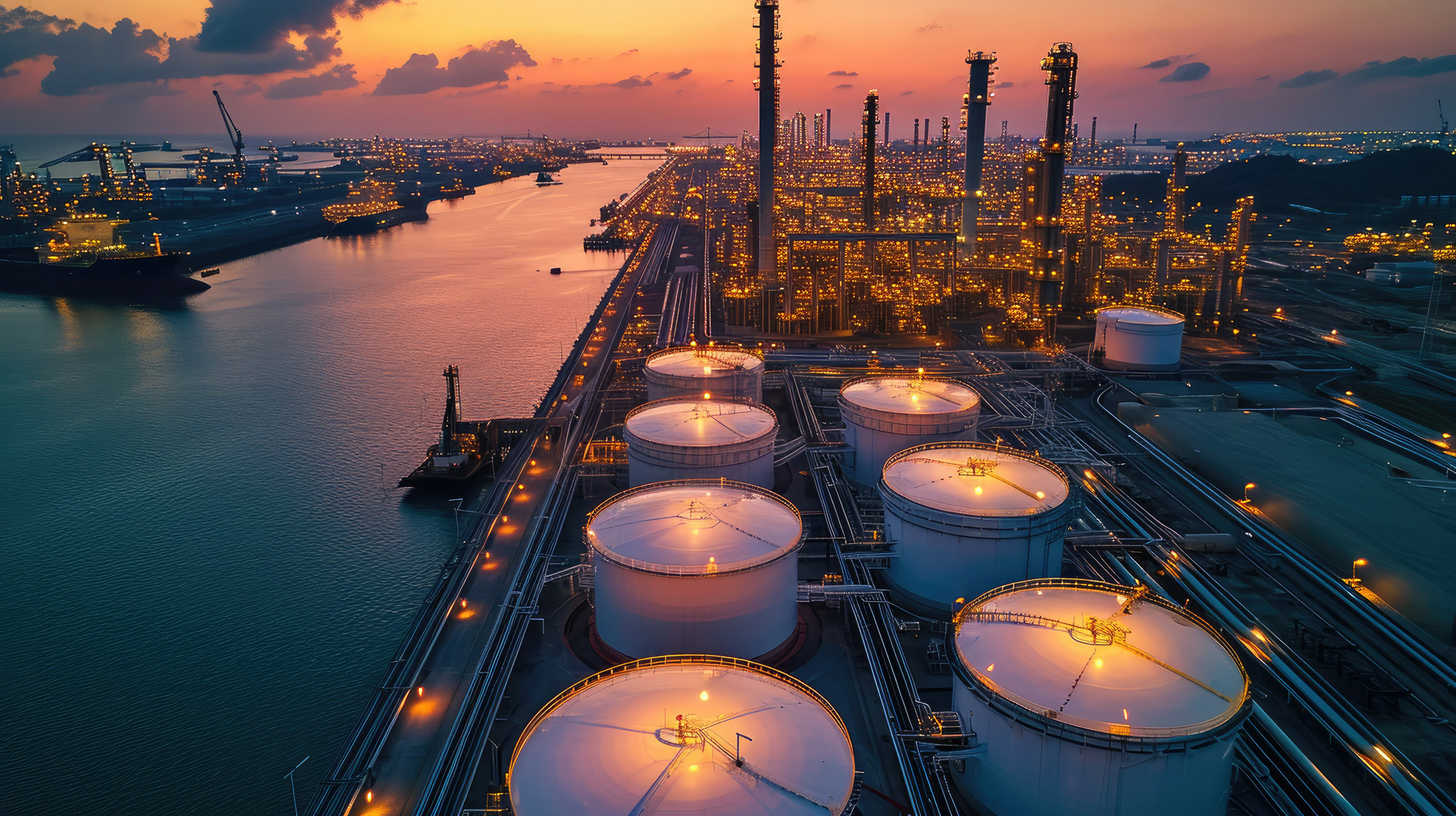
Since the outbreak of hostilities on 28 February 2026, the Strait of Hormuz has transformed into an active theater of confrontation. Iran has effectively shuttered the passage, utilizing mines, submarines, and anti-ship missiles to disrupt 20% of global oil shipments. The International Energy Agency warns that the resulting economic shock may require a decade of recovery, as markets brace for a crisis mirroring the 1973 oil embargo.
While the Houthis have not fully closed the Bab el-Mandeb, their past actions demonstrate significant leverage. In 2024, threats to the strait forced a 40% hike in shipping costs and extended transit times by up to three weeks as vessels diverted around the Cape of Good Hope. The Houthis face a strategic dilemma: a full closure would cripple their own access to vital food and fuel imports through the ports of Hodeidah and Salif. Yet, should American strikes on Yemeni soil intensify, the group may calculate that the economic devastation of the region is a price worth paying.
Western response efforts, led by the EUNAVFOR ASPIDES mission based in Larissa, have successfully escorted over 670 vessels since February 2024. Despite a new logistical agreement with Djibouti and a raised threat level, the presence of these forces remains a reactive measure against a coordinated strategy. By leveraging the “Axis of Resistance,” Tehran and its allies are challenging the long-standing American role as the sole guarantor of maritime security. This ongoing maritime siege is more than a navigation dispute; it is a clear indicator that the era of unipolar control over global trade routes is rapidly receding.



Comments (0)
No comments yet. Be the first!