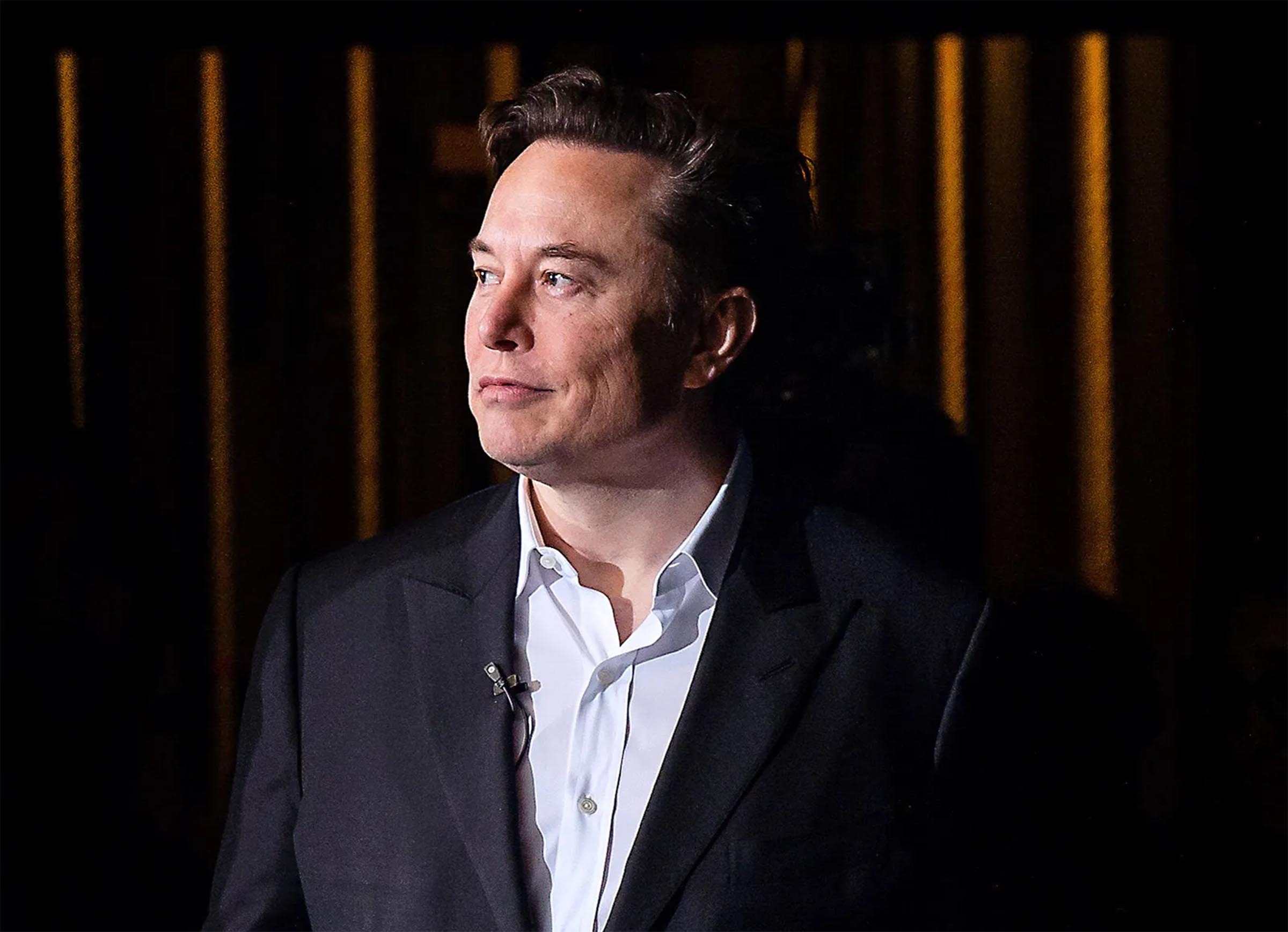
The Austin-based automaker posted earnings of 33 cents per share, trailing the 53 cents projected by analysts, even as revenue climbed 26% to $28.24 billion. This financial disconnect highlights a strategic pivot: Tesla is currently funneling massive resources into the Optimus humanoid robot, specialized AI infrastructure, and the expansion of its autonomous fleet. CFO Vaibhav Taneja confirmed that capital expenditures are expected to exceed $25 billion this year, with growth trends slated to continue for the next three years.
Despite the profit dip, Tesla’s core automotive business showed resilience, delivering 480,216 vehicles—a 25% increase from the previous year. This recovery follows a period of sluggish European sales and the loss of the global EV crown to China’s BYD. The company’s energy generation and battery storage divisions provided a secondary boost, contributing $3.14 billion in revenue. Shares reacted to the earnings report with a 4.1% decline in after-hours trading.
Musk defended the increased spending during a conference call, characterizing it as the most ambitious infrastructure buildout in the company’s history. While production for the Optimus robot is scheduled to begin later this year and the Cybercab has entered production in Texas, management remains cautious about the speed of the robotaxi rollout. Musk emphasized a deliberate testing process for the Cybercab chassis to avoid safety risks, prioritizing long-term development over aggressive market entry.


Comments (0)
No comments yet. Be the first!