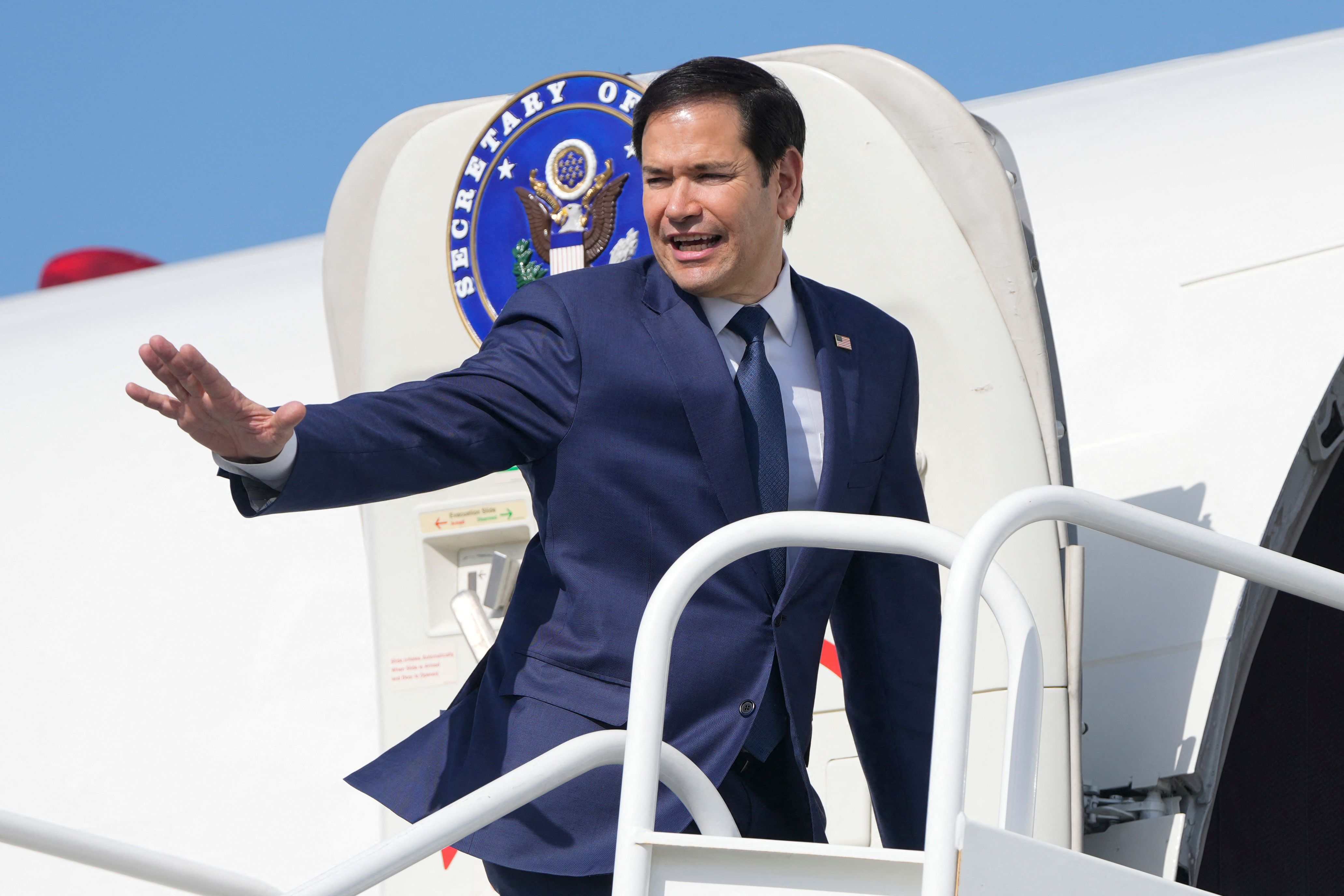
Speaking in Manila, Rubio accused Tehran of failing to engage in good faith despite ongoing mediation efforts. He warned that Washington remains prepared to use force to protect international waterways, drawing a direct parallel between Iran’s actions and territorial disputes in the South China Sea. “If we create a precedent where a nation decides it can control an international waterway, charge a toll, and attack ships, we create a dangerous example,” Rubio said, emphasizing the strategic necessity of keeping maritime chokepoints open.
While diplomatic channels remain open—including a proposed 10-day ceasefire currently being discussed via intermediaries—the military situation on the ground continues to deteriorate. The U.S. military recently conducted its 11th consecutive night of strikes, including operations near an Iranian nuclear facility in Bushehr. In response, Iran claimed to have launched drone attacks against U.S. installations in Kuwait, Jordan, and Bahrain. President Donald Trump confirmed that 18 American service members have been killed since the onset of hostilities, underscoring the high cost of the current engagement.
Energy markets are reacting sharply to the volatility. With Houthi militants threatening a blockade on Saudi oil tankers, commercial operators are already rerouting vessels away from the Bab el-Mandeb Strait. Although Saudi Arabia has utilized its Yanbu terminal to maintain some export flow, the potential for a total closure of key chokepoints—which handle a significant portion of global oil consumption—has triggered a surge in gasoline prices. As both sides trade strikes, the window for a negotiated settlement remains narrow, leaving the global supply chain in a state of heightened uncertainty.

Comments (0)
No comments yet. Be the first!