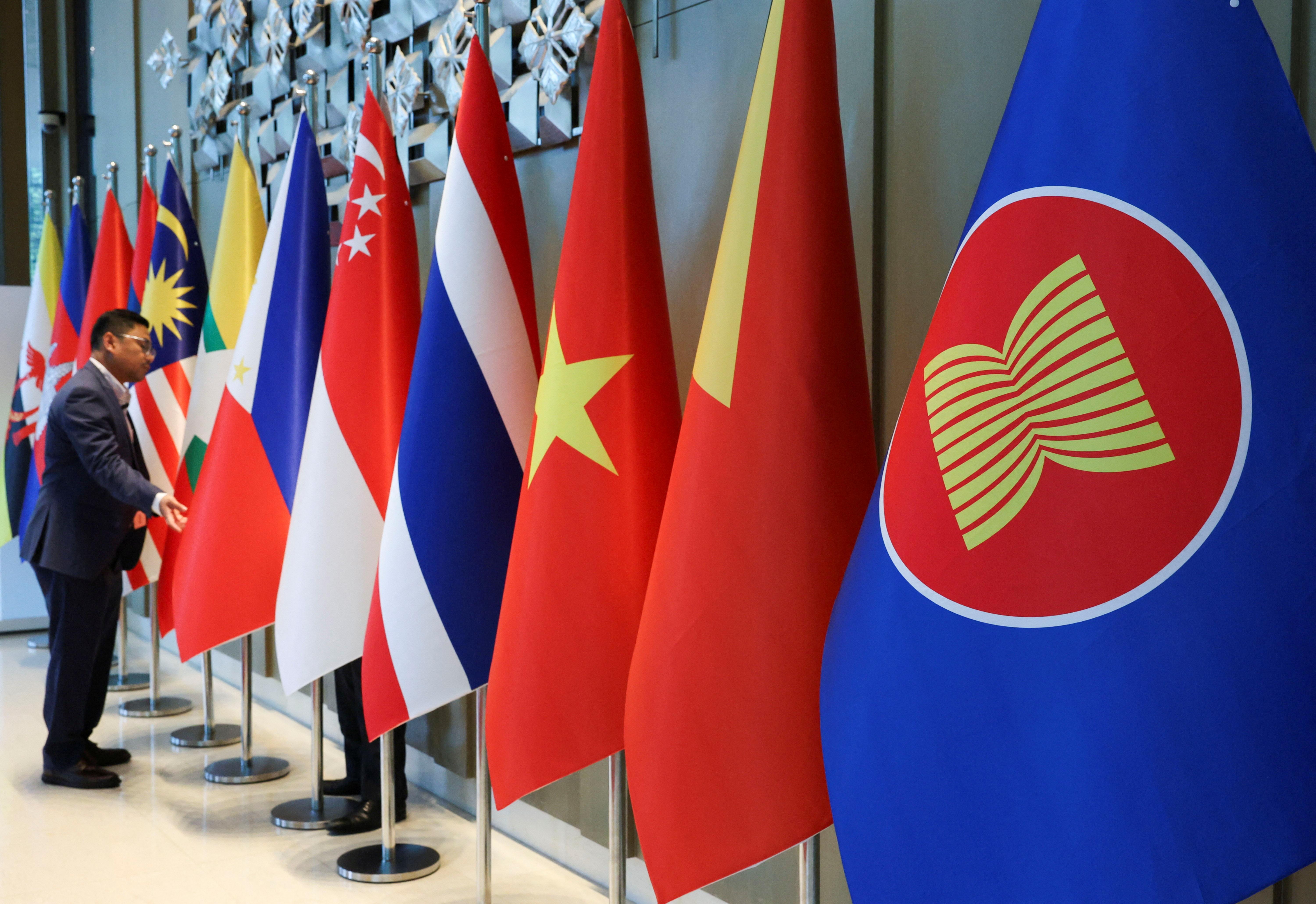
The regional gathering brings together senior officials from global powers including the United States, China, and Russia. Ministers expressed alarm over the renewed conflict between Washington and Tehran, noting that it undermines fragile diplomatic channels. For Southeast Asian nations, the stakes are primarily economic; the region relies heavily on imported oil, and potential disruptions in the Strait of Hormuz could trigger inflation and slow growth across a combined $3.8 trillion economy. Member states are currently fast-tracking an oil-sharing mechanism to mitigate these supply shocks.
Beyond economic concerns, the summit highlights the bloc’s struggle to address regional security. The civil war in Myanmar remains a significant point of contention, with the Five Point Consensus failing to halt a conflict that has displaced millions since the 2021 military coup. Simultaneously, maritime friction reached a new peak on Monday following a confrontation between the Chinese Coast Guard and a Philippine sailor near Second Thomas Shoal. As U.S. Secretary of State Marco Rubio and Chinese Foreign Minister Wang Yi attend the meetings, the ongoing rivalry between their nations threatens to overshadow regional cooperation, leaving ASEAN to navigate a precarious path between competing global interests.



Comments (0)
No comments yet. Be the first!