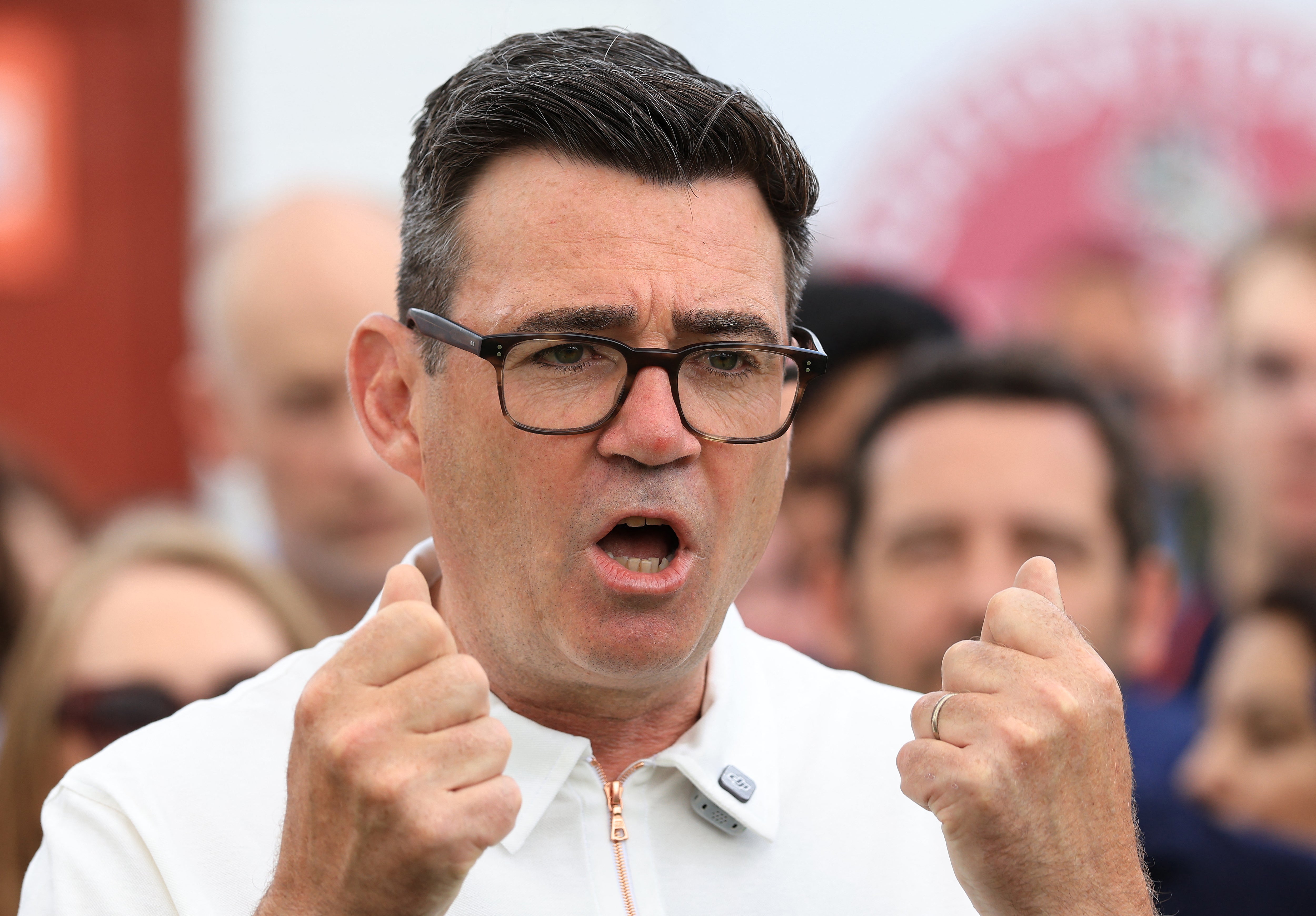
Burnham enters Downing Street with a distinct political brand cultivated far from the Westminster bubble. Known as the “King of the North,” he built his reputation by challenging the centralization of power in London, arguing that Britain’s economic architecture has systematically ignored regional needs. His promise to “rewire Britain” now moves from a campaign slogan to a governing test, as he inherits a landscape marked by high inflation, crumbling infrastructure, and mounting pressure on public services.
The immediate focus shifts to his cabinet appointments, which will serve as the first bellwether for his economic trajectory. Investors and lawmakers are closely monitoring whether he taps figures like Ed Miliband or Shabana Mahmood, a choice that will signal whether his administration prioritizes fiscal caution or aggressive public investment. Beyond the cabinet room, the government faces acute crises in the utility sector, particularly regarding the debt-laden Thames Water, where ministers have signaled a willingness to impose strict oversight to curb service failures.
Ultimately, Burnham’s tenure will be defined by his ability to bridge the gap between long-term structural reform and the immediate cost-of-living crisis. While his focus on decentralization aims to win back working-class voters shifting toward Nigel Farage’s populist platform, he faces significant constraints: limited fiscal headroom and a public impatient for results. Success will hinge on whether he can translate his regional governance experience into a national strategy that delivers tangible economic growth before the next electoral cycle.


Comments (0)
No comments yet. Be the first!