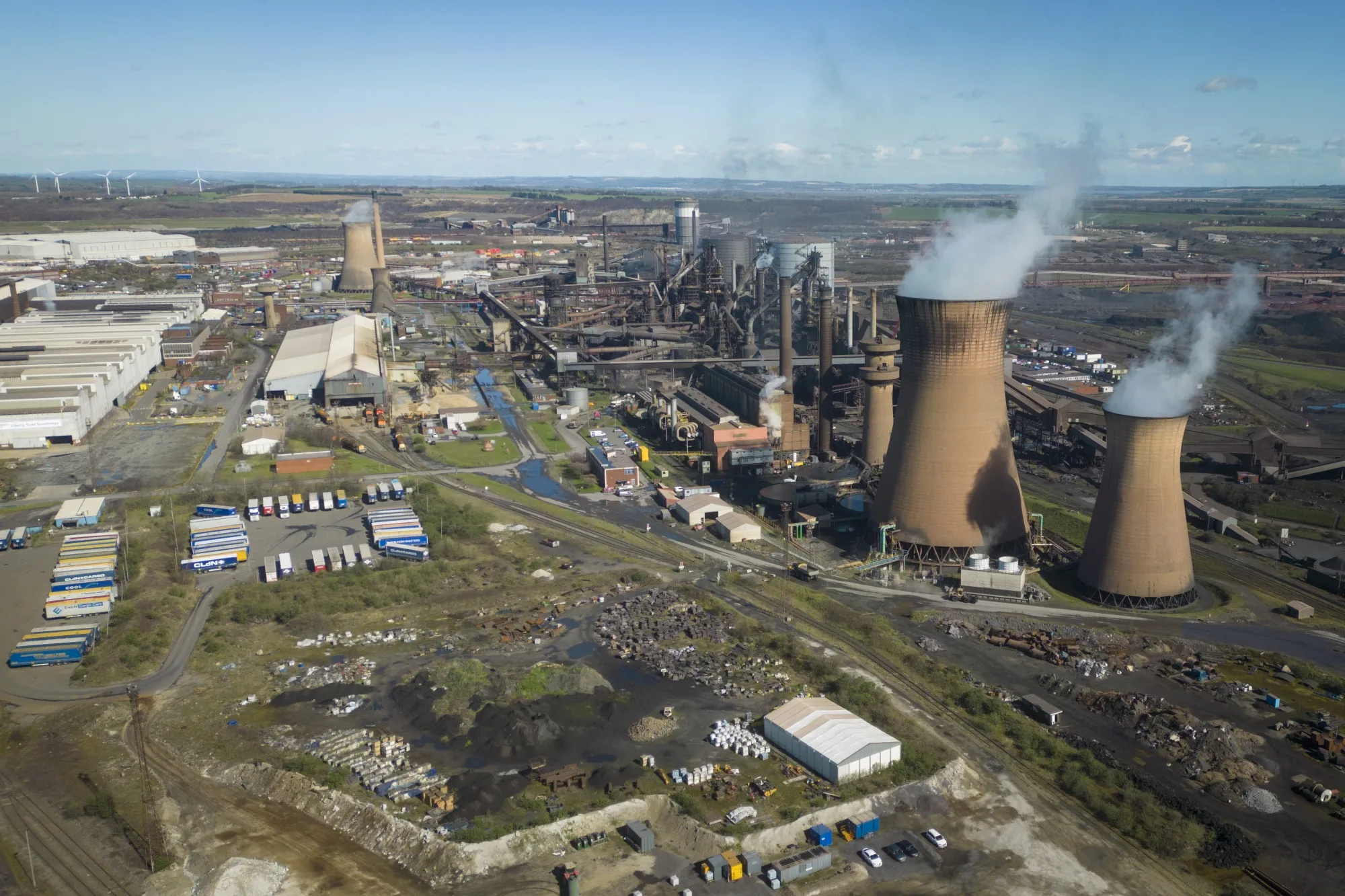
Beijing’s "Going Global" initiative, which fueled a decade of expansion into overseas manufacturing, energy, and infrastructure, now faces a cooling reception. As European and North American regulators tighten oversight of foreign ownership, Chinese firms find themselves at the center of a new, politically charged landscape. The British Steel dispute serves as a litmus test for how such assets are treated when national sovereignty clashes with private investment, potentially prompting Chinese policymakers to favor emerging markets in Southeast Asia, Africa, and the Middle East where regulatory barriers appear less formidable.
For Chinese enterprises, the incident underscores a fundamental change in risk management: success now requires navigating complex diplomatic waters rather than relying solely on financial returns. As Beijing seeks to protect its corporate interests through legal and diplomatic channels, global investors are watching closely. The outcome of potential compensation negotiations for Jingye Group will likely set a precedent for how future disputes over critical infrastructure are resolved. This shift does not necessarily signal a retreat from international markets, but it does demand a more cautious, politically aware approach to global expansion in sectors ranging from steel and telecommunications to advanced manufacturing.




Comments (0)
No comments yet. Be the first!