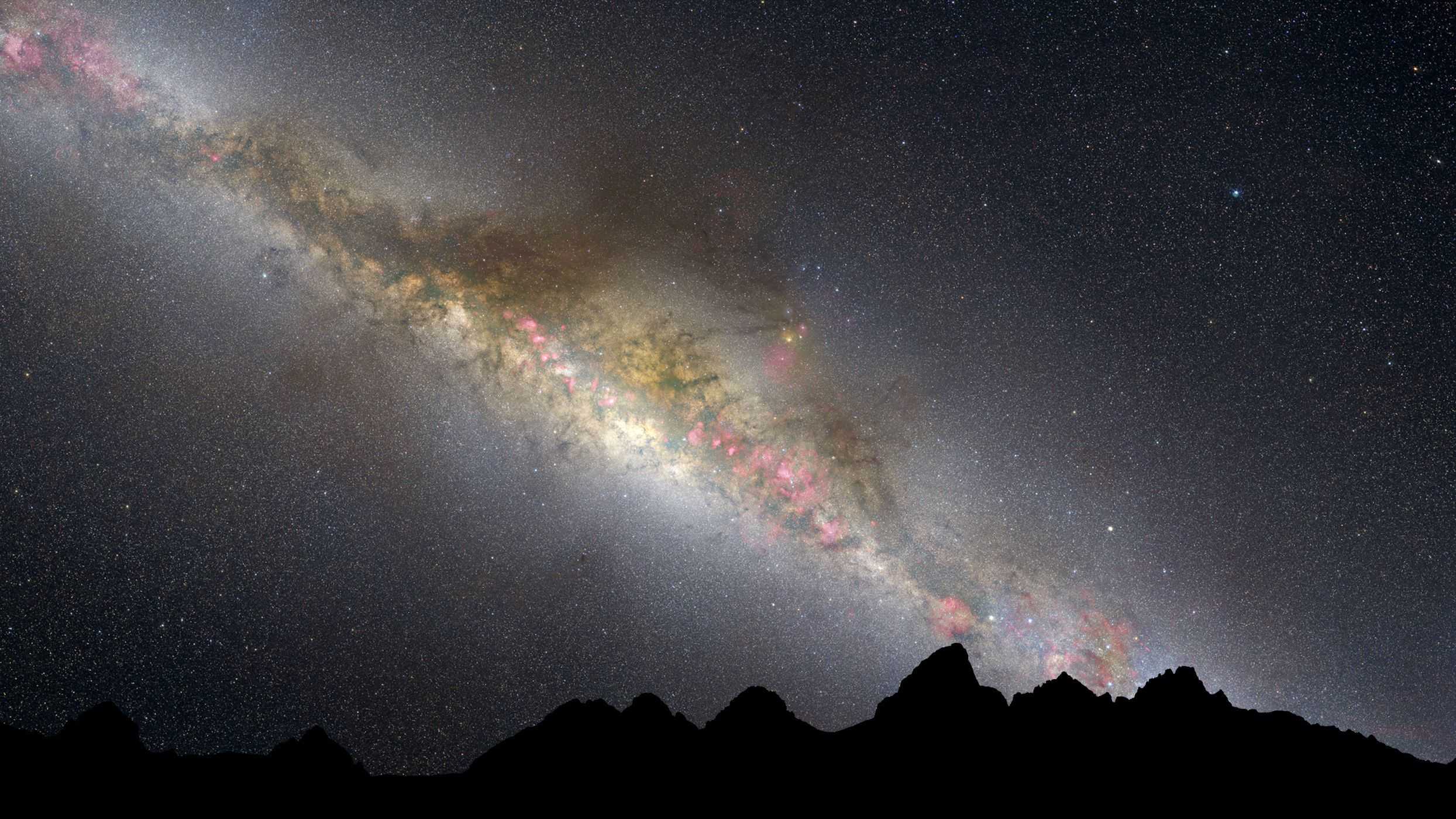
Dr. Izaskun Jimenez-Serra and her team at Spain's Centre for Astrobiology identified the molecule using two radio telescopes to survey the G+0.693-0.027 dust cloud. While the team initially sought simpler three-carbon sugars, they instead detected the four-carbon erythrulose forming on microscopic grains of dust at temperatures near -250 degrees Celsius. These grains serve as a chemical workshop, allowing organic compounds like glycolaldehyde and ethylene glycol to synthesize into more complex structures.
The findings, published in Nature Astronomy, provide a potential solution to a long-standing mystery regarding the origins of life on Earth. Laboratory models have historically struggled to explain how simple sugars became abundant enough to jumpstart biological processes on the young planet. Jimenez-Serra posits that the discovery of erythrulose in the interstellar medium supports the theory that comets and asteroids delivered these essential compounds during the Late Heavy Bombardment. By acting as precursors to ribonucleotides—the building blocks of RNA—this extraterrestrial sugar may have been a critical catalyst in the formation of early genetic material.




Comments (0)
No comments yet. Be the first!