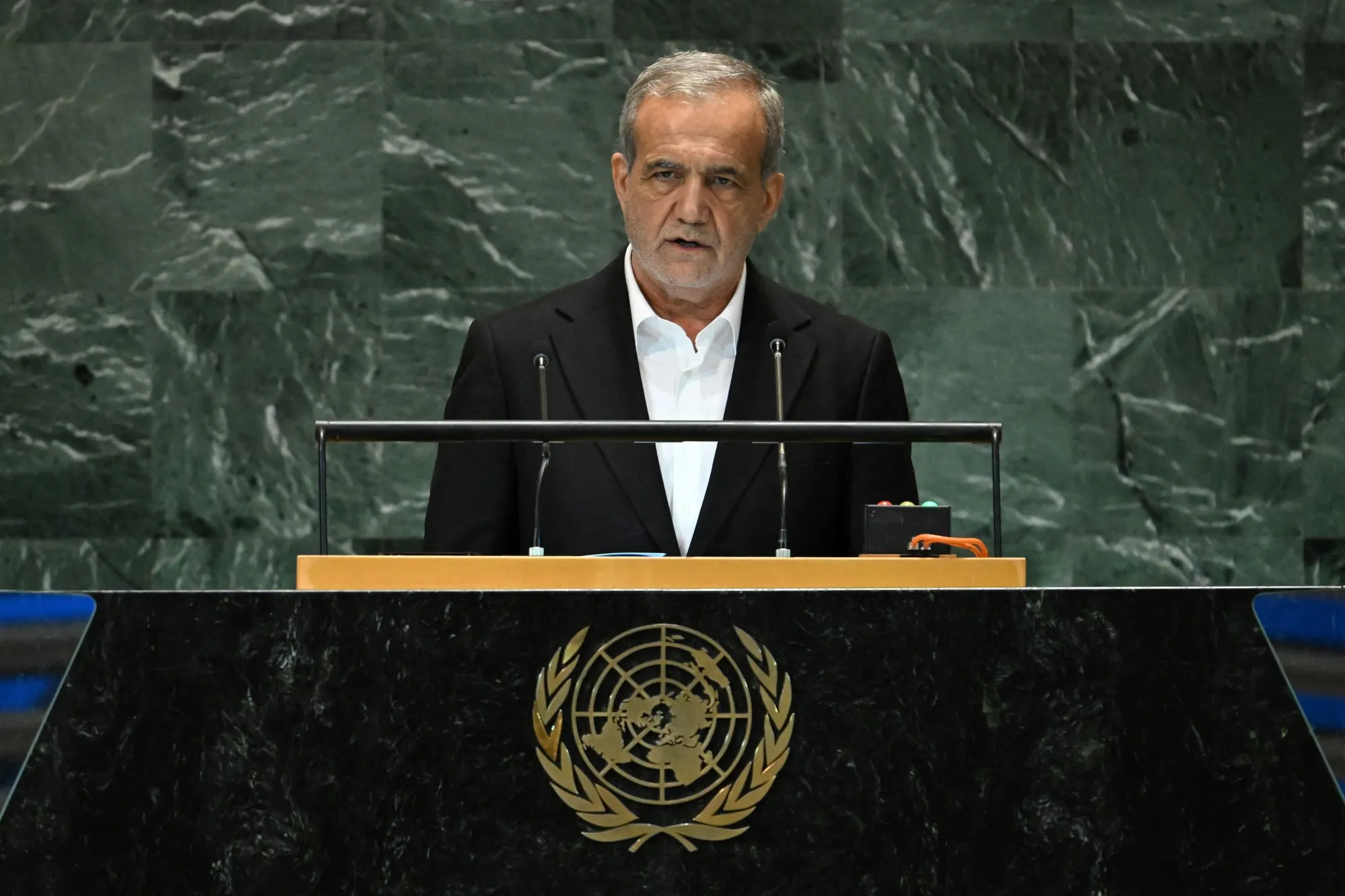
The political fracture centers on the prolonged absence of the new Supreme Leader, Mojtaba Khamenei. With his whereabouts kept from the public, power has shifted toward a pragmatist bloc led by President Masoud Pezeshkian, Parliament Speaker Mohammad Bagher Ghalibaf, and Foreign Minister Abbas Araghchi. This shift has triggered open hostility from ultra-hardliners who view the trio’s pursuit of a ceasefire with the United States as a betrayal of the state’s core mission.
Accusations of treason have escalated into direct physical threats. Religious singer Mohammad Ali Bakhshi publicly warned President Pezeshkian, vowing to bring "hell" upon him if the hardliners’ demands for retribution against the U.S. and Israel remain unmet. Inside parliament, figures like Mahmoud Nabavian and Kamran Ghazanfari are framing the marginalization of revolutionary institutions as a deliberate, step-by-step seizure of power that sidelines the supreme leader’s authority.
Despite the vitriol, the establishment is moving to neutralize its most radical detractors. The recent removal of Nabavian from the National Security Commission signals an attempt by Ghalibaf to consolidate control as the ceasefire with Washington struggles to hold. While the leadership remains committed to securing sanctions relief, the open infighting reveals a state caught between the necessity of diplomacy and the violent demands of a faction that refuses to abandon its confrontational legacy.



Comments (0)
No comments yet. Be the first!