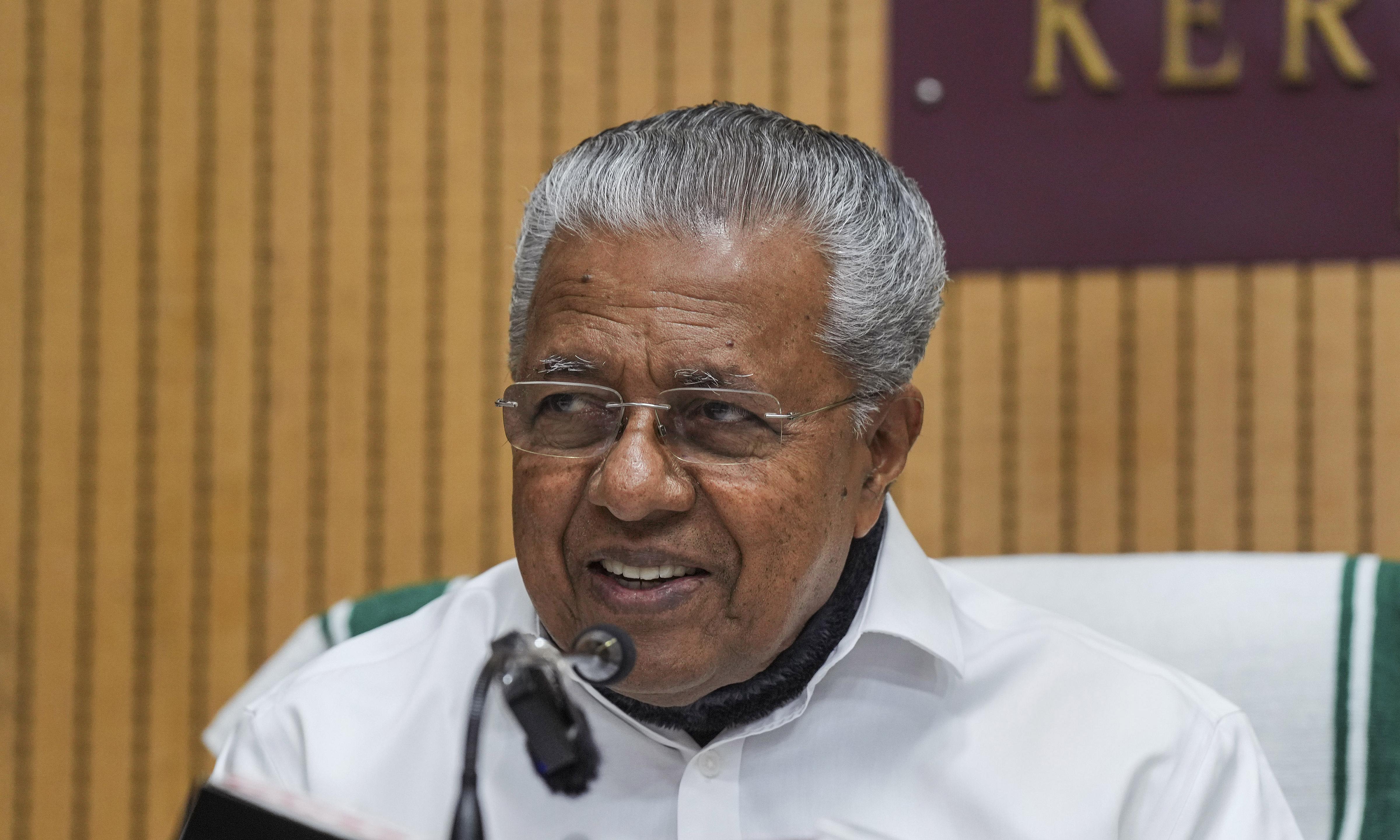
The controversy centers on the state government's decision to include non-Muslim members in the Waqf Board, a move Vijayan contends violates established community trust. He pointed to the administration's recent stance in the High Court, where state representatives appeared to align with petitioners challenging the board's traditional functions. According to Vijayan, this pivot signals a retreat from the state’s previous commitment to opposing controversial 2025 amendments to the central Waqf Act.
By softening its resistance to these federal changes, the government is effectively facilitating a political agenda that could erode the secular oversight of Waqf assets. Vijayan warned that such administrative concessions weaken local autonomy and leave the management of community property vulnerable to broader, centralized control. The ongoing legal battles now reflect a deeper clash between state policy and the preservation of minority institutional rights.




Comments (0)
No comments yet. Be the first!