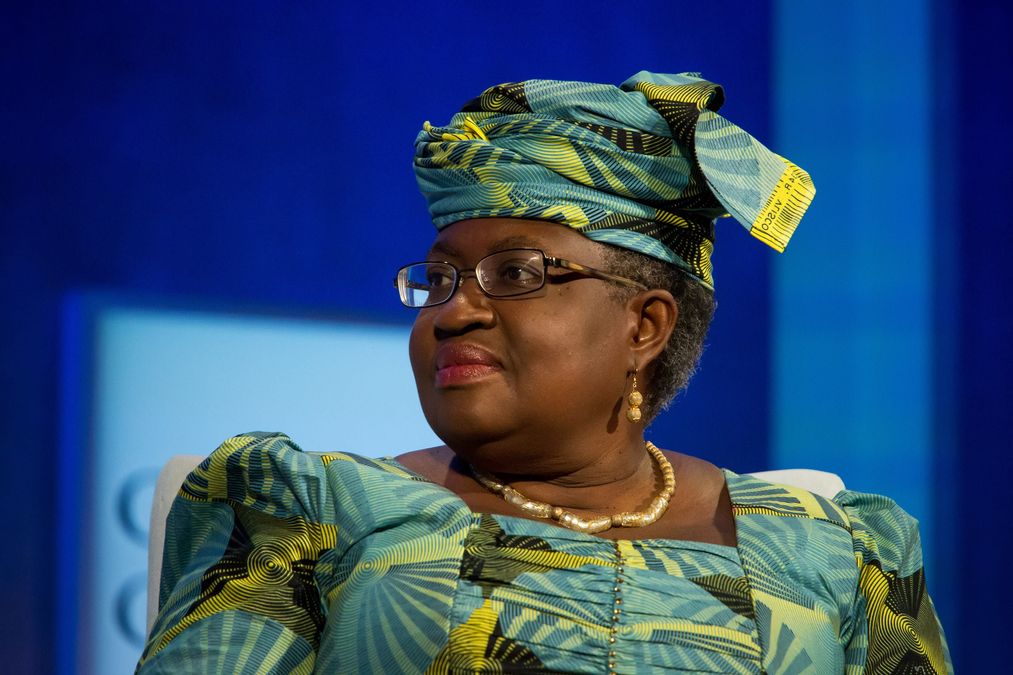
Okonjo-Iweala emphasized that these tracks must complement rather than compete, urging delegations to accelerate progress ahead of the autumn session. The push for reform aims to equip the organization to handle contemporary economic volatility, while negotiations on agriculture, services, and fisheries subsidies remain focal points for practical policy outcomes. Recent momentum in the fisheries sector saw the Kyrgyz Republic, Niger, and Thailand formally accept the Agreement on Fisheries Subsidies, pushing the total count of ratifications to 122.
Despite this, structural disagreements persist. While members reaffirmed the importance of agriculture, they remain deadlocked on specific negotiating approaches, citing a lack of political trust. Similar challenges impact the services sector, where delegates are still working to define a common agenda under the General Agreement on Trade in Services. In the interim, the General Council approved several administrative measures, including temporary duty-free waivers for the African Growth and Opportunity Act and the Caribbean Basin Economic Recovery Act, both extending until December 31, 2026. General Council Chair Clare Kelly confirmed that five facilitators are currently managing consultations on contentious issues, including the electronic commerce moratorium and the selection of a host for the 15th Ministerial Conference.



Comments (0)
No comments yet. Be the first!