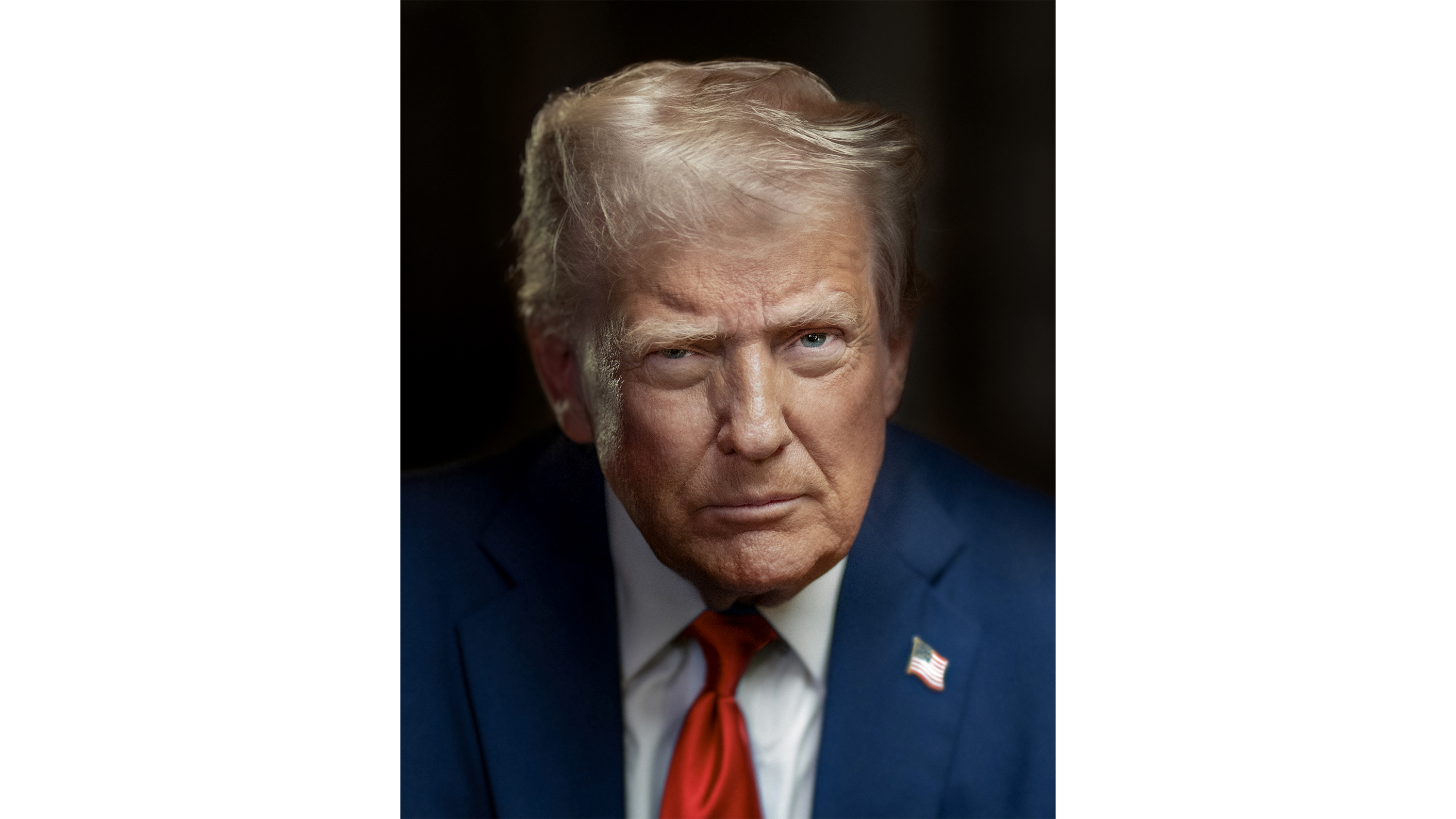
The administration’s claims focus on three primary areas: alleged Chinese influence, vulnerabilities in electronic voting machines, and the registration of non-citizens. Trump asserts that Beijing attempted to sway the 2018 midterms and 2020 presidential race to favor Democrats, citing data collection efforts that intelligence agencies previously characterized as informational rather than operational. While a 2021 assessment confirmed China gathered data on American voters, it concluded that Beijing ultimately opted against active interference in the 2020 outcome.
Regarding voting infrastructure, the White House pointed to CIA records detailing how former Venezuelan leader Nicolas Maduro manipulated election results. Although the documents confirm the Venezuelan government possessed the technical capability to alter vote tallies, there is no evidence such methods were imported or utilized within the United States. Furthermore, the administration highlighted a Department of Homeland Security review identifying roughly 278,000 non-citizens on voter rolls. Independent research, including findings from the Bipartisan Policy Center, suggests non-citizen voting remains statistically rare, occurring in approximately 0.04% of verified cases. Despite these discrepancies, the administration continues to pursue litigation against states to force the removal of voters from registration lists, a move critics warn could disenfranchise eligible citizens.


Comments (0)
No comments yet. Be the first!