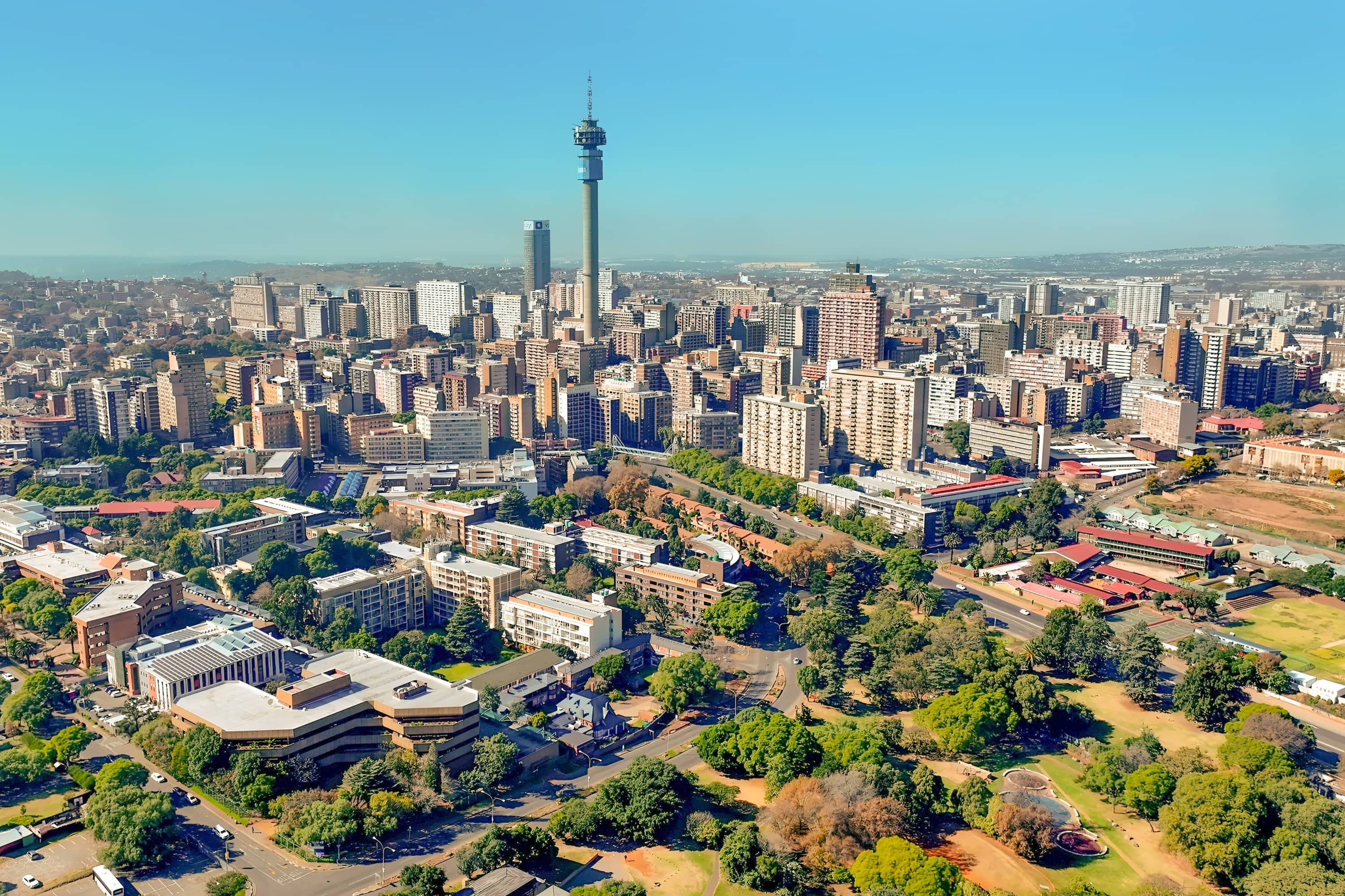
The financing, provided by the International Bank for Reconstruction and Development, expands the scope of earlier reforms by integrating water and sanitation alongside ongoing electricity and freight transport initiatives. World Bank projections suggest that the majority of anticipated job growth will originate from the energy and transport sectors, with 280,000 new roles expected by 2027.
Energy reforms focus on establishing a competitive wholesale market and incentivizing private transmission investment, with a target to connect 300,000 households to the grid within three years. These efforts build on recent momentum, including a sixfold increase in private renewable energy investment and the stabilization of power supply. Concurrently, the transport sector is seeing increased competition through private rail concessions and the country’s first private port terminal operation in Durban, contributing to a 50 percent surge in freight volumes since 2023.
For the first time, the program targets the water sector to address governance gaps and operational inefficiencies. By granting the National Water Resources Infrastructure Agency greater autonomy and opening the market to private providers, the government aims to improve service delivery for millions of households. Finance Minister Enoch Godongwana stated that the initiative is central to removing the structural constraints that have historically stifled economic growth. The operation is supported by an international coalition including Japan, Germany, the OPEC Fund, and the African Development Bank.


Comments (0)
No comments yet. Be the first!