The July 6 test is the latest proof that China is shifting toward a bastion strategy, mirroring the Cold War-era Soviet approach. By using the South China Sea as a heavily defended sanctuary, Beijing aims to keep its submarines within reach of the American mainland without exposing them to the vulnerabilities of the open Pacific. The successful flight of the missile, which traveled 7,200 kilometers, confirms that the JL-3 system can effectively threaten the U.S. East Coast from these protected home waters, marking a qualitative leap in China's second-strike credibility.
This demonstration campaign is as much about psychological signaling as it is about hardware. By conducting tests in international waters during high-tension diplomatic windows, Beijing is normalizing its presence as a global nuclear power. While Chinese officials claim transparency, the selective disclosure of launch data and the ambiguity surrounding missile types serve to maintain strategic opacity. This behavior forces regional powers like Japan and Australia to reconsider their own defense architectures, with Tokyo now debating the necessity of nuclear-powered submarines to maintain the endurance required for modern anti-submarine warfare.
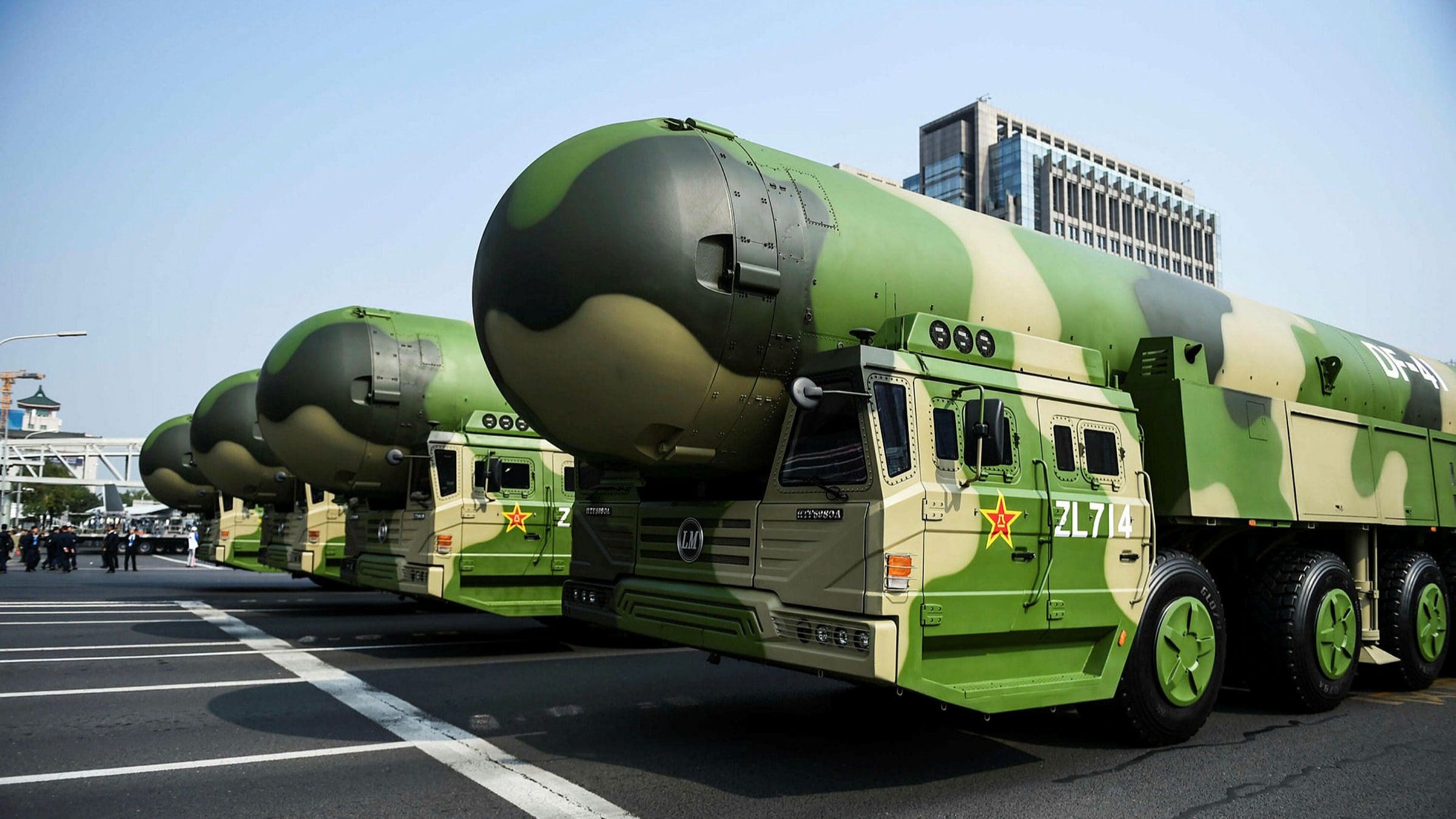
Ultimately, the test serves as a bridge between China's land-based nuclear expansion and its burgeoning sea-based deterrent. As China’s arsenal grows toward a projected 1,000 warheads by 2030, the Pacific security environment has fundamentally changed. The era of dismissing China’s undersea capabilities as theoretical has ended; the competition for maritime dominance has entered a more overt and volatile phase.




Comments (0)
No comments yet. Be the first!