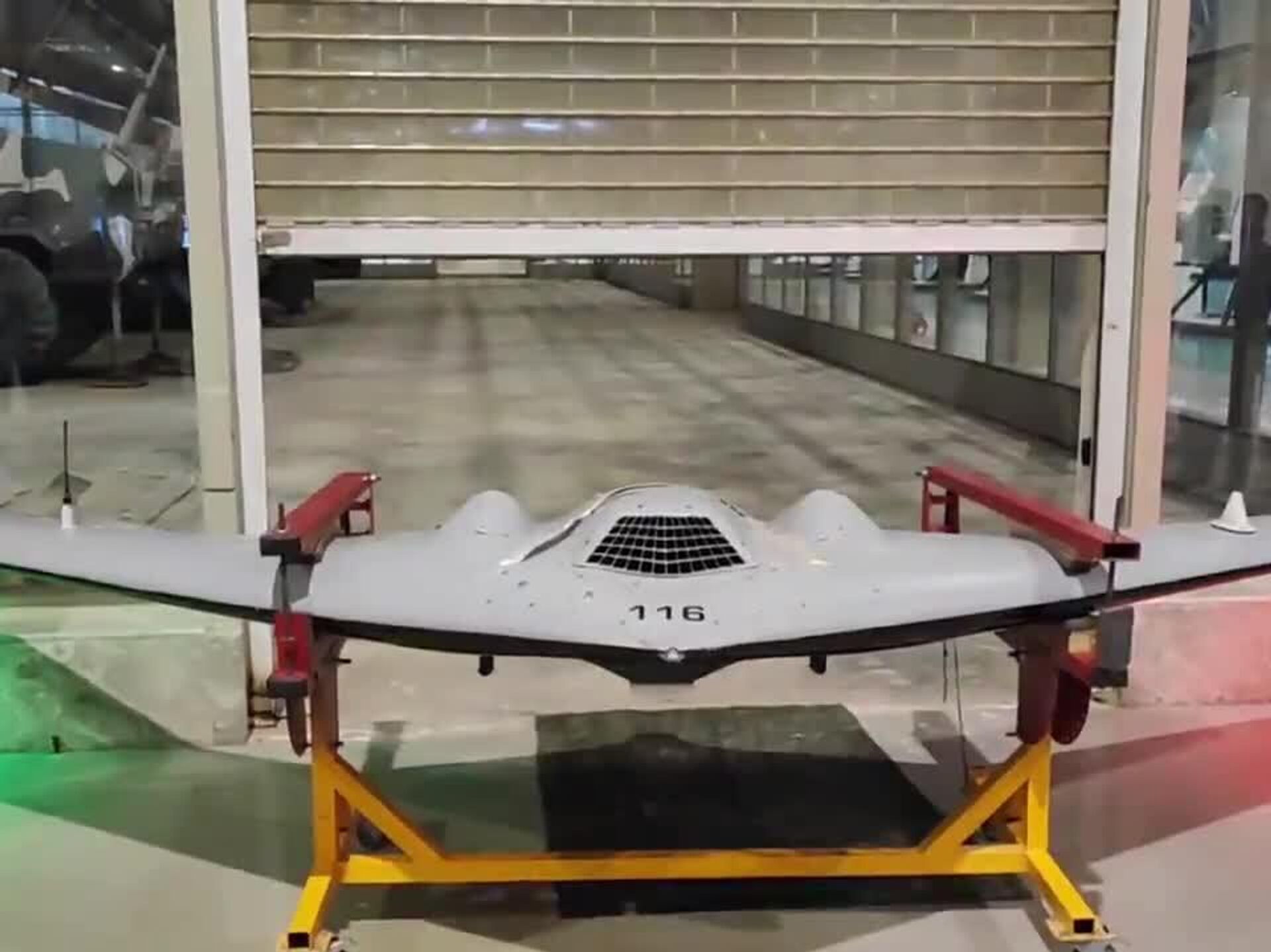
Modern combat has decoupled air power from air superiority. Russia’s invasion of Ukraine remains the primary example, where legacy air forces have failed to secure the skies, leaving a stalemate defined by electronic warfare and swarm tactics. This shift is fundamentally economic. With Iranian Shahed drones costing between $20,000 and $50,000, defenders face a lopsided financial burden. Houthi rebels in the Red Sea have exploited this by disrupting global shipping lanes without a single jet, proving that simply making an area dangerous is enough to achieve strategic objectives without total control.
Defense establishments are scrambling to pivot. Israel’s transition from the $40,000-per-shot Tamir interceptors to the laser-based Iron Beam system, costing roughly $2 to $3 per engagement, highlights a desperate need to align defensive costs with the low-cost reality of the threat. Similarly, the British Royal Navy’s decision to replace Type 83 destroyers with Common Combat Vessels signals an institutional admission that future maritime and aerial security depends on drone command capabilities rather than traditional surface-to-air platforms. The advantage now belongs to those who view air defense as a relentless war of attrition rather than a quest for altitude.




Comments (0)
No comments yet. Be the first!