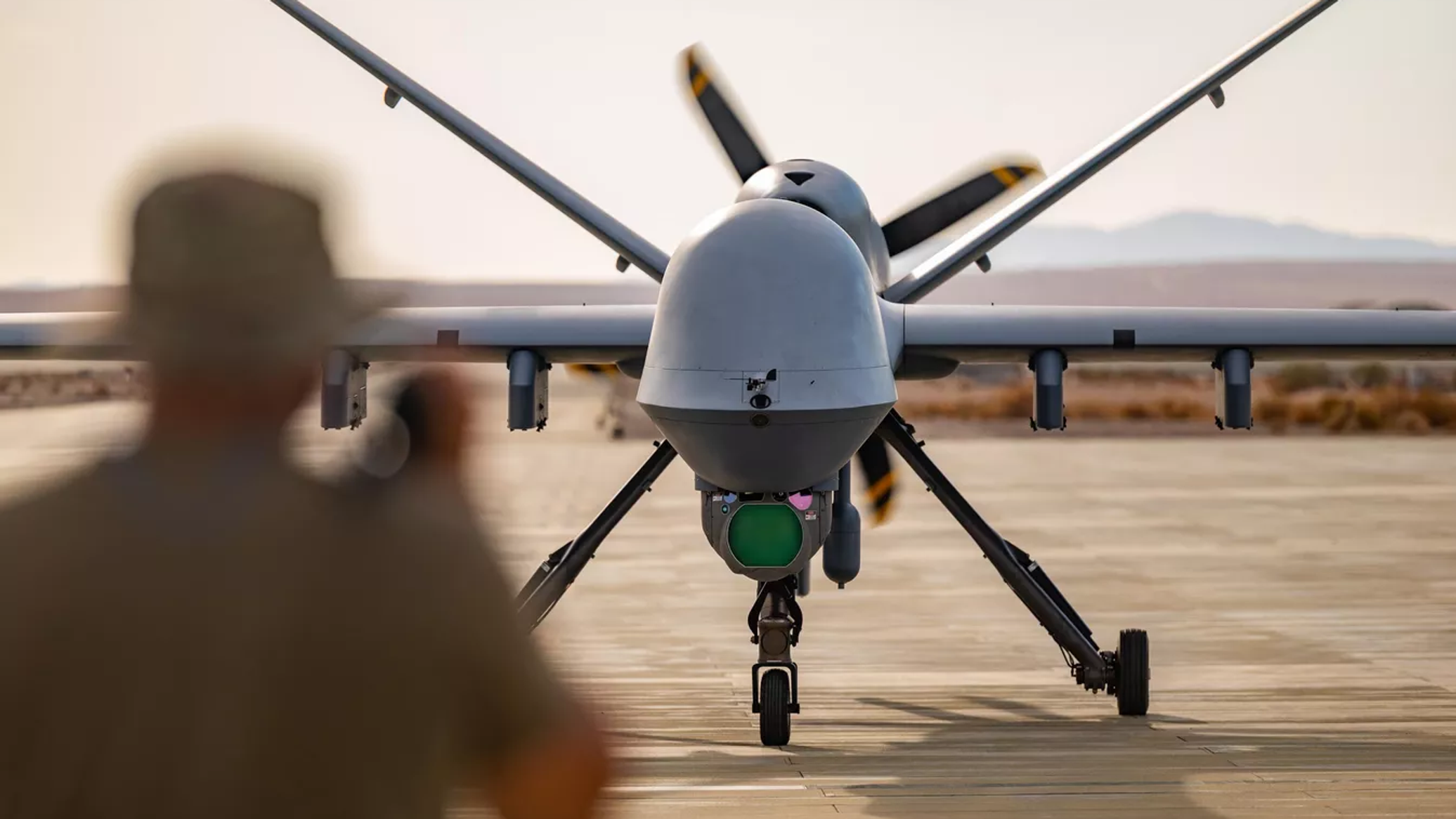
The overnight bombardment hit major locations including Qeshm Island, Bandar Abbas, and Bushehr, where explosions were reported near the nation’s only civilian nuclear plant. US Central Command stated the operations target military infrastructure used to threaten the Strait of Hormuz. In a direct attempt to enforce a naval blockade, American aircraft disabled the Curacao-flagged M/T Belma by firing Hellfire missiles into its smokestack, preventing the vessel from reaching Iranian ports.
Retaliatory fire saw sirens blaring across the US Fifth Fleet in Bahrain, while Jordanian forces reported intercepting three incoming missiles. In Iraq, the US-led coalition downed eight explosive-laden drones targeting the consulate in Erbil. Despite the escalating violence, the US State Department announced a $1.96 billion arms deal for Saudi Arabia and a $484 million sustainment package for Kuwait, pending congressional review.
President Trump, speaking from the US Army War College, claimed Iran is seeking a peace deal but warned of further destruction to power plants and bridges if negotiations fail. Meanwhile, Tehran released Dena Karari, a US-Iranian nonprofit director previously detained on espionage charges, in what the White House termed a gesture of goodwill. The Strait of Hormuz remains a flashpoint, with maritime traffic plummeting as both sides trade threats over the validity of the Islamabad memorandum.


Comments (0)
No comments yet. Be the first!