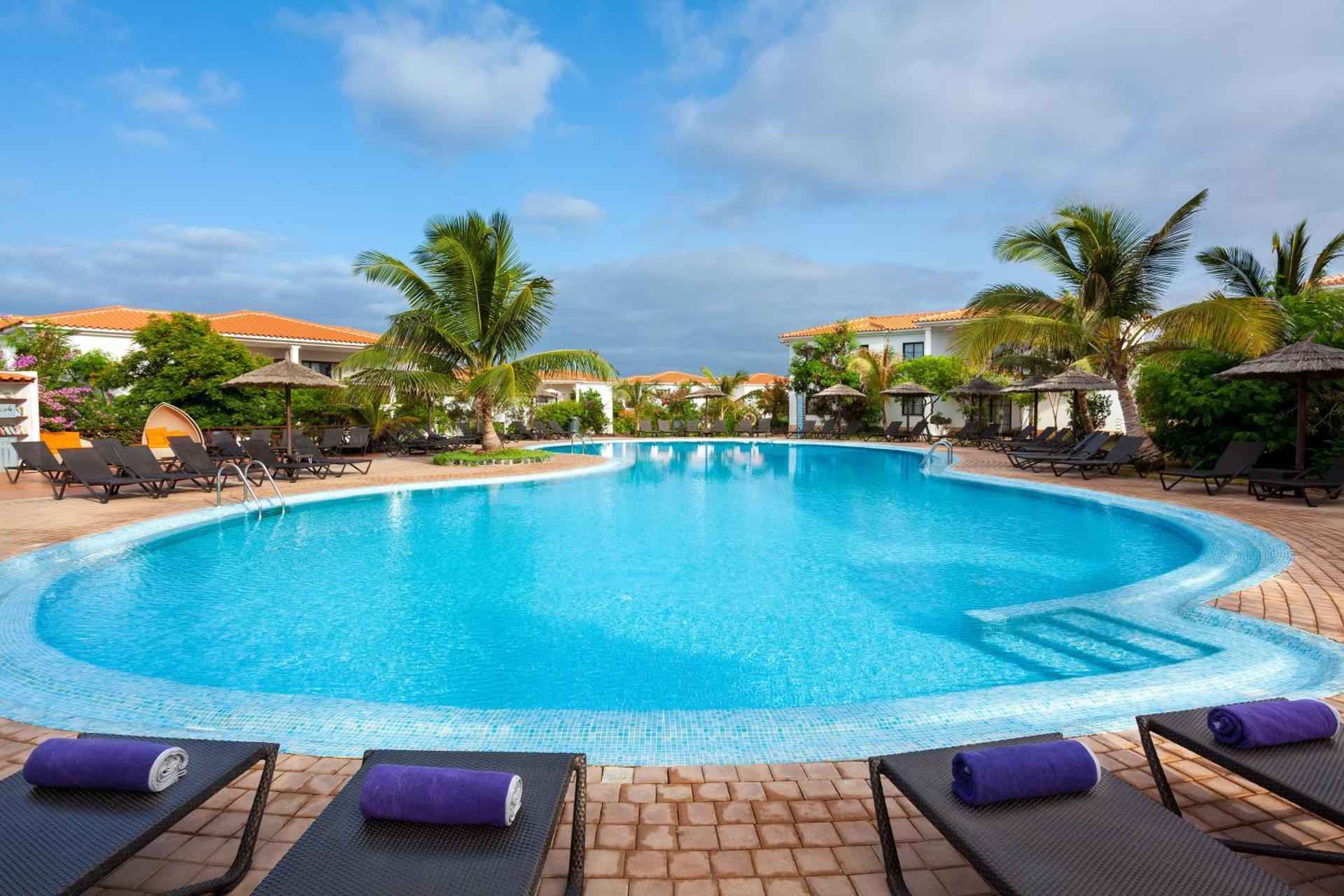
The country’s recovery shows tangible progress: poverty rates dropped to 51.2%, unemployment fell to 6.2%, and tax revenues climbed by 16.8%. With international reserves hitting a record €975 million, the government has built a vital buffer against external volatility. However, this prosperity remains unevenly distributed. Economic activity is heavily tethered to Sal and Boa Vista, leaving secondary islands struggling to integrate into the national market.
Indira Campos, the World Bank’s resident representative, emphasized that the next phase of development hinges on lowering business costs through better maritime and air links. Without these connections, sectors like agriculture and fisheries remain isolated from the tourism-driven demand that fuels the rest of the economy.
Fiscal risks persist beneath the surface. While public debt dipped to 100.7% of GDP, debt servicing remains a heavy burden, consuming over a third of government revenue—a figure that jumps to 46.3% when accounting for state-owned enterprises. To sustain growth, the World Bank suggests modernizing transport concessions and tightening governance over these enterprises to prevent long-term fiscal erosion. As global growth projections moderate to 4.8% for 2026, the focus shifts from recovery to the structural integration of the archipelago’s disparate islands.

Comments (0)
No comments yet. Be the first!