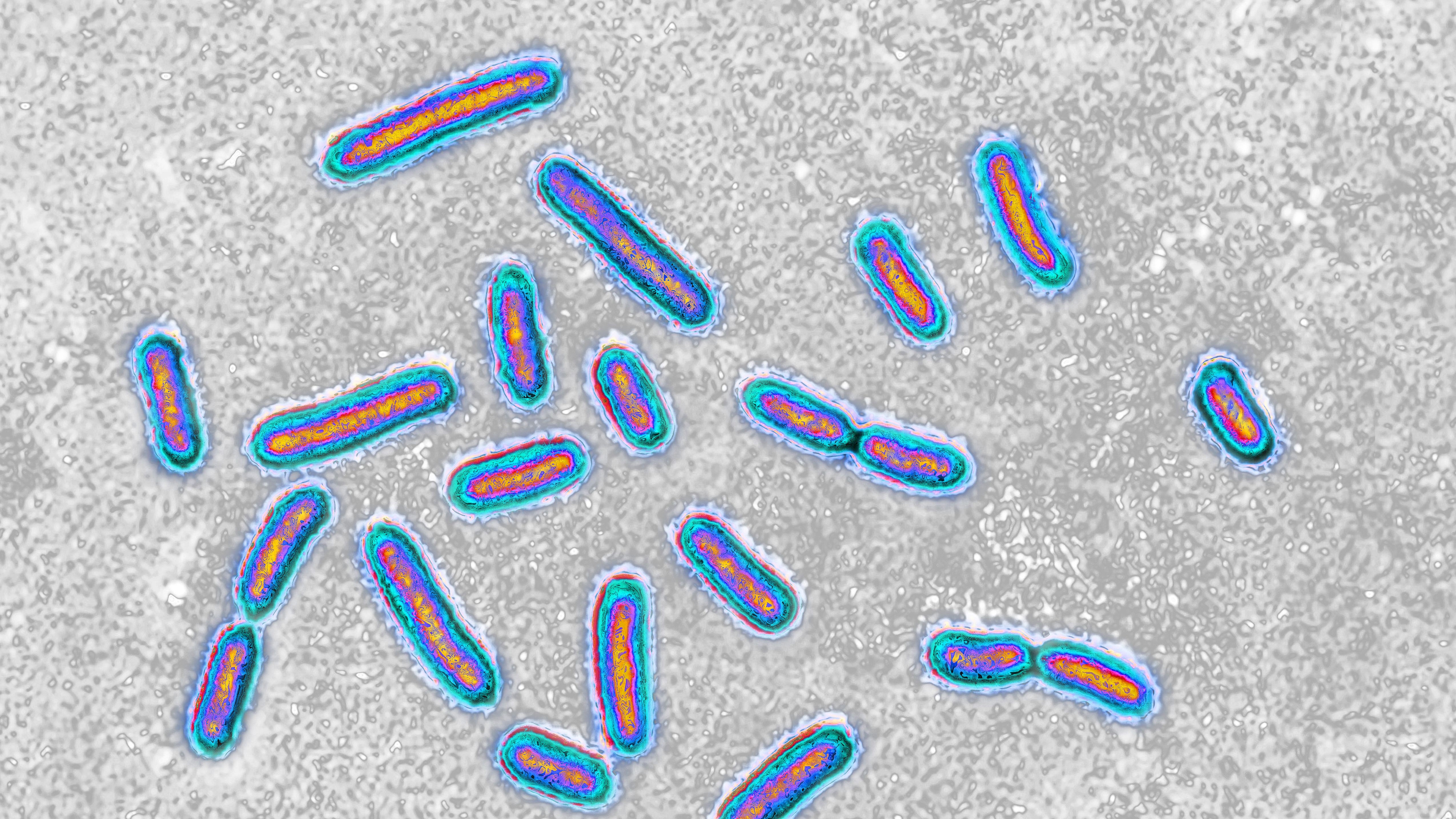
Scientists analyzing over 900 populations of the bug found that the pmrB gene mutates at an exceptionally high rate. This genetic volatility allows the bacteria to bypass the effects of colistin, which remains a critical tool for clinicians when conventional treatments fail. According to Professor Craig MacLean, the gene’s dual role—helping the pathogen evade human immune systems while simultaneously fostering drug resistance—creates a rapid evolutionary cycle that renders standard interventions ineffective.
The study, published in Cell Reports, offers a slim margin of optimism: the bacteria tend to shed this resistance once the antibiotic pressure is removed. This discovery may guide future hospital protocols, helping doctors refine the timing and duration of colistin use to preserve its efficacy. With antibiotic-resistant infections claiming over one million lives annually, the race to develop new therapeutic alternatives remains a critical global health priority.




Comments (0)
No comments yet. Be the first!