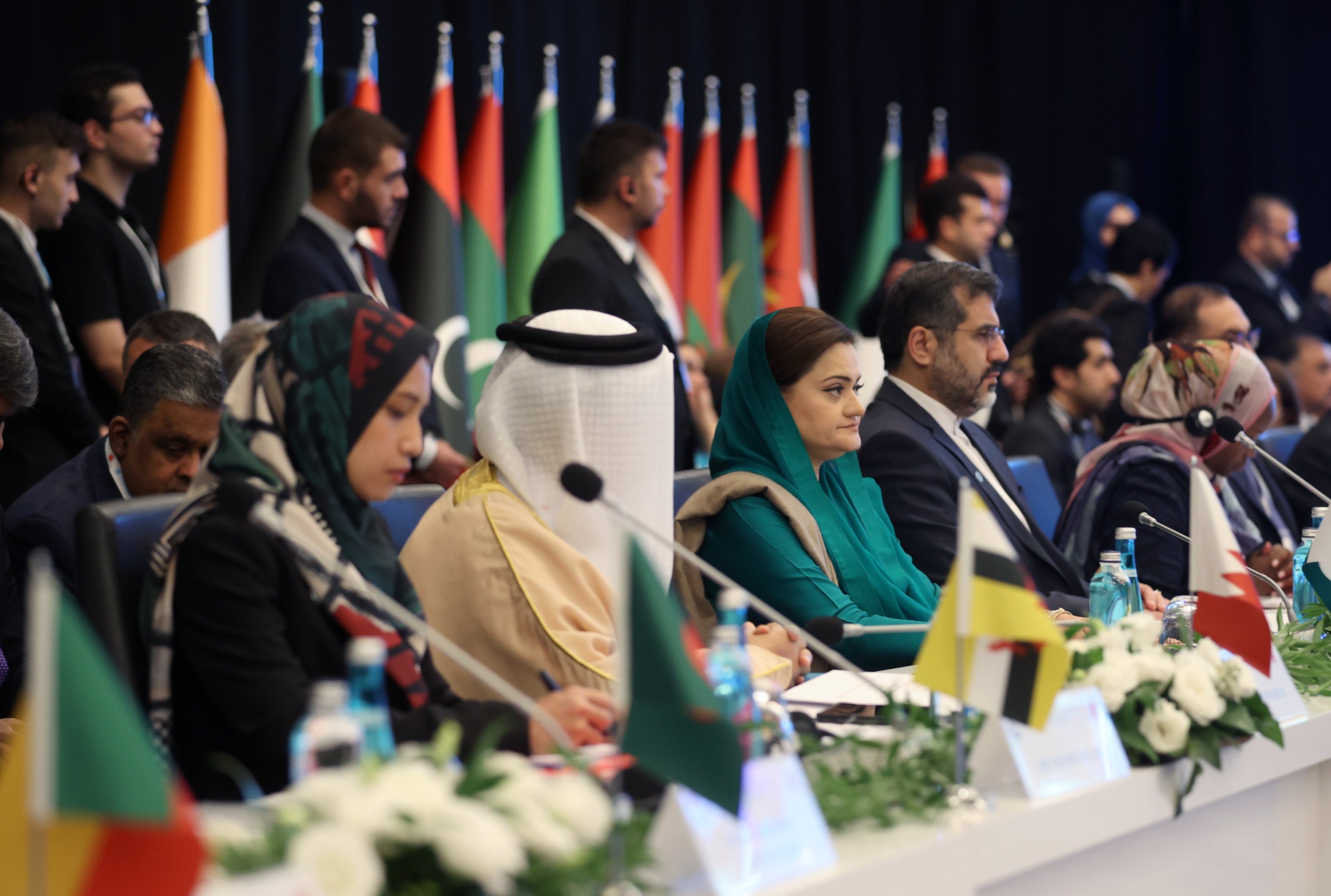
While international summits often struggle to escape the shadow of symbolic declarations, the Islamabad meeting emphasized a shift toward structural policy exchange. Governments are increasingly recognizing that barriers to female participation in the workforce directly stifle productivity and innovation, making empowerment a strategic necessity rather than a social policy alone. For host nation Pakistan, the event served as a deliberate pivot, showcasing the country’s capacity to facilitate high-level dialogue on development, climate resilience, and economic connectivity.
Scaling Policy Through Cooperation
No single state can navigate the complexities of digital transformation or healthcare reform in isolation. By providing a forum for sharing successful national models, the conference aimed to bridge the gap between abstract goals and measurable outcomes. The true test for the participating OIC members lies in the post-summit phase: whether these discussions translate into concrete technical assistance, research partnerships, and tangible investment in female entrepreneurship. Success will be defined by the implementation of these initiatives, moving the needle on inclusive growth in an era marked by geopolitical fragmentation. For Pakistan, the conference has successfully broadened its diplomatic footprint, positioning the country as a hub for constructive collaboration on issues that extend well beyond traditional regional security concerns.



Comments (0)
No comments yet. Be the first!