Medical staff identified the blockage using magnetic resonance cholangiopancreatography, which revealed dilated bile ducts and a mass potentially linked to the patient's long-term use of semaglutide. While surgical or endoscopic removal are standard interventions for such obstructions, doctors opted for a chemical dissolution approach. The practice of using cola to break down bezoars has gained traction in recent years, though the specific mechanism—whether acidity, carbonation, or another component—remains under investigation.
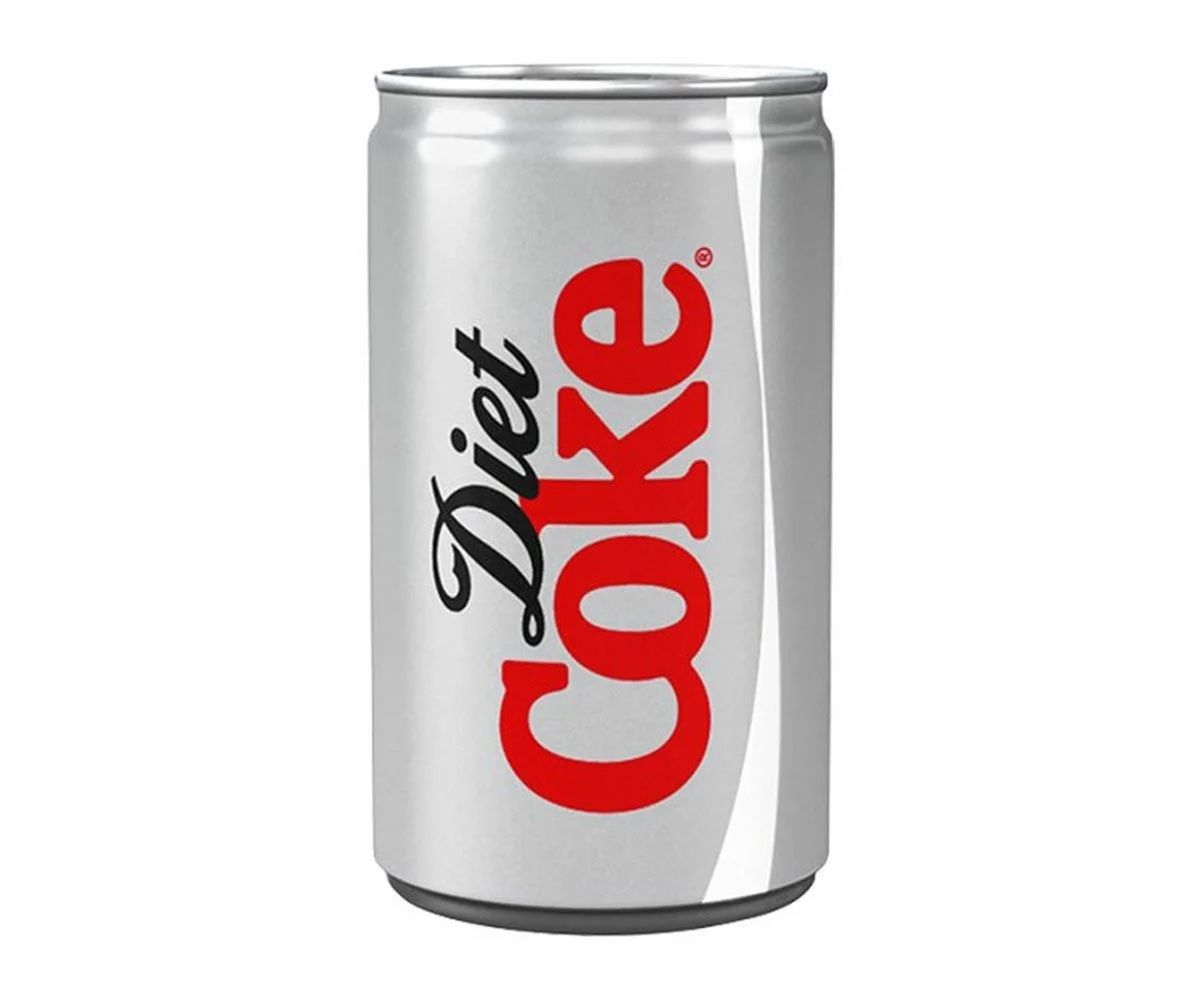
Because of the patient's history of Type 2 diabetes, physicians substituted regular soda with a diet version. They administered a reduced dose of 1.5 litres over 24 hours, rather than the standard three-litre regimen, to accommodate her aversion to carbonation. The treatment proved effective, with the woman reporting a distinct sensation in her abdomen followed by a rapid resolution of nausea and pain. She subsequently discontinued the weight-loss medication and returned to a normal diet following her discharge.




Comments (0)
No comments yet. Be the first!