The administration’s shift marks a departure from the earlier punitive fee structure that had drawn scrutiny from global shipping stakeholders. According to the President, the decision stems from productive negotiations with regional leadership, prioritizing long-term commercial alliances over immediate transit costs. By pivoting toward bilateral trade and investment agreements, the White House seeks to secure regional cooperation while bypassing the logistical and economic friction associated with the original tariff proposal.
Trump Pivots to Trade Deals in Strait of Hormuz Strategy
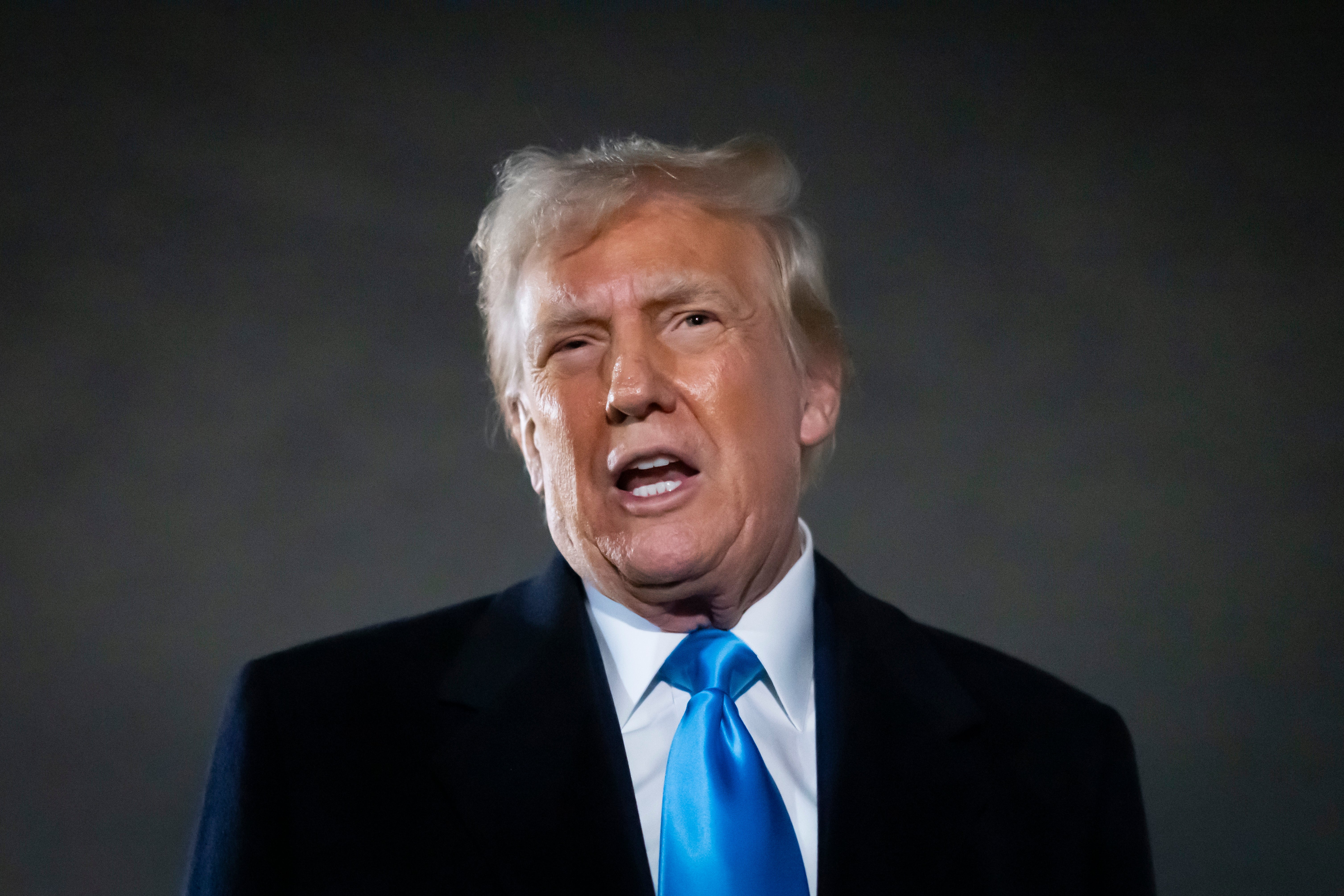
Donald Trump abandoned his proposed 20% maritime levy on vessels traversing the Strait of Hormuz on Tuesday, opting instead to pursue broader trade and investment pacts with Gulf nations. The policy reversal follows a series of high-level diplomatic discussions aimed at stabilizing regional maritime commerce through economic integration rather than direct taxation.
Read Also
 USA
USAEight Senate Battlegrounds Defining the US Midterms
October 27, 2026
 Science
Bangka Slow Loris Rediscovered After Nearly Nine Decades
October 27, 2026
 USA
USANew Mexico Hospital Network Crippled by Cyberattack
October 27, 2026
 Global
Localized Truce in Oleshky Struggles Against Wider Conflict
October 27, 2026
Comments (0)
No comments yet. Be the first!