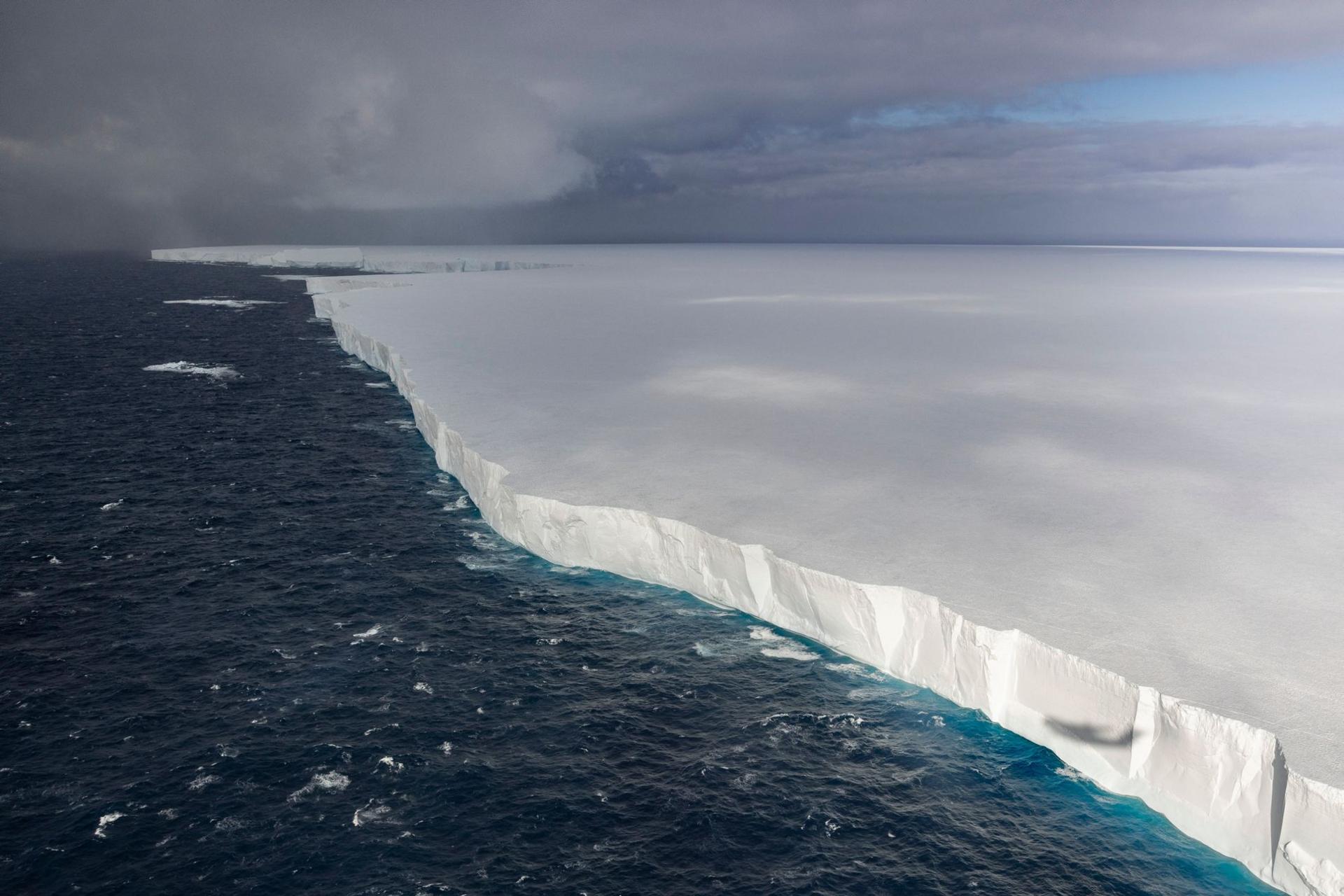
The iceberg’s history traces back to the mid-1970s, when the Soviet Union established the Druzhnaya 1 station near the Filchner Ice Shelf. In 1986, the station vanished, only for investigators to realize it had been swept away during a calving event that birthed A23. By 1991, the formation split, leaving A23a as a 2,000-square-mile titan grounded on the seafloor of the Weddell Sea. It remained trapped there for decades until it began to rotate in 2020, eventually entering a current that propelled it into the open ocean.
During its transit, the iceberg became a floating laboratory. In early 2025, the melting ice finally surrendered the remnants of the Druzhnaya 1 station—rusted barrels and storage tanks that had been encased in the glacier for 38 years. By June 2025, the iceberg had shrunk to less than 1,200 square miles, shedding its title as the world's largest. The United States National Ice Center confirmed in March 2026 that the fragment had reached a size too small to monitor, marking the conclusion of a rare, decades-long journey that provided scientists with unique insights into the life cycle of Antarctic ice.




Comments (0)
No comments yet. Be the first!