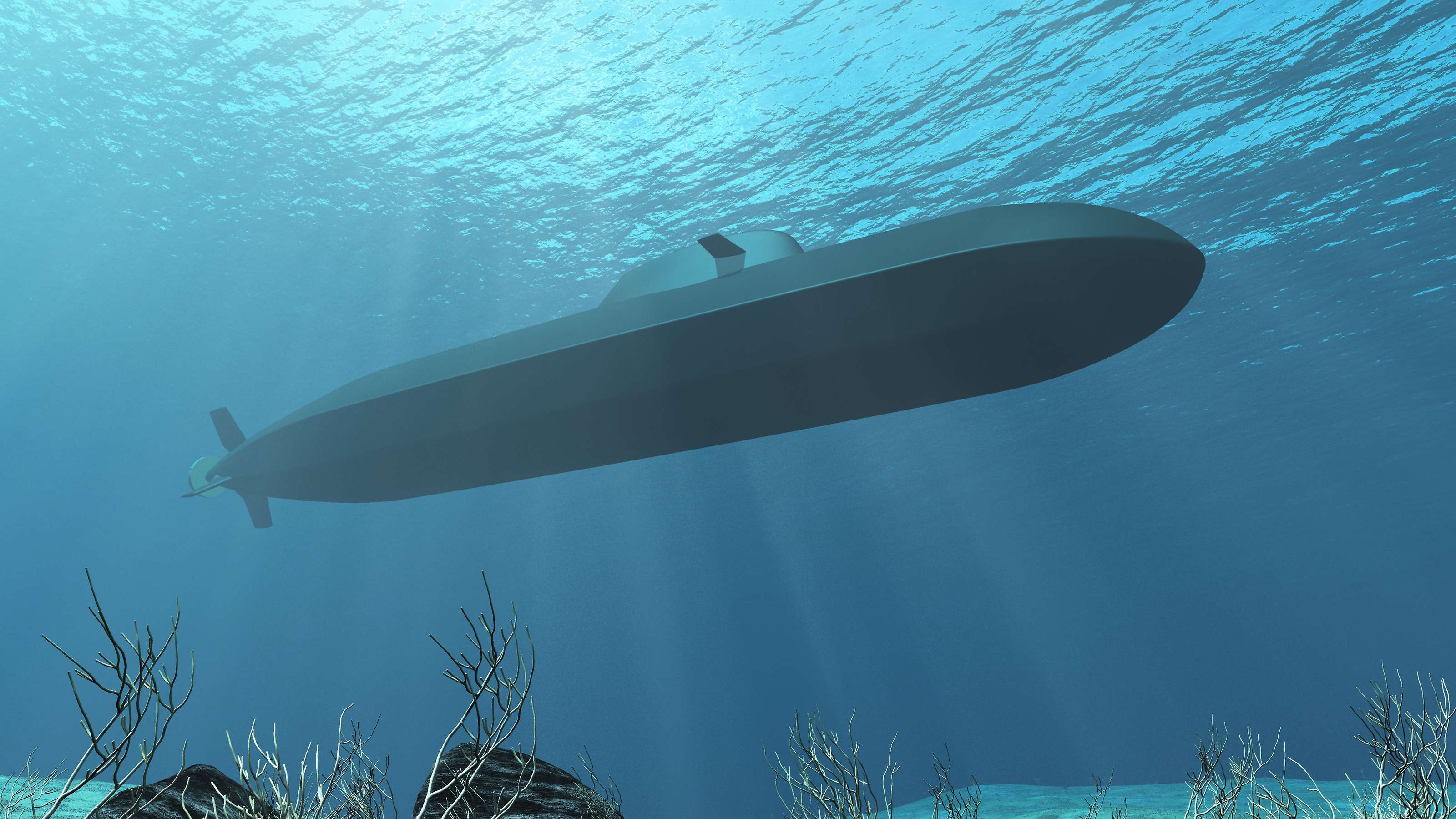
The Type 212CD is a vessel engineered for the shallow, frigid reaches of the Atlantic and Arctic, specifically designed to counter Russian undersea activity. While these submarines significantly bolster Canada’s NATO interoperability, they are ill-suited for the vast, deep-water demands of the Pacific. Unlike the ROK’s KSS-III Batch II, which features vertical launch systems for long-range cruise missiles and is purpose-built for regional power projection, the German-designed boats lack the sustained transit and payload capacity necessary to contest Chinese naval expansion in the South and East China Seas.
Tactical Realignment
This procurement creates a sharp disconnect between Canada's stated diplomatic goals and its physical military capacity. Operation HORIZON, Canada’s framework for promoting stability in the Indo-Pacific, relies on active maritime presence and anti-submarine warfare. By 2034, when the new fleet arrives, Canada will possess a force optimized for a European theater it has already fortified, rather than the Pacific theater where it claims to be a growing stakeholder. For the ROK, the rejection is both a financial and strategic blow; Hanwha Ocean’s stock fell over 20% following the announcement. The decision highlights a harsh reality for Seoul: the deep-rooted logistical and political integration of the NATO alliance remains a formidable barrier for non-member defense exporters seeking to penetrate North American markets.



Comments (0)
No comments yet. Be the first!