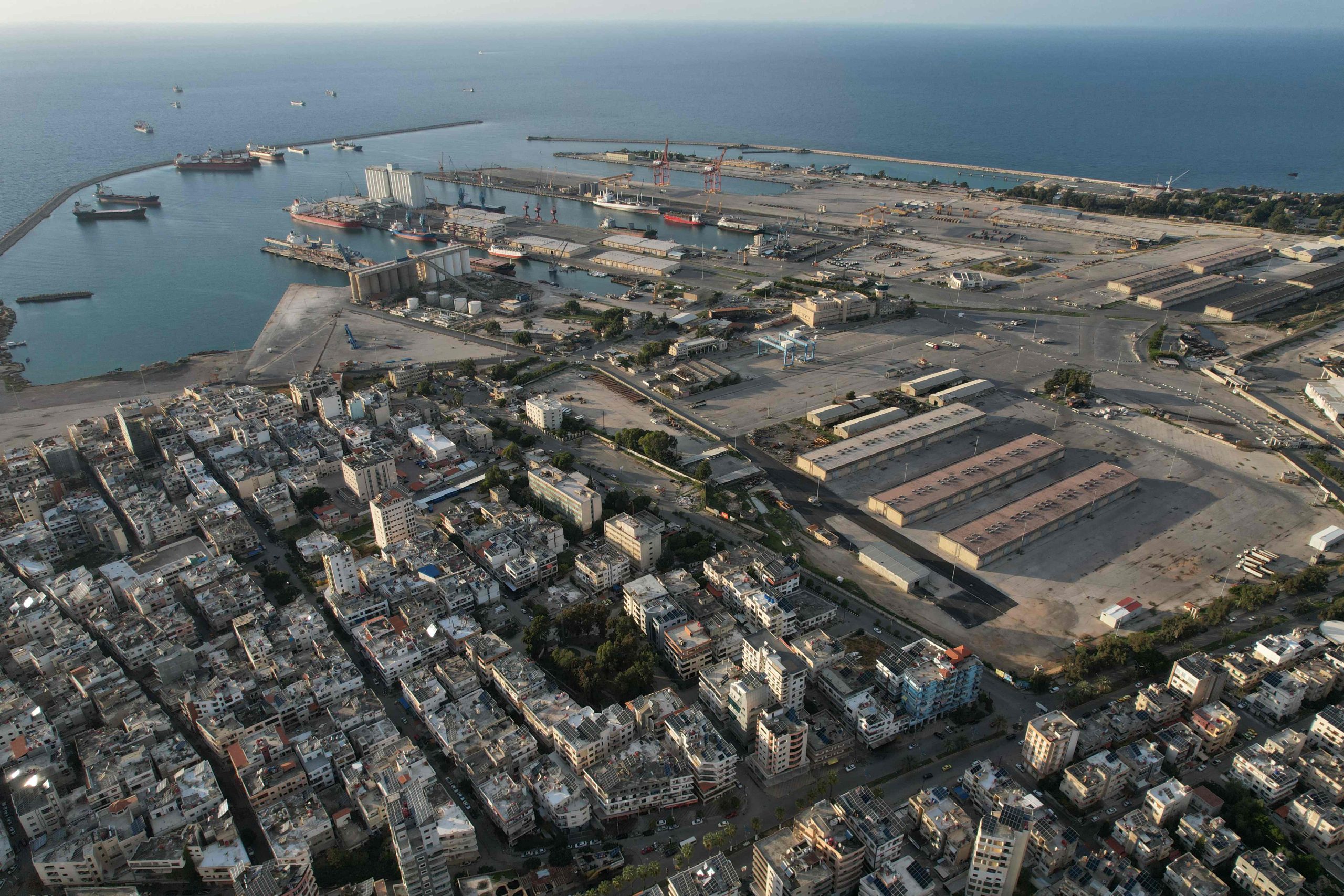
The project utilizes one of the two active berths at the facility, marking a calculated transition from purely military operations to a dual-use economic strategy. While representatives from Syria's General Authority for Ports and Customs have attempted to distance the state from the initiative, the Russian-Syrian Business Council remains committed to the venture. This infrastructure play serves as a primary mechanism for the Kremlin to maintain a tangible presence in the region following the 2024 collapse of the Bashar al-Assad regime.
Washington continues to track these developments with interest, seeking to redirect infrastructure contracts toward American firms while simultaneously pressuring Moscow to reduce its military capacity. The move highlights a broader trend: as traditional political alliances in the Middle East fracture, Russia is betting that direct control over trade arteries will secure its remaining geopolitical interests.

Comments (0)
No comments yet. Be the first!