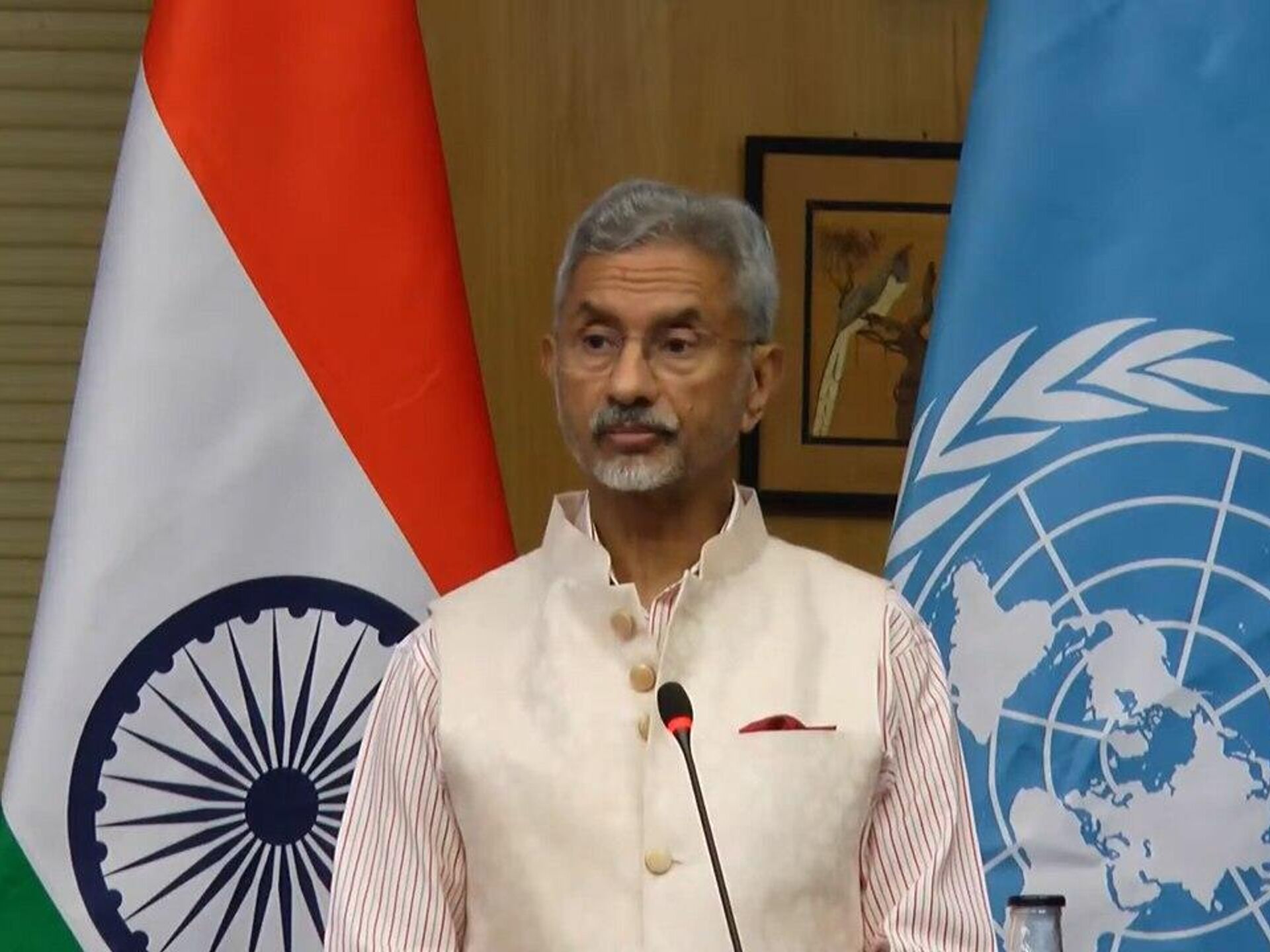
This mission marks a strategic push by New Delhi to reinforce its influence within the UN framework. While India aims for its ninth stint as a non-permanent member, the campaign serves a dual purpose: securing the seat and amplifying India’s demand for structural reforms to a Security Council established in the post-WWII era. Jaishankar has consistently argued that the current body lacks the representation necessary to address modern geopolitical realities, particularly regarding the voices of developing nations.
Securing the Asia-Pacific seat will not be a mere formality. Tajikistan has emerged as a rival contender with backing from the Organisation of Islamic Cooperation, turning the upcoming vote into a significant diplomatic contest. To prevail in the secret ballot, India must secure support from two-thirds of the General Assembly members. Beyond this specific term, New Delhi continues to leverage its status as the world’s most populous nation and a primary contributor to UN peacekeeping missions to advocate for a permanent seat in an expanded Security Council—a goal supported by the United States, France, the United Kingdom, and Russia, yet stalled by years of diplomatic gridlock.



Comments (0)
No comments yet. Be the first!