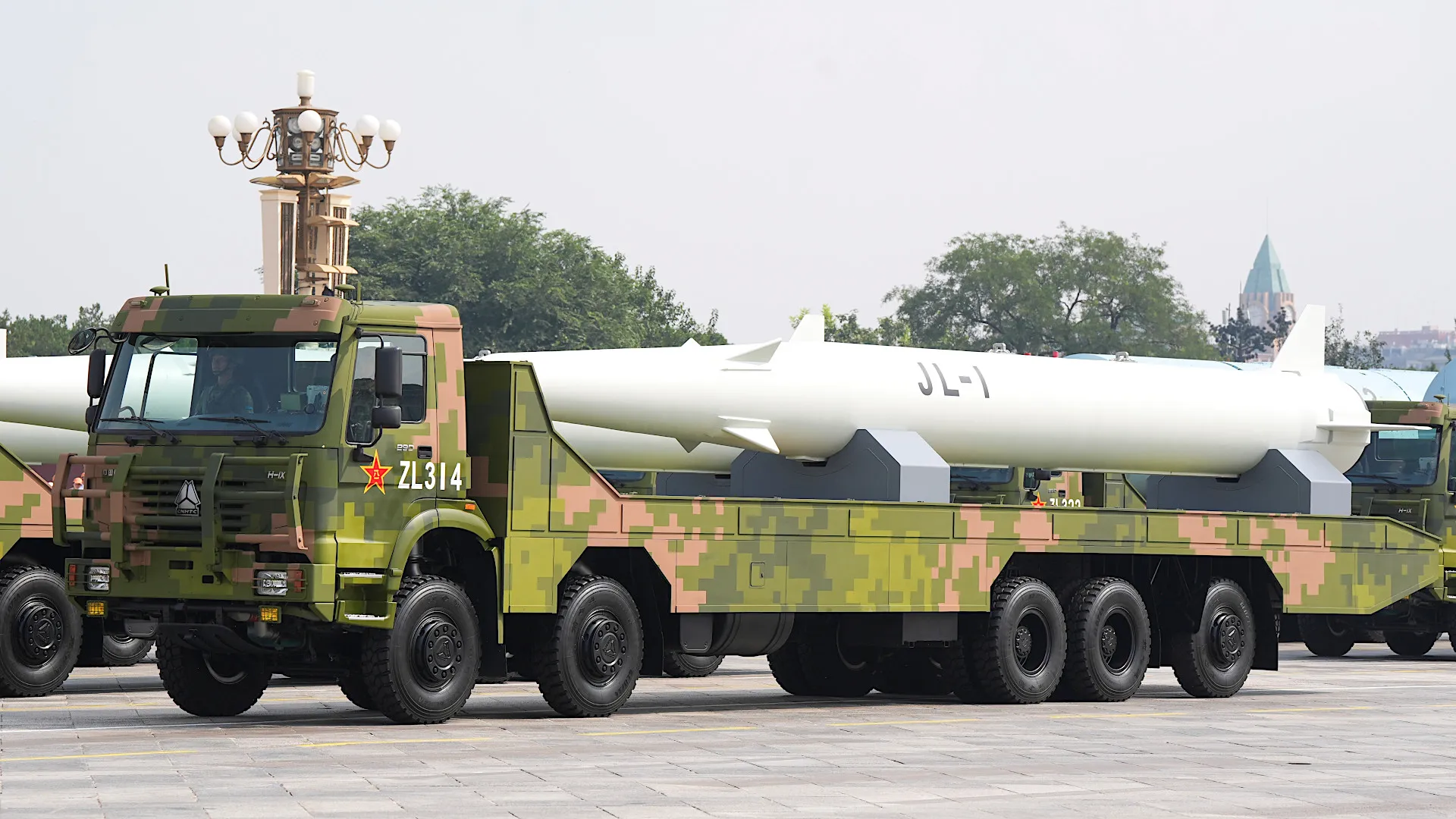
The launch, involving a Type-094 submarine, underscores the growing importance of the sea leg in China’s nuclear triad. While land-based weapons remain central to its defense, Beijing views stealthy, submarine-launched missiles as the ultimate insurance policy—a second-strike capability that ensures retaliation if land silos are neutralized. Analysts suggest the exercise aimed to demonstrate that China can effectively threaten regional hubs like Guam and Hawaii, even as it continues to refine its reach toward the continental United States.
Maintaining these assets requires navigating a dense web of foreign surveillance. The U.S. and its allies routinely deploy P-8 Poseidon aircraft and underwater sensor networks to track Chinese vessels as they depart from Hainan Island. Despite this scrutiny, the Pentagon reported that China initiated near-continuous deterrence patrols as early as 2022. Collin Koh, a security scholar at the S. Rajaratnam School of International Studies, notes that while technical challenges remain, the progress is undeniable. The transition to the upcoming, quieter submarine class will likely further complicate these tracking efforts.
Internal political dynamics add another layer to the development. A recent study by the Bulletin of the Atomic Scientists highlights that despite the modernization of the hardware, caution remains regarding the actual deployment of live warheads. Given the recent purge of high-ranking officials within the People’s Liberation Army’s rocket force, experts remain skeptical that Beijing would delegate control of nuclear armaments to the military under ordinary circumstances. For now, the test functions as a strategic signal: an attempt to deter external military pressure by proving the increasing reliability of China’s silent, deep-sea deterrent.


Comments (0)
No comments yet. Be the first!