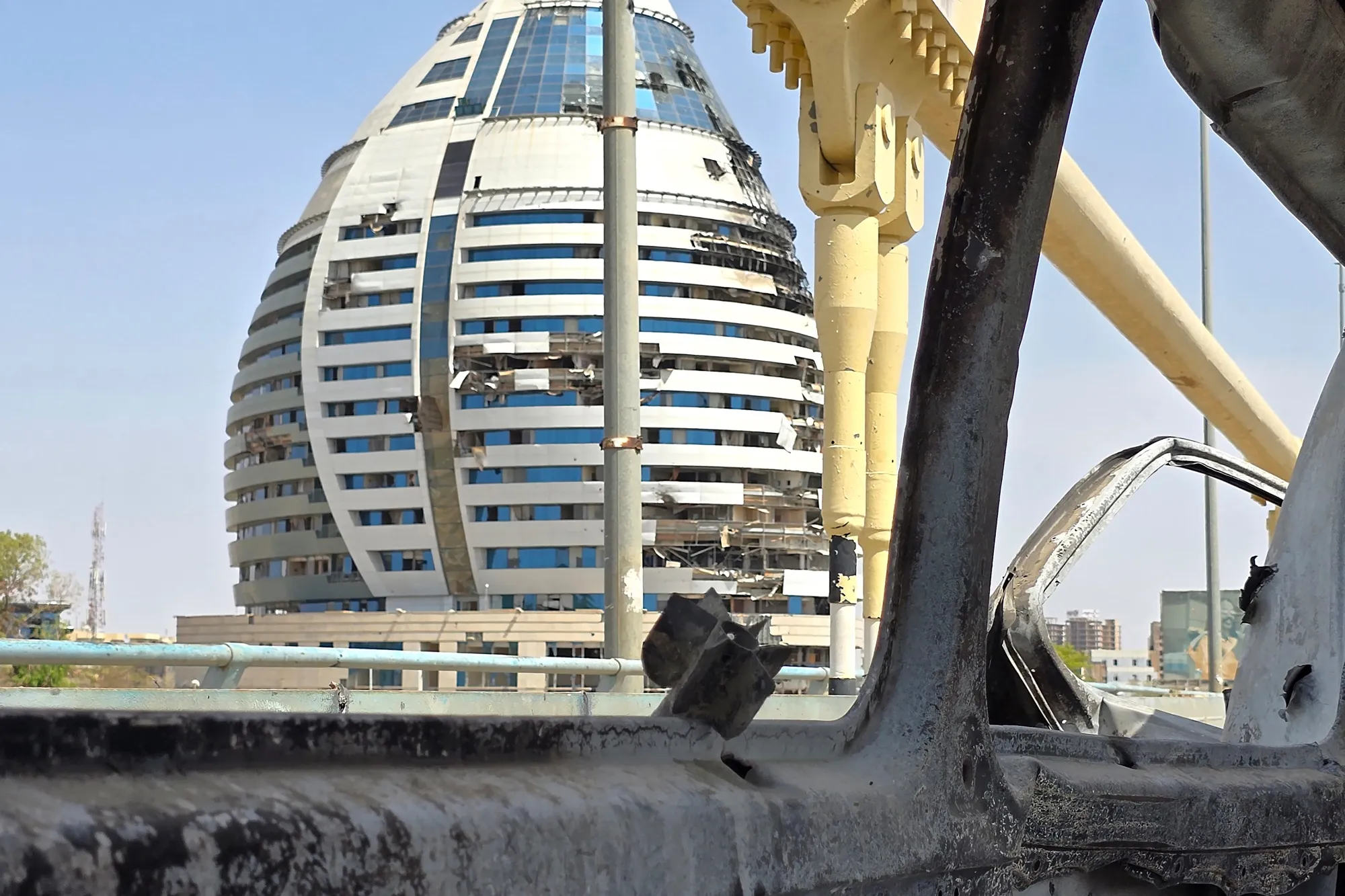
The government’s mandate for civil servants and students to resume operations in Khartoum clashes with the reality of a city still reeling from conflict. Although ministries were moved to Port Sudan during the war, authorities are now demanding a full return. For many, like schoolteacher Nisreen Altayeb, this homecoming is a desperate alternative to the tightening restrictions on refugees in Egypt. Upon arrival, these returnees face a landscape where power remains intermittent, infrastructure is shattered, and promised salaries remain unpaid.
Recovery efforts are uneven, concentrated primarily in Omdurman, while Khartoum and Bahri remain paralyzed. The Rapid Support Forces continue to target critical infrastructure, including power stations, leaving the capital operating at only one-third of its prewar electricity capacity. This instability is compounded by the government’s drive to collect taxes from small business owners in areas like Souq al-Arabi. Shopkeepers argue that without restored services, these financial demands are untenable, while officials maintain that state revenue is the only mechanism available to fund essential safety and sanitation efforts.

Comments (0)
No comments yet. Be the first!