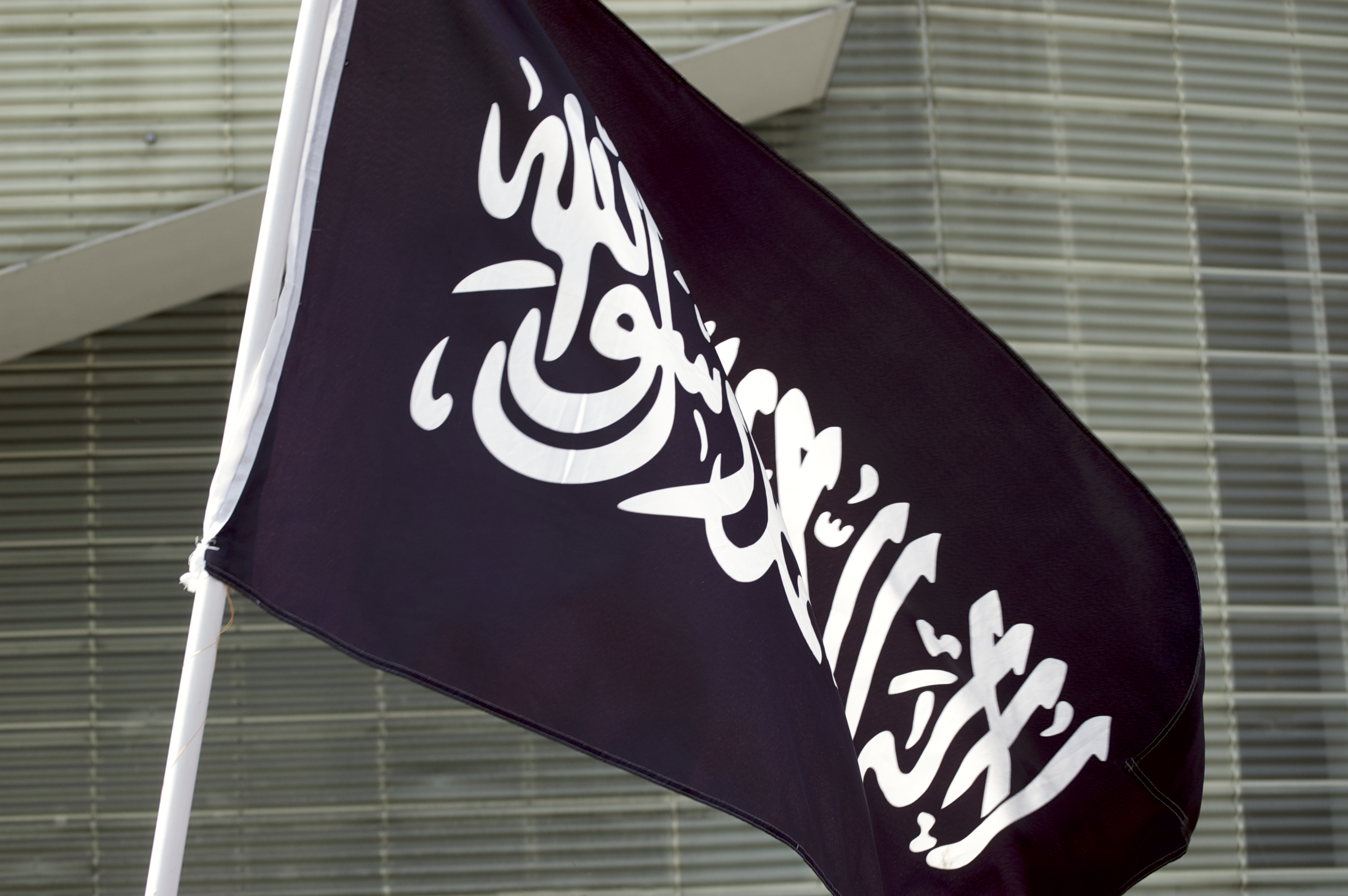
The group, which once governed millions across Iraq and Syria under a self-declared caliphate, has transitioned from a conventional territorial force into a fragmented, clandestine movement. Following the collapse of its heartlands between 2017 and the subsequent loss of its central leadership structure, the organization now operates through autonomous cells and decentralized courier networks. Intelligence reports indicate this shift allows the group to evade sustained military campaigns while maintaining a presence across the Middle East, Afghanistan, and increasingly, Africa.
Security officials report that the group is actively exploiting the political vacuum in Syria to target the administration of President Ahmed al-Sharaa. Beyond the recent Damascus bombing, the group has been linked to multiple assassination attempts against senior cabinet ministers. Global operations have also intensified, with 86% of the group's activity occurring in Africa during the first quarter of 2026. From the Khorasan branch’s reach into Russia to lone-wolf attacks in Australia, the group’s reliance on inspiring decentralized violence remains a primary challenge for international intelligence agencies.


Comments (0)
No comments yet. Be the first!