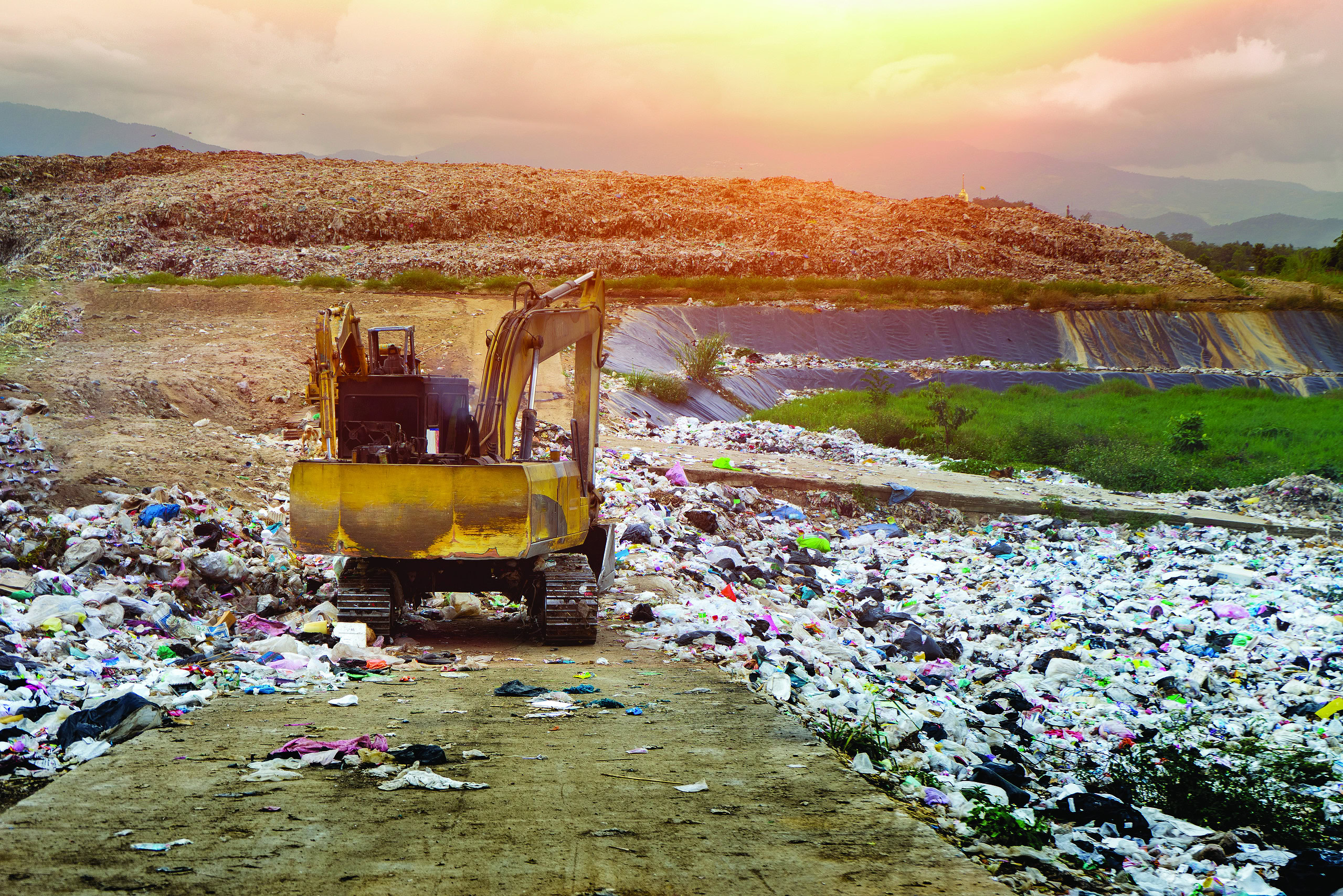
The report, which synthesizes data from 217 countries and 262 cities, notes that the world produced roughly 2.6 billion tonnes of municipal waste in 2022. During the launch at the Tokyo Development Learning Center on 29 May 2026, Kremena Ionkova, the bank's Global Lead for Solid Waste Management, emphasized that expanding collection services and building financial stability remain the primary hurdles for developing regions.
Experts at the event cautioned against viewing advanced technologies, such as Waste-to-Energy (WtE), as quick-fix solutions. Instead, they argued that WtE must function as a component of a broader strategy, supported by stable institutions and long-term funding. Japan’s Ministry of the Environment shared its own history of circular economy reforms, pointing to three decades of success rooted in clear legal frameworks and defined responsibilities for industry and local communities. The Japan International Cooperation Agency further demonstrated how these locally tailored models are currently being adapted to address the specific financial and institutional constraints found in African cities.




Comments (0)
No comments yet. Be the first!