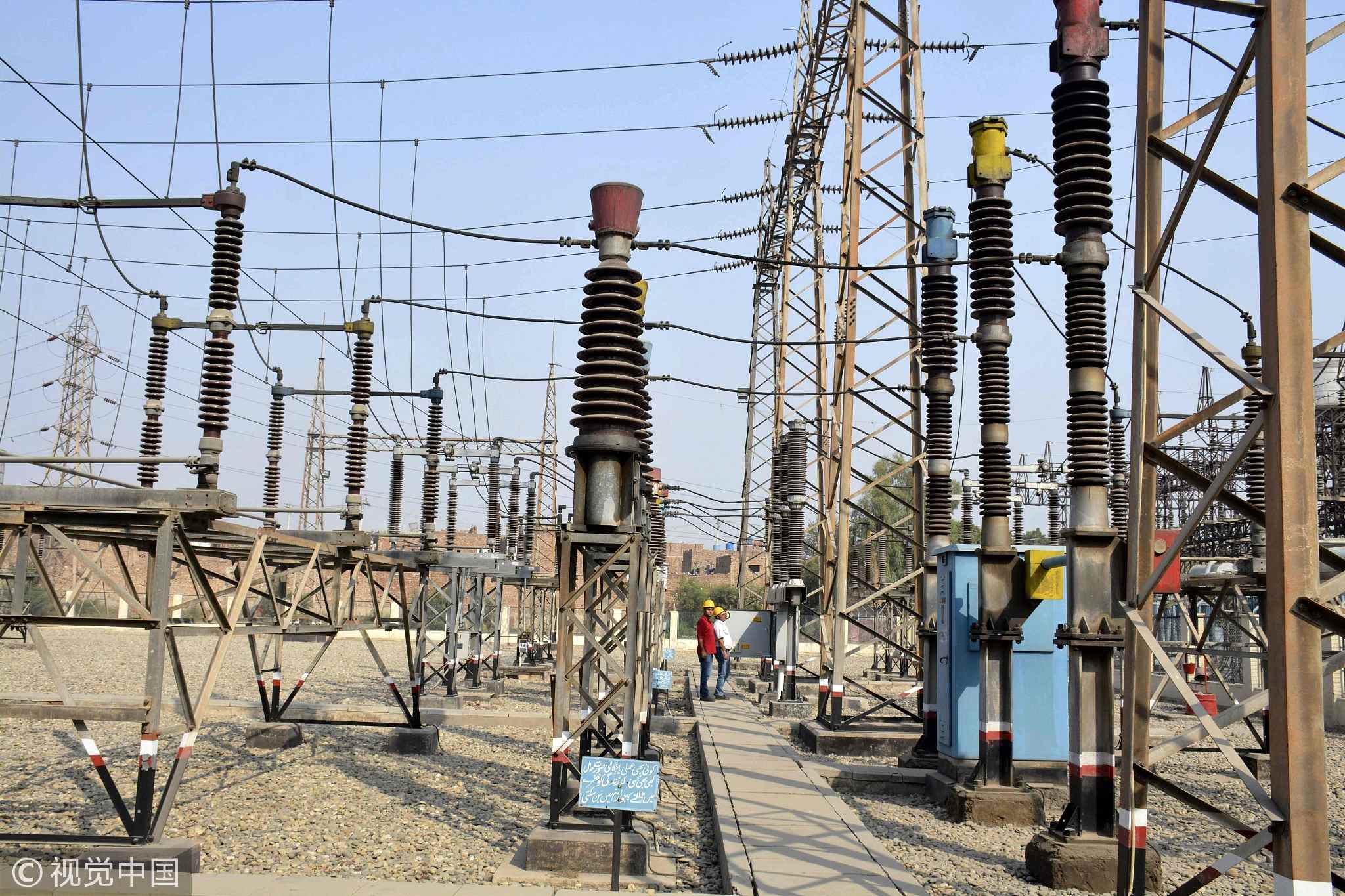
The project, known as BEST-PAK, targets critical bottlenecks by installing advanced stabilization technology at key nodes. By deploying Static Synchronous Compensators at 500-kilovolt substations alongside new capacitor banks, the grid will gain the capacity to absorb 640 megawatts of wind energy currently trapped in the south. This upgrade clears the path for a total of 1,840 MW of wind power to feed into the national system, while facilitating the integration of nearly 500 MW from forthcoming private sector projects.
Beyond hardware, the funding supports a structural overhaul of the National Transmission & Dispatch Company. These reforms aim to replace legacy management with specialized organizations designed to improve accountability and attract private capital. With a projected reduction of 20.8 million tonnes of carbon dioxide over 25 years, the initiative aligns with Pakistan's goal of sourcing 60 percent of its electricity from renewables by 2030.
Climate resilience remains a central pillar of the deployment. Given the nation's history of extreme heat and flooding, engineers will install equipment on elevated platforms capable of functioning in temperatures reaching 55°C. Waleed Saleh Alsuraih, the World Bank’s lead energy specialist, noted that these design standards are essential to ensure the network can withstand the severe weather patterns that frequently threaten local energy security.




Comments (0)
No comments yet. Be the first!