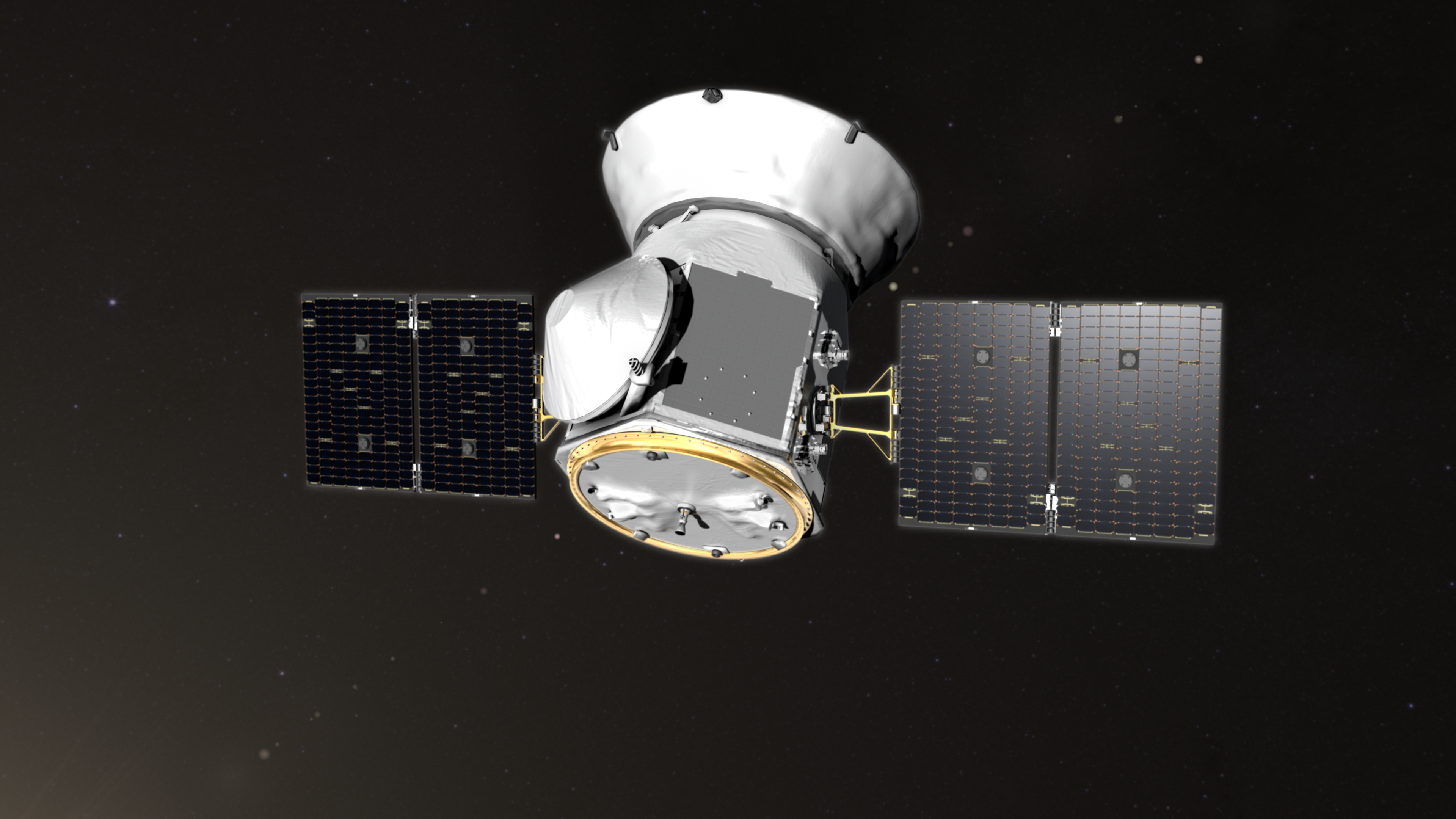
The planet, designated Gaia23bra b, was first signaled in 2023 when the European Space Agency’s Gaia telescope observed a sudden spike in brightness from a distant orange dwarf star. This phenomenon occurs when a foreground object passes directly in front of a background star, warping space-time to magnify the light. While TESS was engineered to hunt for planets by observing the periodic dimming of stars at close range, researchers digging through archived logs discovered the satellite had caught the same gravitational distortion.
Diana Dragomir, a professor at the University of New Mexico and study co-author, noted that this detection method was never part of the mission’s design. Gaia23bra b possesses 1.6 times the mass of Jupiter, placing it far outside the search parameters for typical TESS findings. The discovery, published July 1 in The Astrophysical Journal Letters, suggests that vast numbers of similar microlensing planets may remain buried in existing datasets, effectively expanding the satellite's reach from its usual 150-light-year survey zone to the far corners of the galaxy.




Comments (0)
No comments yet. Be the first!