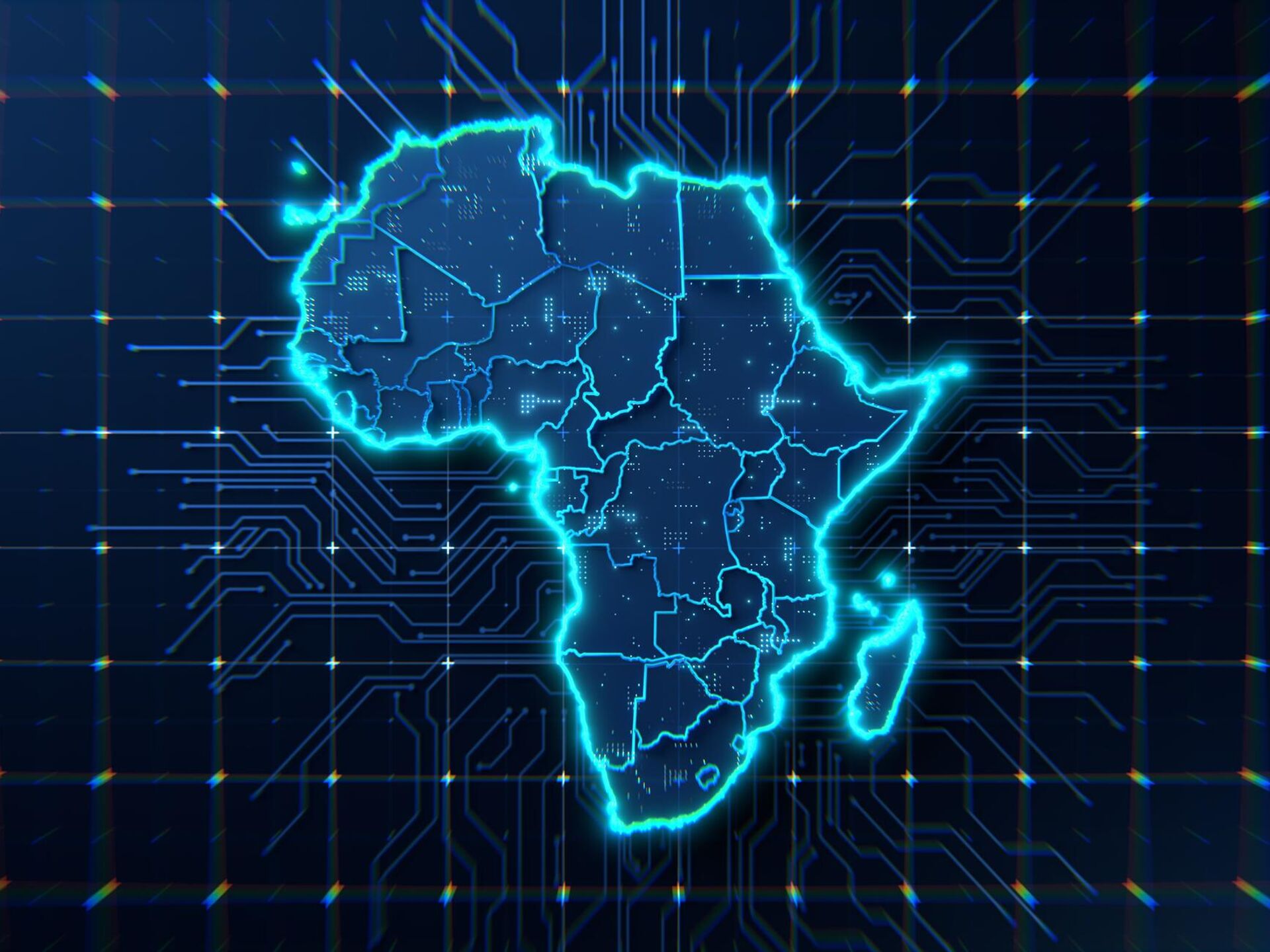
The collaboration hinges on a shared commitment to structural reform, moving away from traditional aid toward scalable, investment-ready projects. The African Development Bank’s Abidjan Consensus provides the technical roadmap, while Germany’s Shaping the Future Together Globally strategy offers the necessary private-sector engagement tools. This dual approach is designed to strengthen local value chains and reinforce multilateral financial systems.
Energy remains the primary testing ground for this alignment. Germany is a key backer of Mission 300, a massive undertaking led by the AfDB and the World Bank to electrify 300 million people by 2030. Financial commitments reflect this priority: Germany has already funneled €234 million into the Sustainable Energy Fund for Africa and pledged €4 billion toward regional energy infrastructure. Furthermore, the partnership bolsters the Alliance for Green Infrastructure in Africa, ensuring that energy expansion coincides with the continent’s transition to cleaner power.
Beyond infrastructure, the two entities are doubling down on market reform. Through the Compact with Africa, the AfDB has funneled over $14 billion into participating nations since 2020, leveraging partial credit guarantees to de-risk private capital. This deep cooperation builds on a 40-year history; Germany has been a member of the Bank since 1983 and currently stands as the second-largest contributor to the African Development Fund’s seventeenth replenishment, with a pledge of €607.572 million.


/nginx/o/2026/03/09/17500383t1he8d3.jpg)
Comments (0)
No comments yet. Be the first!