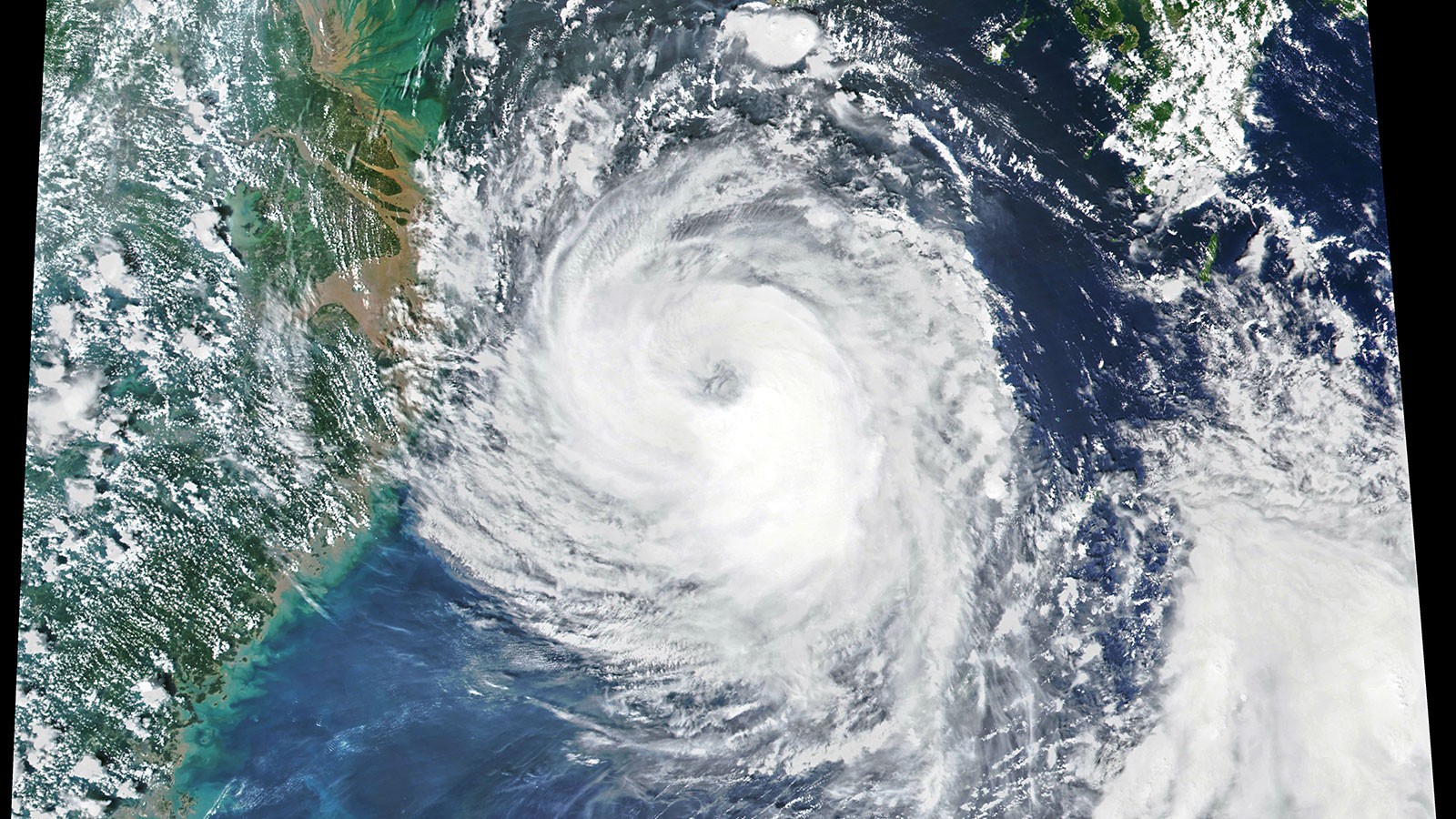
Authorities across Taiwan and China are scrambling to fortify coastal defenses as the storm tracks toward a projected landfall in Fujian province this Saturday. In the Taiwanese port of Suao, fishing fleets have sought emergency shelter while residents secure homes with sandbags. Local farmers are racing to harvest crops before the outer bands bring torrential rains and destructive winds to the island, which has not seen a storm of this physical scale since 1987.
The timing of Bavi’s arrival exacerbates an already dire situation in China’s Guangxi region, where search and rescue operations for Typhoon Maysak victims are still ongoing. With at least 39 confirmed dead and nine missing from the previous storm, the added pressure of Bavi threatens to overwhelm recovery infrastructure. Meanwhile, Japan’s Okinawa Prefecture is bracing for immediate impacts, forcing airlines to ground dozens of flights and leaving thousands of passengers stranded.
Climate researchers point to rising sea temperatures and increased atmospheric moisture as primary drivers for the intensifying storm cycle in East Asia. Imperial College London researcher Xiangbo Feng noted that Bavi’s extended path over warm Pacific waters has provided a significant energy boost, suggesting that even minor shifts in the storm’s trajectory could result in catastrophic damage to coastal population centers and vital manufacturing hubs.



Comments (0)
No comments yet. Be the first!