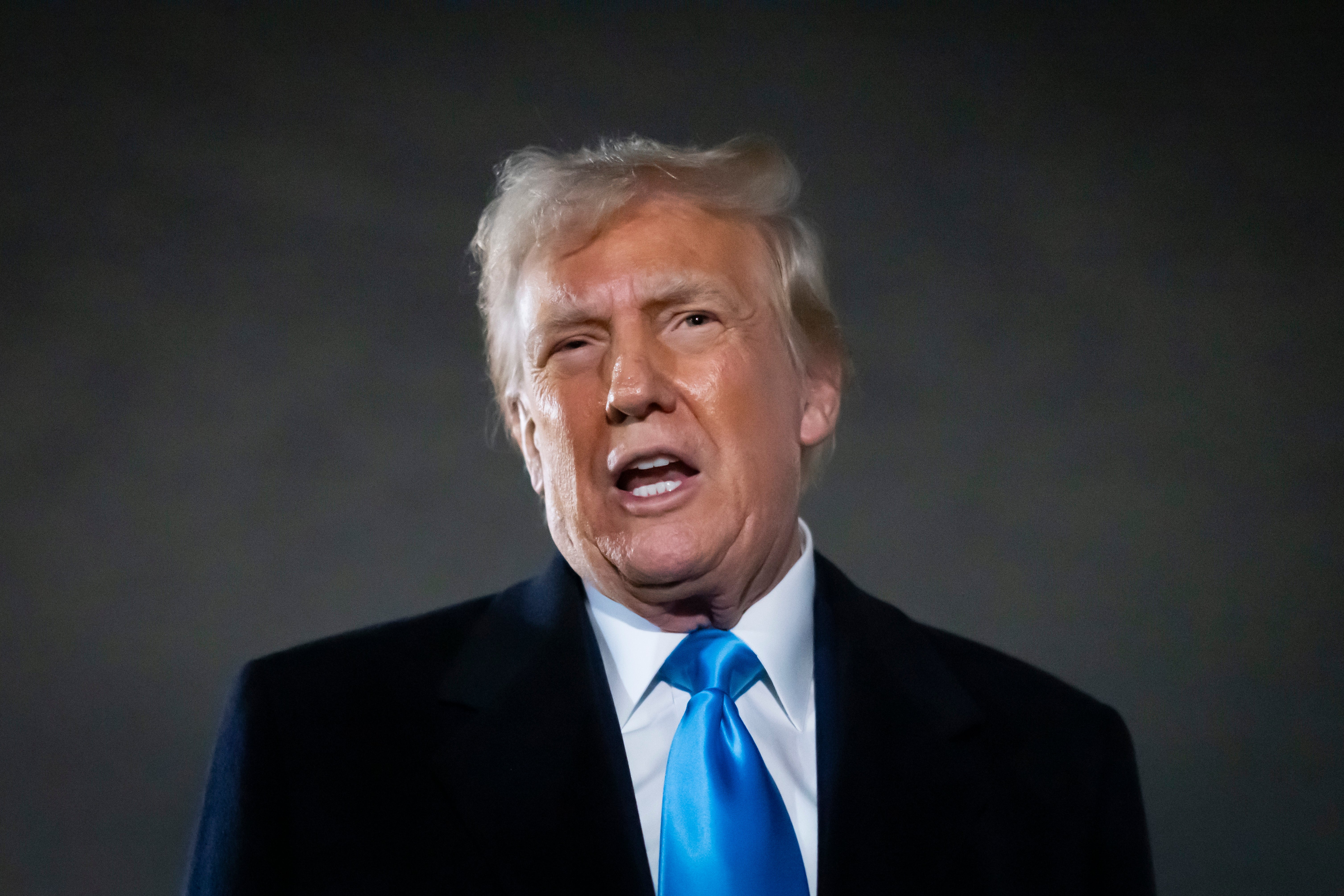
The US military campaign targeted key infrastructure across Iran’s southern coast, hitting Bushehr—home to a major nuclear facility—along with port cities including Chabahar, Konarak, Bandar Abbas, and Sirik. While the Pentagon maintains a posture of overwhelming force, Kuwait’s military reported active interception of incoming drones and missiles, underscoring the widening geographic scope of the hostilities. Oil markets reacted sharply to the volatility, with prices climbing eight percent as the interim ceasefire agreement, which had briefly stabilized the region, disintegrated.
Trump dismissed the possibility of a diplomatic breakthrough, telling reporters aboard Air Force One that he doubts Iran’s willingness to honor any future commitments. He signaled a readiness to strike civilian infrastructure, including power and desalination plants, and threatened to seize the oil-production hub of Kharg Island. Tehran responded with categorical defiance. Deputy Foreign Minister Kazem Gharibabadi labeled the American rhetoric an admission of policy failure, while Parliamentary Speaker Mohammad Bagher Qalibaf declared that the era of international extortion has reached its end. The military exchange coincides with the funeral of former supreme leader Ali Khamenei, further straining a region already grappling with the fallout of the war that ignited in late February.




Comments (0)
No comments yet. Be the first!