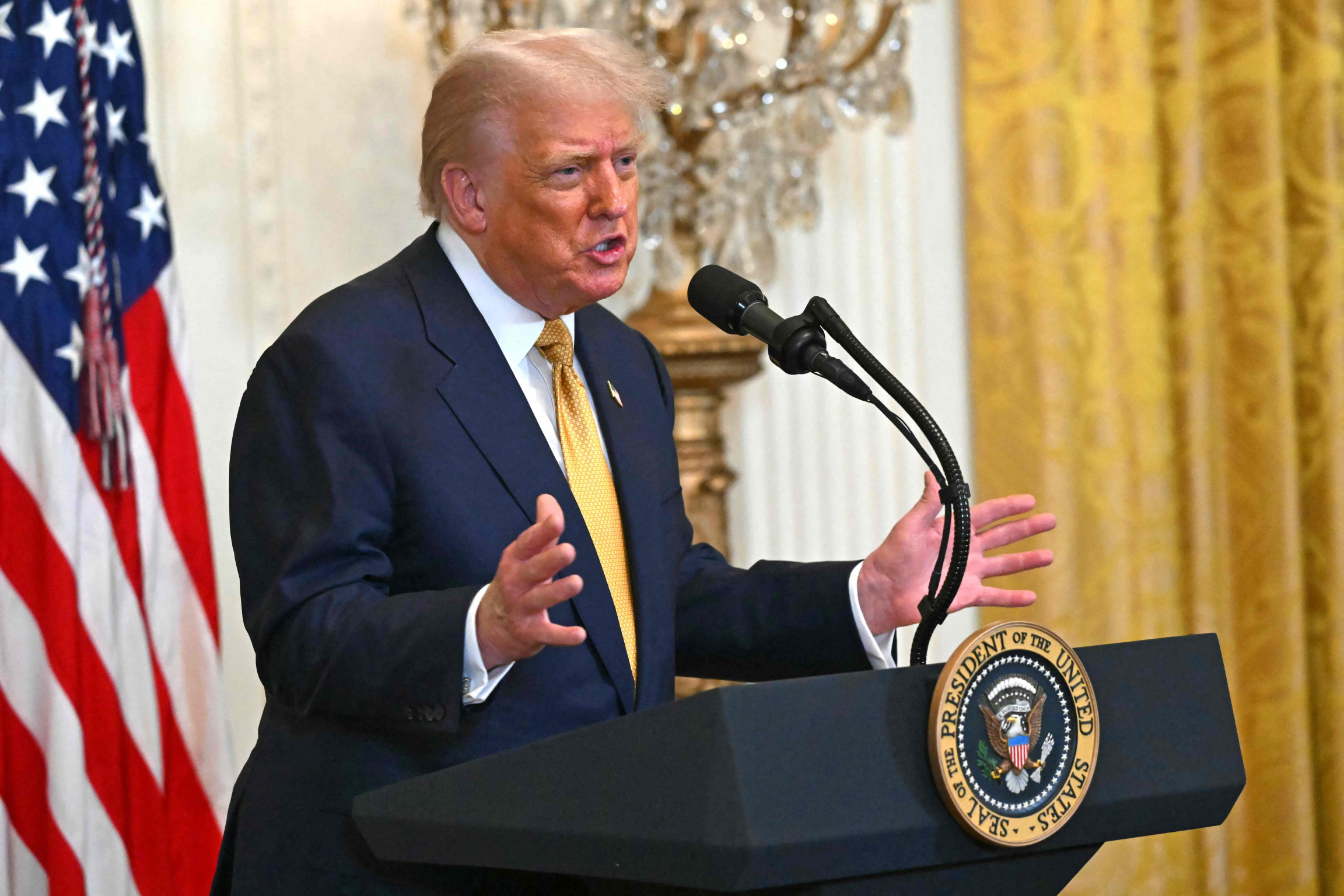
The collapse of the agreement follows months of friction that began with U.S.-Israeli airstrikes in February. Trump expressed deep skepticism regarding the utility of further diplomacy, publicly dismissing the value of engaging with Iranian leadership. While he stopped short of declaring full-scale war, the administration’s response to the recent regional attacks has been swift: the U.S. military confirmed strikes against more than 60 small boats linked to the Iranian Revolutionary Guards.
Iran’s military command maintains that its actions are a necessary defense against U.S. interference and a direct response to the revocation of oil export licenses. Tehran claims these maritime maneuvers serve as vital leverage in negotiations. Meanwhile, the geopolitical volatility has sent shockwaves through global markets, with Brent crude surging to $78.48 a barrel and bond markets bracing for renewed inflation risks. NATO leadership has voiced support for the U.S. posture, characterizing the strikes as a defensive necessity, even as European officials warn that the cycle of retaliation threatens to unravel any remaining path to stability.


Comments (0)
No comments yet. Be the first!