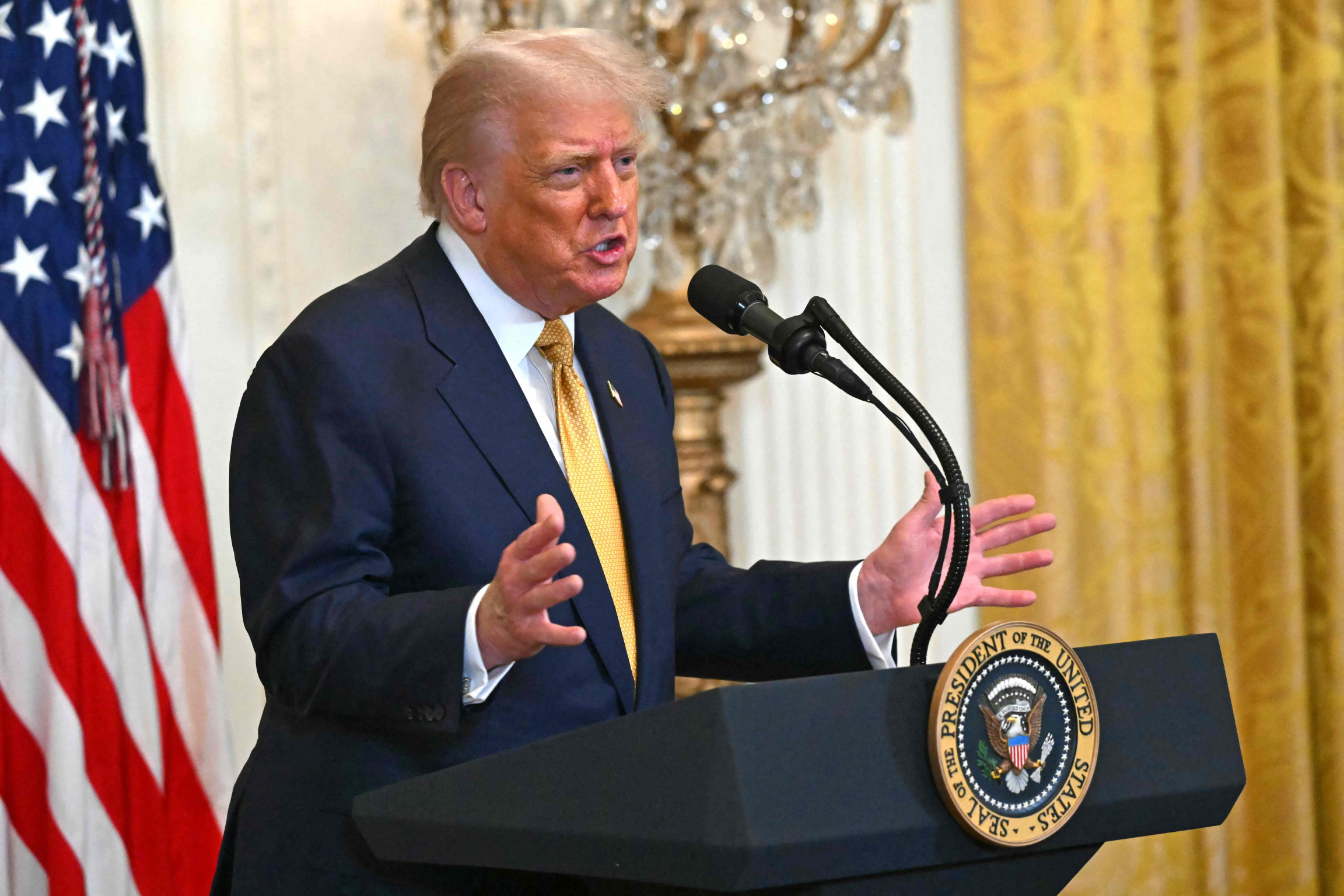
For decades, the U.S. Navy maintained the Strait of Hormuz as a neutral corridor, shielding global commerce from regional volatility without charging the vessels that passed through. This "comforting" protection relied on the silence surrounding its costs; the guarantor absorbed the expense, and in return, the order remained stable. By proposing a reimbursement scheme, the administration has pivoted toward a transactional model, effectively rebranding naval presence as a billable commodity. This shift mirrors the sociological observation that protection often functions as a form of organized crime, where the distinction between a protector and a racketeer lies solely in the authority to define the legitimacy of the price.
Legal obstacles remain significant, as international law prohibits tolls on straits used for navigation. However, the move to classify these charges as "maritime service fees" provides a convenient loophole under Article 26 of the law of the sea. By adopting this language, both Washington and Tehran are attempting to legitimize their claims while avoiding the forbidden label of a toll. Ultimately, this reflects a broader shift in U.S. strategy, moving from burden-sharing to burden-shifting. The doctrine of free navigation is increasingly being redefined as a service for which the protected must pay, signaling the end of an era where global security was treated as an unconditional American commitment.




Comments (0)
No comments yet. Be the first!