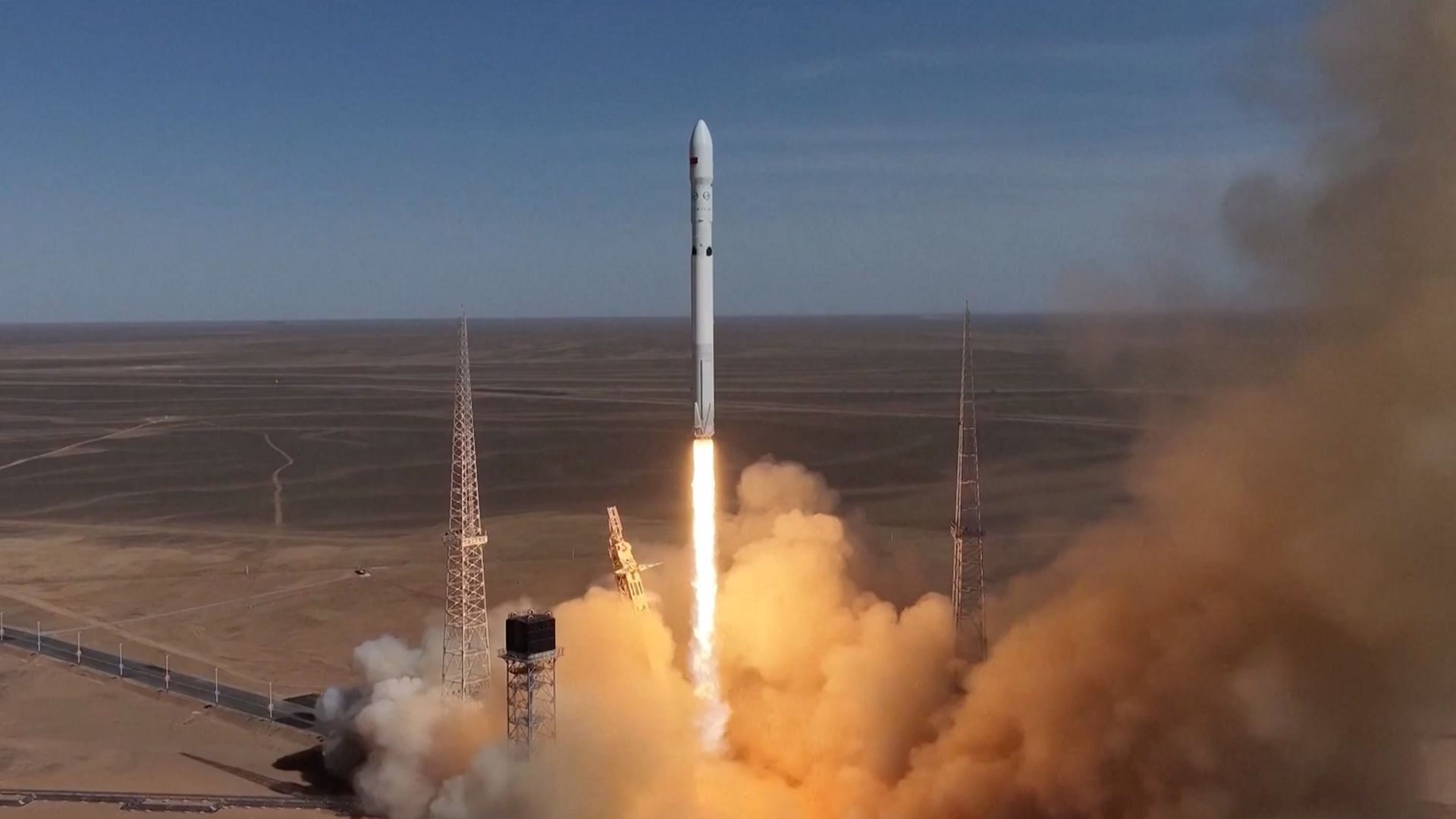
The test, which saw a missile carrying a dummy warhead land in the South Pacific, marks the first time China has publicly acknowledged launching such a weapon from a sea-based platform. Military analysts suggest this development highlights a pivot toward a more survivable nuclear deterrent, reducing Beijing’s reliance on land-based systems and granting its navy the ability to target the continental United States from protected waters. The Pentagon currently estimates China holds 600 nuclear warheads, a figure projected to climb to 1,000 by 2030.
Washington officials dismissed Beijing’s claim that the exercise was a routine training event, accusing the Chinese government of opaque military expansion. US State Department spokesperson Tommy Pigott characterized the buildup as a direct contradiction to global non-proliferation efforts. Meanwhile, the reaction from the Indo-Pacific was pointedly sharp. The Philippines condemned the act as a calculated provocation, while Taiwan’s National Security Council secretary-general Joseph Wu labeled the action a display of regional bullying. Even nations like New Zealand and the Solomon Islands lodged protests, noting the missile’s trajectory through the South Pacific Nuclear Free Zone. Despite the outcry, Moscow defended the launch, with Kremlin spokesperson Dmitry Peskov affirming it as China’s sovereign right.


Comments (0)
No comments yet. Be the first!