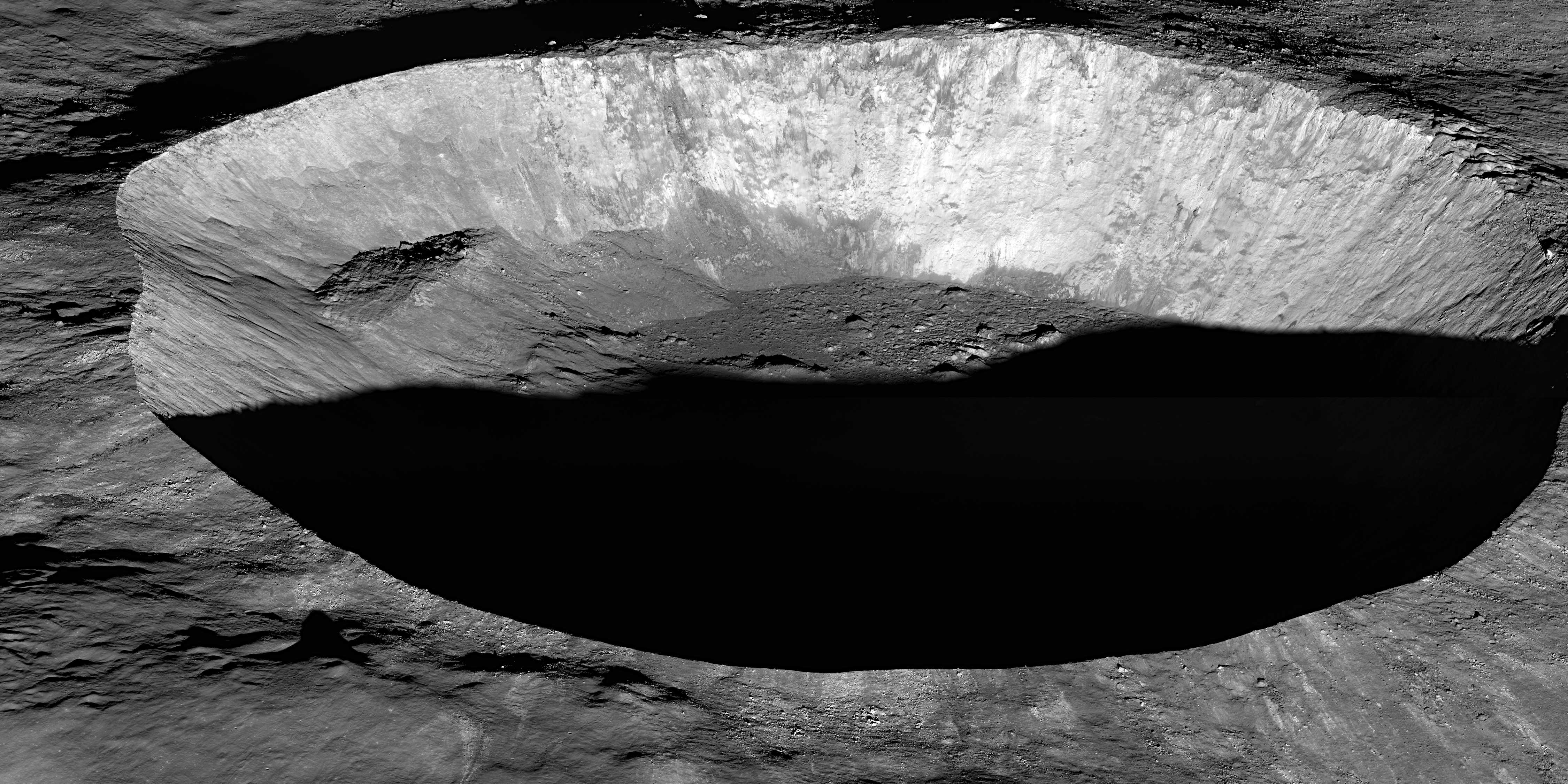
Launched on May 29, 2025, the mission marks a significant technical milestone in deep-space exploration. Kamo'oalewa is not a true moon but a rare quasi-satellite, gravitationally tethered to Earth while it orbits the Sun. Measuring between 40 and 100 meters across, this elusive object is one of the smallest space rocks ever targeted for a sample-return mission.
Physicist Rongqiao Zhang of the Lunar Exploration and Space Engineering Center noted that the asteroid's stable orbital distance, ranging from 0.1 to 0.3 astronomical units, offers ideal conditions for tracking and communication. Scientists suspect the asteroid may be a lunar fragment ejected during an ancient impact. By analyzing rock samples scheduled for return to Earth, researchers intend to test this origin theory and gain insight into the formation of quasi-satellites, of which only seven are currently known to exist.



Comments (0)
No comments yet. Be the first!