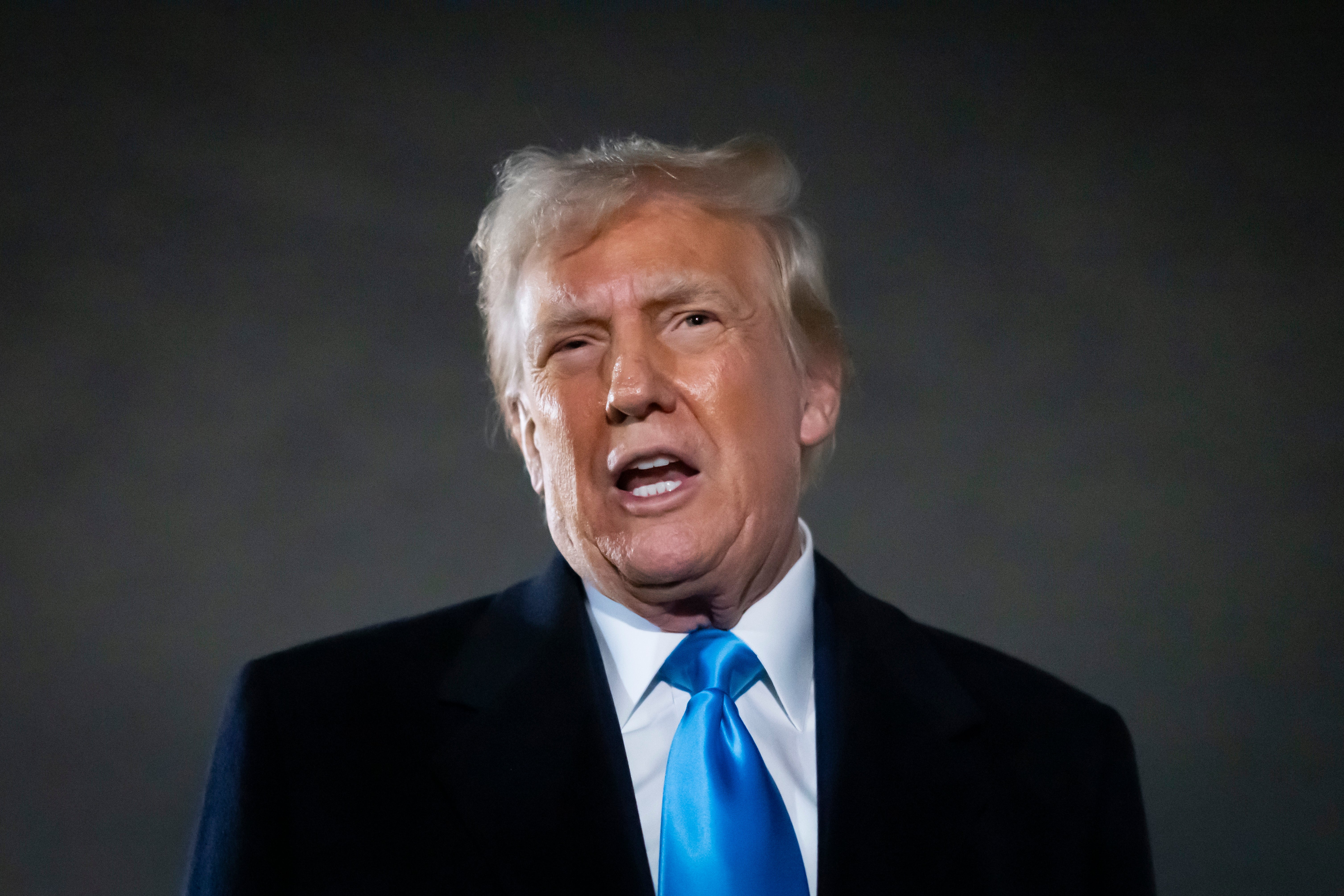
The scale of the investment reflects a strategic pivot forced by the 2022 invasion of Ukraine and years of pressure from Washington. Dutch Defense Minister Dilan Yeşilgöz confirmed that the Netherlands will unveil projects totaling over 3 billion euros, ranging from joint air defense initiatives with Belgium to naval collaborations with Britain. Beyond these bilateral pacts, the alliance is moving to modernize its surveillance capabilities by replacing legacy U.S.-built AWACS aircraft with Sweden’s advanced GlobalEye system. Canada also signaled its commitment to the collective effort by selecting Germany’s TKMS to construct a fleet of up to 12 submarines.
While these hardware announcements serve as a tangible answer to Trump’s critique of European military dependency, the summit agenda remains crowded with geopolitical friction. NATO Secretary General Mark Rutte has publicly credited Trump’s influence for the recent uptick in defense spending, yet the alliance must still navigate internal divisions over the conflict in Ukraine and the broader scope of U.S. military commitments in Europe. For Turkey, the summit offers a high-stakes diplomatic opening: President Recep Tayyip Erdoğan is expected to press for a return to the F-35 fighter jet program, contingent on mending fences with Washington after the 2019 S-400 missile crisis. With 70 billion euros in aid to Kyiv slated for renewal, the alliance is attempting to project a unified front while balancing the demands of its most powerful member against the reality of a volatile regional security landscape.

Comments (0)
No comments yet. Be the first!