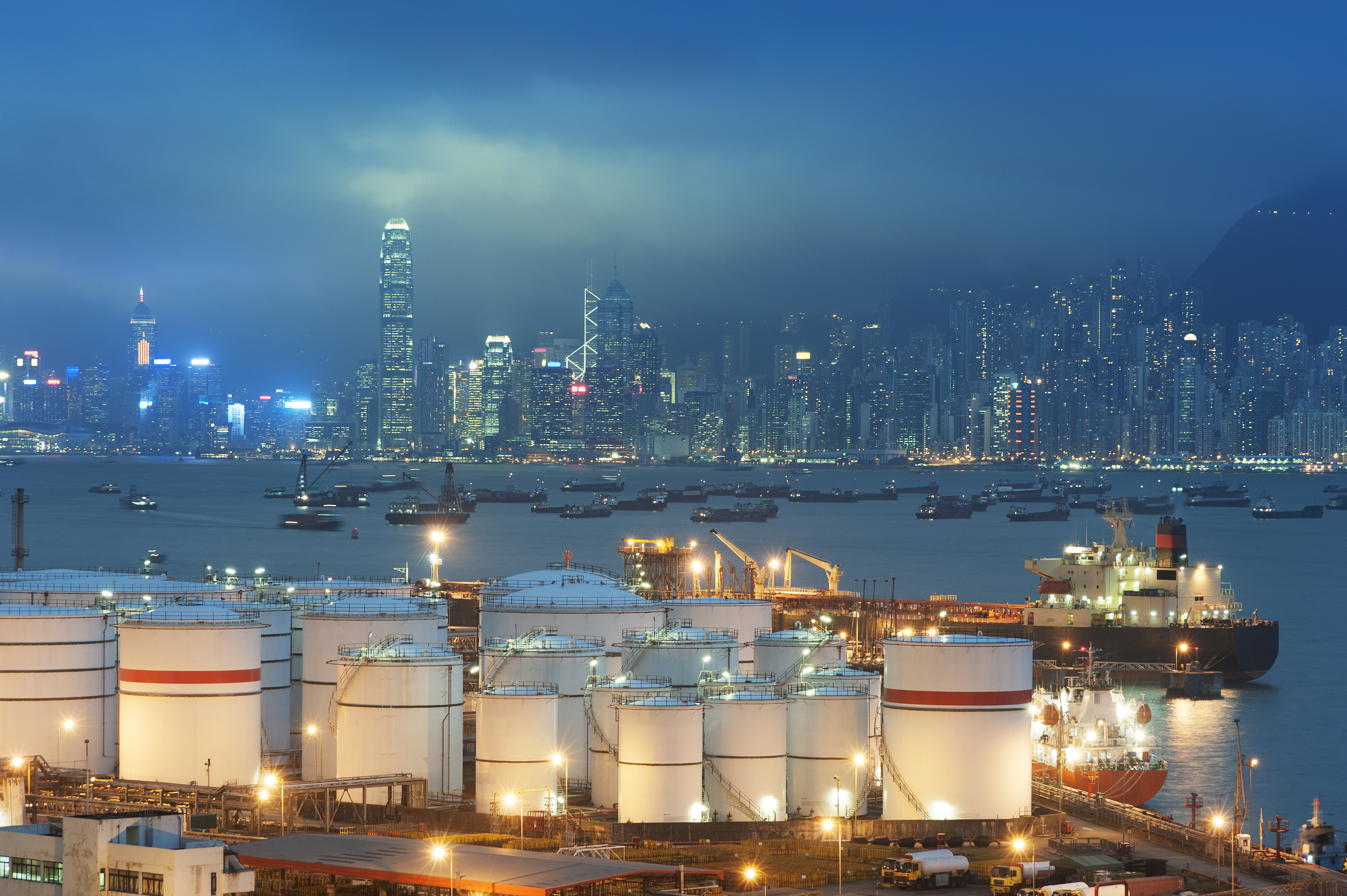
The United Arab Emirates has taken an aggressive lead in this scramble, recording exports of 3.8 million barrels per day in June. Having exited OPEC in May, Abu Dhabi is no longer bound by output quotas, allowing it to bypass group restrictions to secure market share. Saudi Arabia is following a similar path, with projected July shipments of 6.4 million barrels per day, signaling a return to pre-war volume levels. Iraq and Kuwait have also ramped up operations, pushing total flows through the Strait to nearly four times their May levels.
This influx of crude has forced producers to slash prices to capture buyers in an already saturated market. Saudi Arabia has cut the cost of its Arab Light grade to levels not seen since 2020, with some traders reporting discounts reaching 20 dollars per barrel below Brent benchmarks. As Brent prices retreat to roughly 70 dollars, the International Energy Agency warns that global production could exceed demand by 5 million barrels per day next year.
OPEC’s ability to stabilize these conditions appears increasingly fragile. The group recently authorized a modest production increase of 188,000 barrels per day, yet the internal pressure to maximize individual revenue is rising. With the UAE operating independently and other members prioritizing national economic recovery over collective restraint, the organization faces its most significant test of influence in decades. The current battle for market share suggests that geopolitical stability, rather than supply disruption, may now be the primary driver of lower energy prices.


Comments (0)
No comments yet. Be the first!