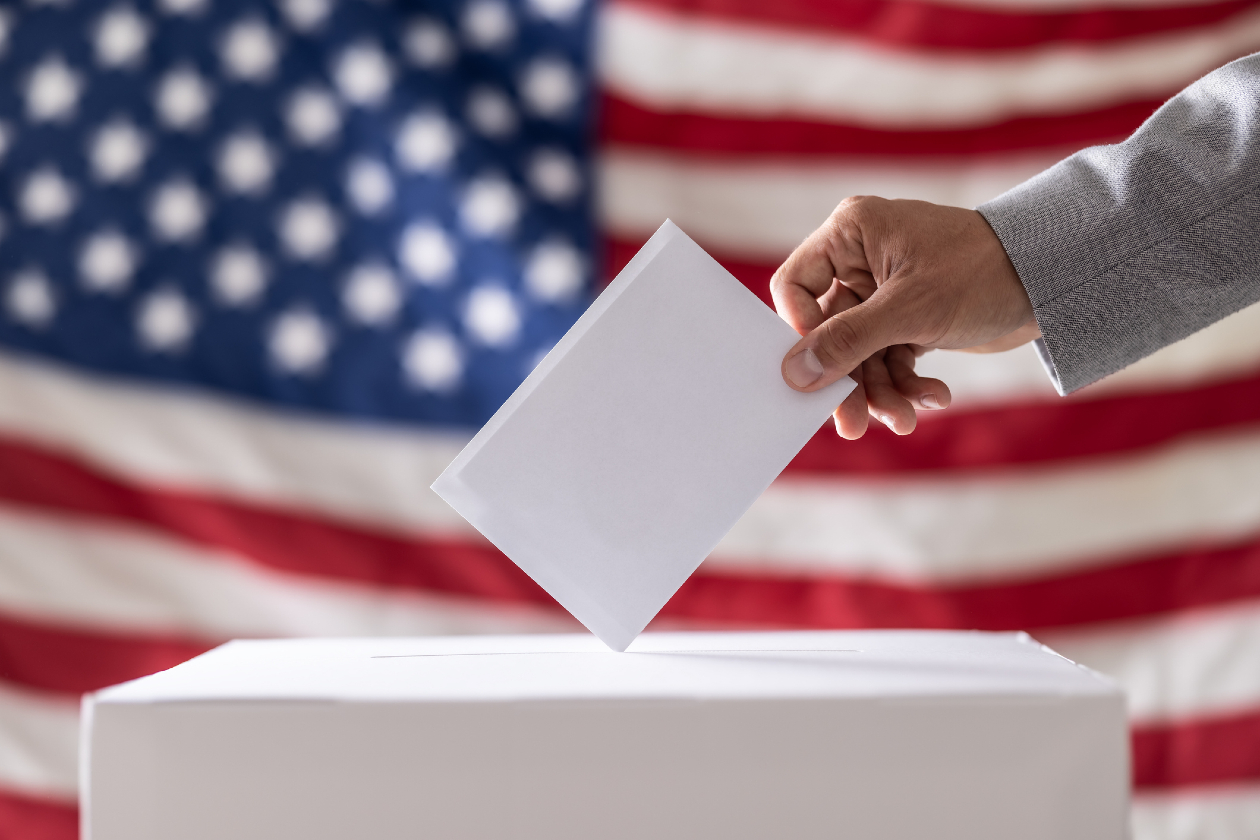
Pashinyan’s Civil Contract party claimed 64 of the 105 parliamentary seats, effectively sidelining the opposition blocs Strong Armenia and Armenia Alliance. The path to this majority was paved with aggressive state tactics, including raids on roughly 50 offices belonging to Samvel Karapetyan’s Strong Armenia bloc and the detention of party members. High-profile figures, such as Prosperous Armenia leader Gagik Tsarukyan, faced criminal charges, while Catholicos Garegin II, the supreme head of the Armenian Apostolic Church, remains under a travel ban amid an ongoing legal dispute with the state.
International observers, particularly in the U.S. and EU, have largely focused on the geopolitical alignment of the government rather than its internal conduct. With Armenia actively pursuing EU membership and serving as a potential node in the Middle Corridor trade network, Western leaders view Pashinyan as a critical, if flawed, partner. Support from figures like President Trump and Secretary of State Marco Rubio underscores a transactional reality: regional stability and a pivot away from Moscow currently weigh heavier in diplomatic calculus than concerns over democratic backsliding. However, with the opposition now challenging the legitimacy of the vote in the Constitutional Court and a climate of fear persisting among the electorate, the stability of this pro-Western administration remains brittle.

Comments (0)
No comments yet. Be the first!