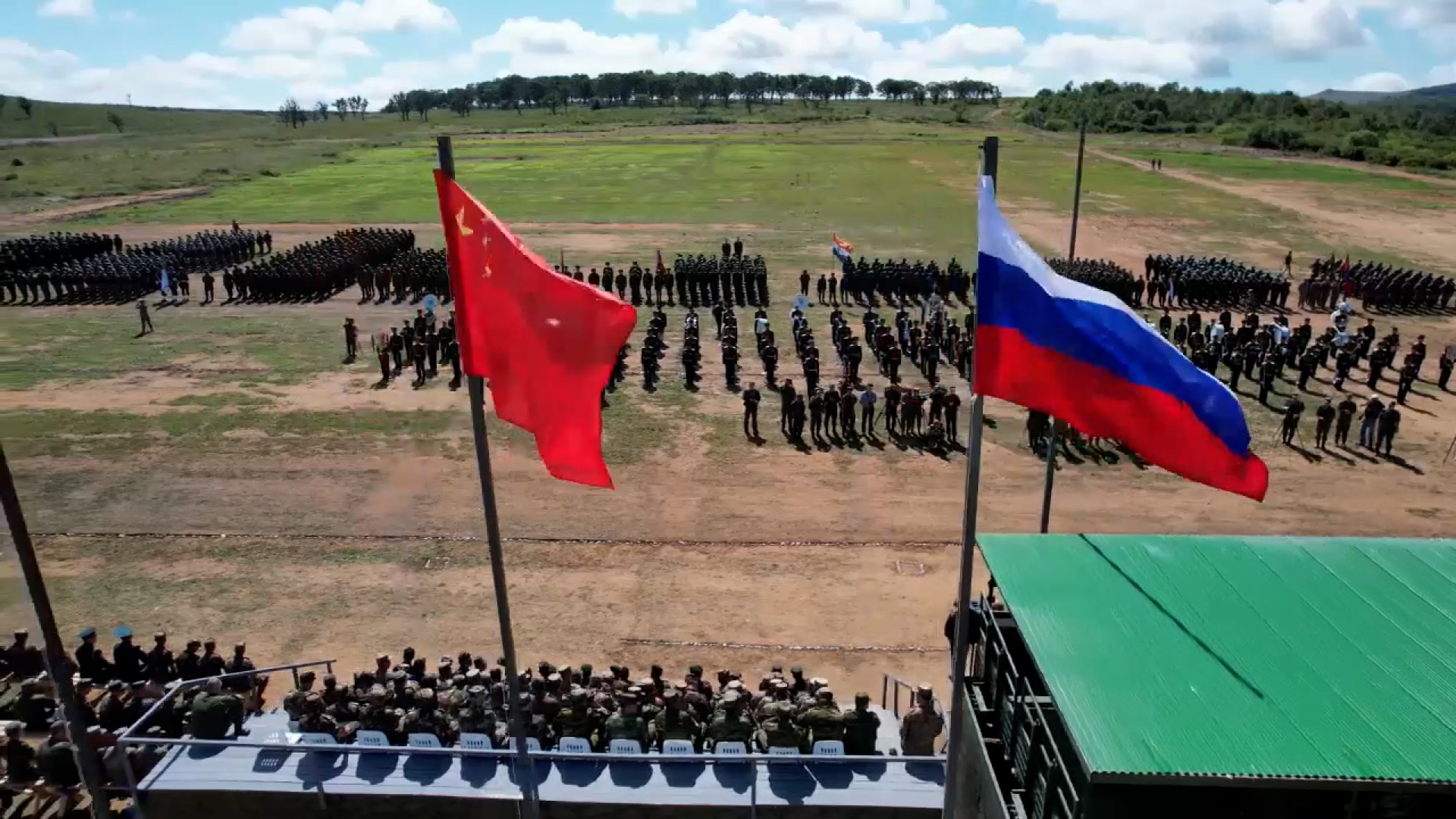
The program, reportedly sanctioned at the highest levels of the Kremlin, involved Russian Defense Minister Andrei Belousov and top generals from both nations. By focusing on contamination detection and chemical reconnaissance, the training provides Moscow with specialized capabilities for complex battlefield scenarios. This collaboration highlights a strategic exchange where Russia leverages its recent combat experience in Ukraine while China contributes advanced industrial capacity and modern training infrastructure.
Beijing continues to maintain a public stance of neutrality regarding the Ukraine conflict, yet the existence of these drills intensifies pressure on European governments to re-evaluate their China policy. EU officials are increasingly characterizing Beijing as a strategic actor whose security decisions directly impact European stability. While the partnership lacks the formal structure of a military alliance, the integration of specialized warfare training suggests a deepening of ties that could trigger further Western sanctions and tighter export controls on Chinese firms linked to the defense sector. The alignment forces NATO to accelerate collective defense planning as the Russia-China relationship evolves into a coordinated effort to reshape the global security environment.

Comments (0)
No comments yet. Be the first!