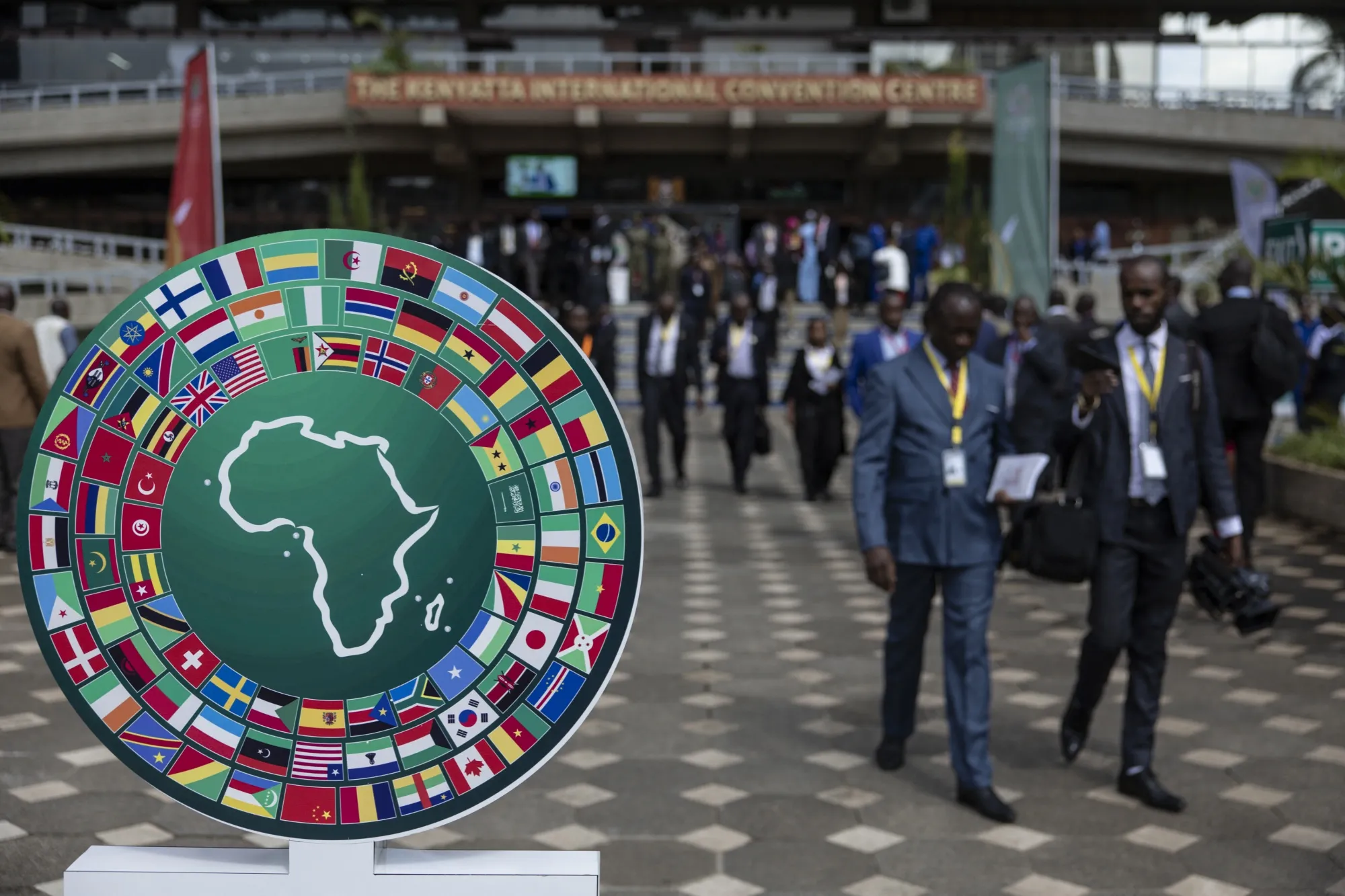
The Tunis workshop on 23 June 2026 marks the latest phase in a regional roadmap designed to dismantle infrastructure bottlenecks and regulatory hurdles. Previous efforts between 2020 and 2026 deployed US$6 billion across 23 major projects, yet the current focus shifts toward deepening financial integration and harmonizing industrial standards. Officials are targeting transport corridors, energy grids, and regional value chains as the primary levers to transition from fragmented markets to a cohesive economic bloc.
Tunisia is emerging as a focal point for this expansion, with the Bank identifying potential for the country to scale its agro-processing, pharmaceutical, and digital service exports. By tightening ties with Algeria, Libya, and sub-Saharan partners, the region aims to lower logistics costs and unlock manufacturing capacity. These discussions, which have already spanned Mauritania, Libya, and Morocco, seek to transform regional connectivity into a engine for youth employment and long-term industrial resilience.

Comments (0)
No comments yet. Be the first!