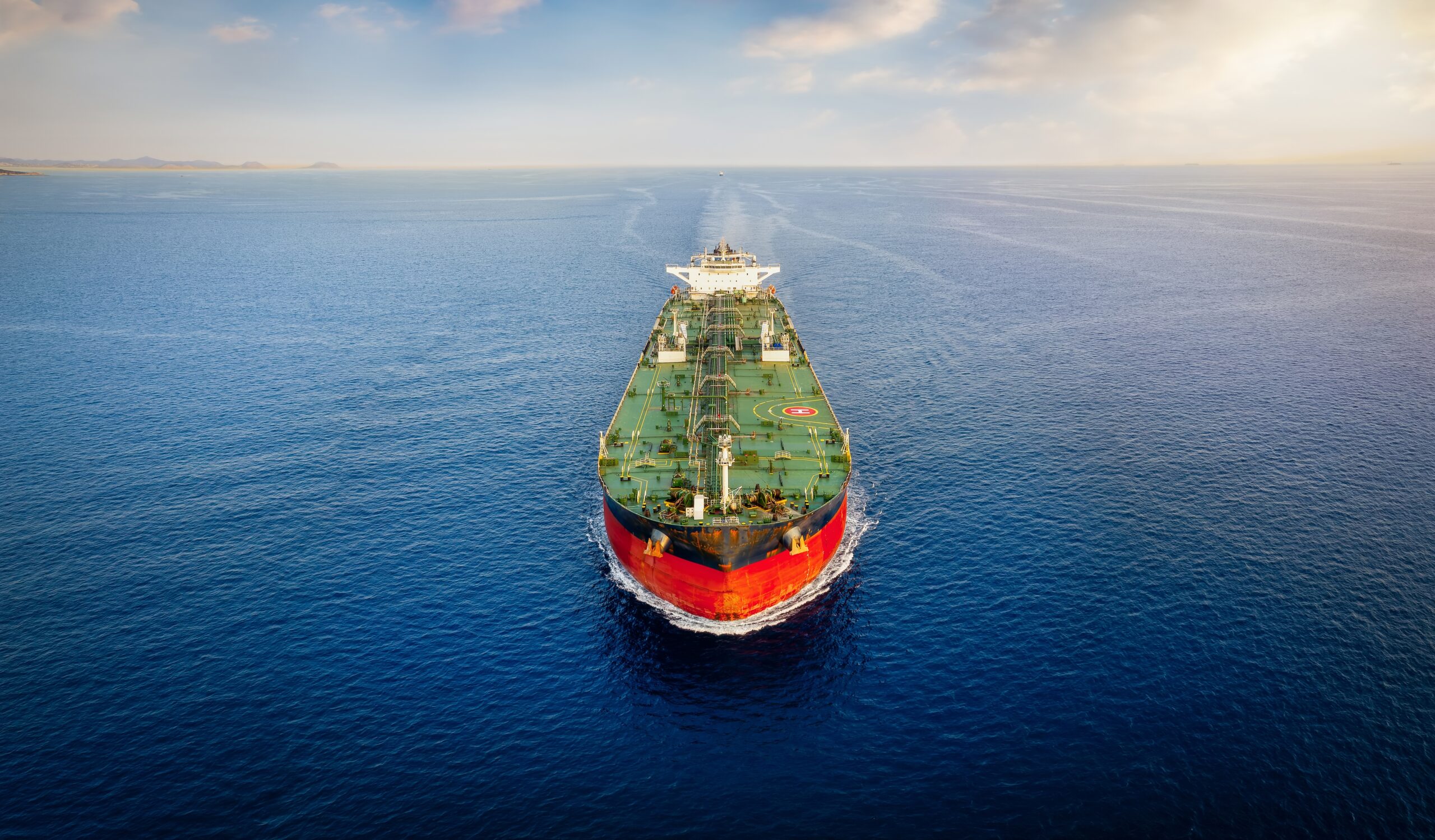
Though crude prices have returned to pre-conflict levels following the interim US-Iran agreement, the fragility of global trade remains a critical concern. Shipping networks and inventory cycles do not recalibrate instantly, meaning that the elevated costs of moving goods will persist long after maritime restrictions have lifted. This lag creates a dangerous disconnect where fuel prices fall while the price of basic necessities continues to climb.
Developing nations, particularly those heavily reliant on imported staples and fertilizers, face the most severe consequences. These import-dependent economies often lack the fiscal buffer to absorb sustained price hikes, leaving them vulnerable to food insecurity and social instability. The agency emphasizes that without targeted international financial and logistical aid, these regions risk prolonged economic stagnation. For many fragile states, the end of the geopolitical standoff at the strait does not signal a return to stability, but rather the beginning of a difficult recovery period where inflationary pressures threaten to erode household incomes for months to come.
Comments (0)
No comments yet. Be the first!