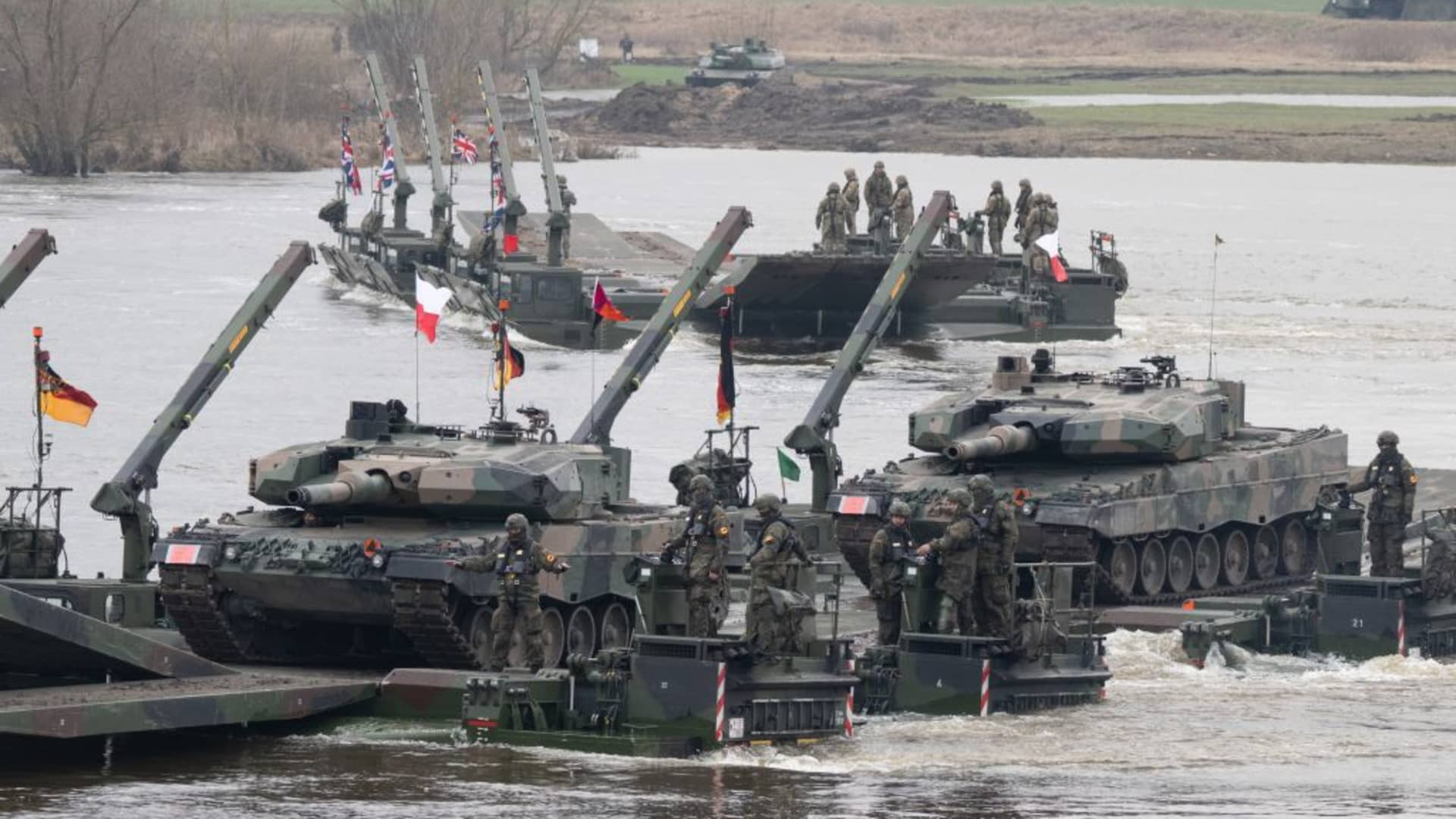
Military planners emphasize that these joint operations remain insulated from the volatile rhetoric emanating from Washington. While the White House frequently questions the fiscal value of the alliance and signals potential shifts in troop deployments, the actual mechanics of NATO—interoperability, command standardization, and complex maritime maneuvers—continue to function with long-planned precision. These exercises, ranging from anti-submarine warfare to amphibious operations, serve as a practical demonstration of a collective readiness that persists despite the fraying of diplomatic trust.
Institutional inertia currently acts as a buffer against political instability, yet the Pentagon's ongoing force posture review looms over future strategy. Should the US proceed with significant drawdowns in Europe, the burden of maintaining regional security will fall heavily upon European capitals, forcing a rapid restructuring of command hierarchies. For now, the alliance prioritizes the visible projection of force as a deterrent, betting that deep-rooted military cooperation can survive the current period of transatlantic uncertainty.


Comments (0)
No comments yet. Be the first!