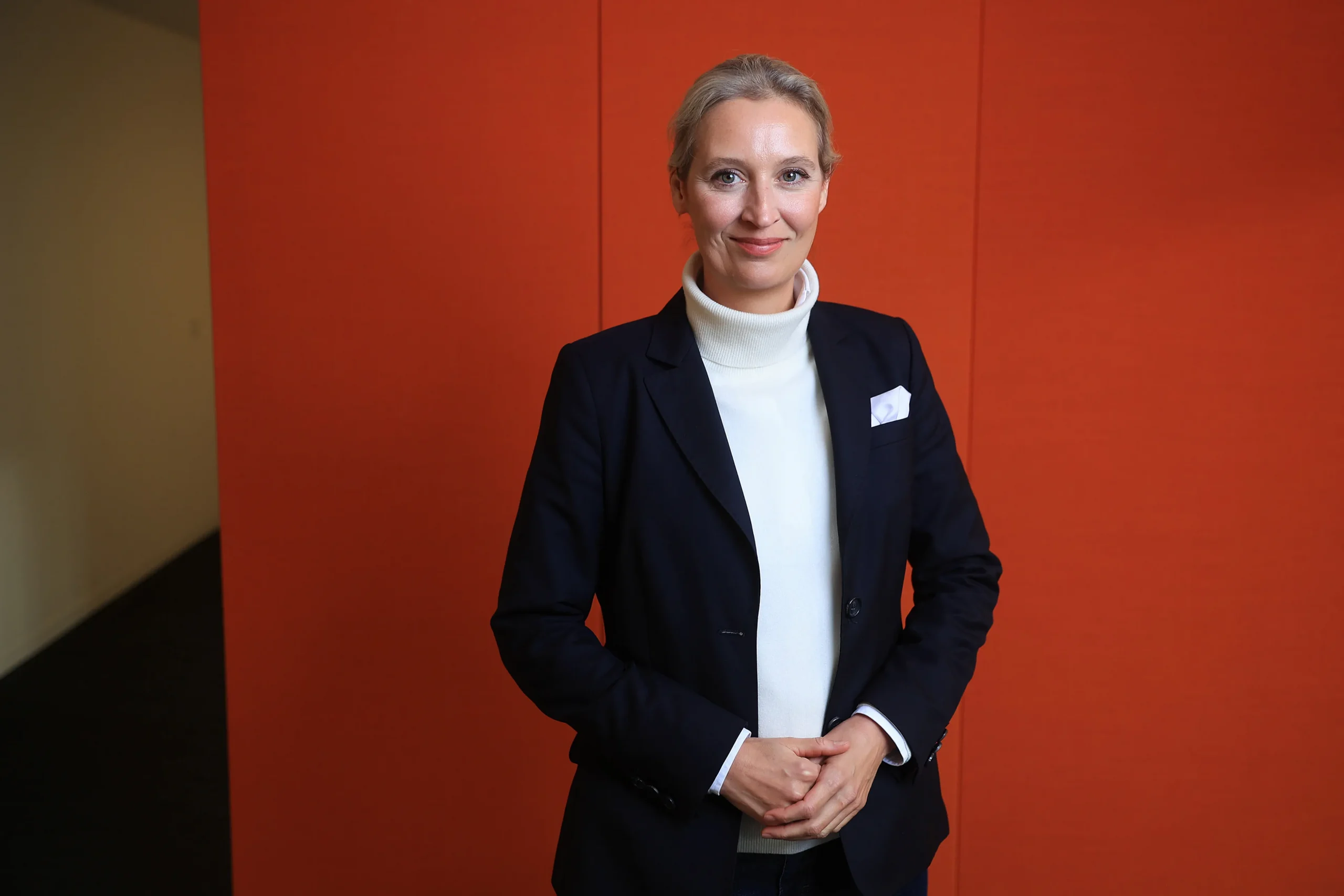
Weidel contends that the current energy policy is a primary driver of widespread job losses and economic stagnation. By framing the reliance on expensive imports as a self-inflicted wound, the AfD is positioning itself to capitalize on voter frustration ahead of critical state elections in Saxony-Anhalt and Mecklenburg-Vorpommern. These regions serve as a testing ground for the party’s strategy to dismantle the national consensus on energy and migration.
This push highlights a deepening rift in German politics, particularly in the former East Germany, where historical ties and economic anxieties shape the electorate's view of both Washington and Moscow. While mainstream parties characterize the AfD as an extremist outlier, Weidel maintains that her platform represents the interests of ordinary citizens. The party is using this economic narrative to gain momentum, aiming to disrupt coalition stability well before the 2029 national elections.
Comments (0)
No comments yet. Be the first!