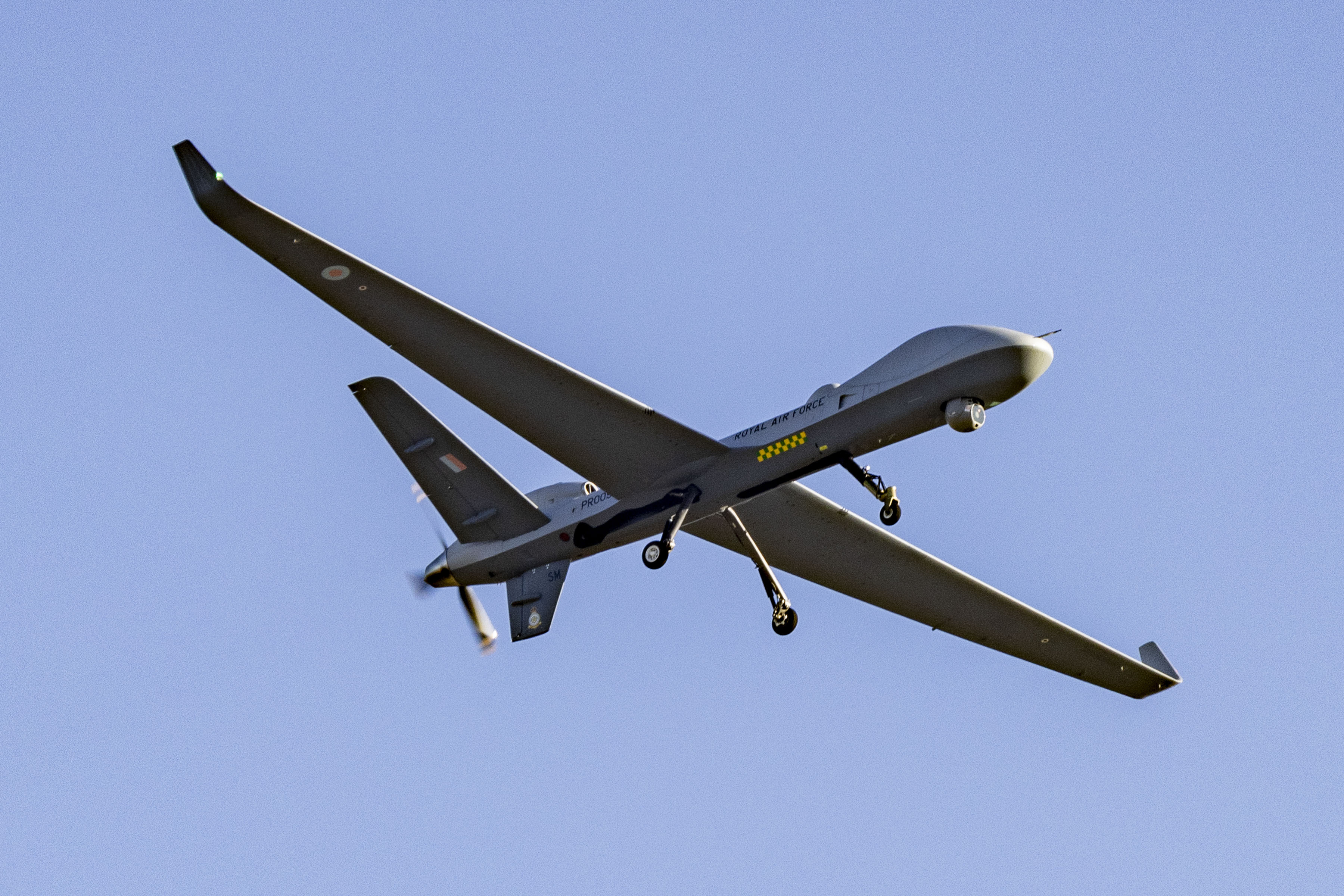
The strategy prioritizes £5 billion for rapid technological integration, signaling a departure from traditional assets like heavy warships. Prime Minister Keir Starmer faces significant political headwinds, however, following the resignation of former defence minister John Healey, who cited persistent financial failures in the government's military approach. Critics, including former Joint Forces Command leader General Richard Barrons, argue that the £15 billion allocation is a mere incremental step that fails to address the structural decay of the armed forces.
While the focus on high-tech warfare mirrors lessons drawn from the conflict in Ukraine, the mismatch between stated ambitions and available funding remains a point of contention. The existing £28 billion gap continues to stall essential training programs and infrastructure upgrades, leaving many experts doubtful that the current package provides the necessary readiness to deter modern threats.

Comments (0)
No comments yet. Be the first!