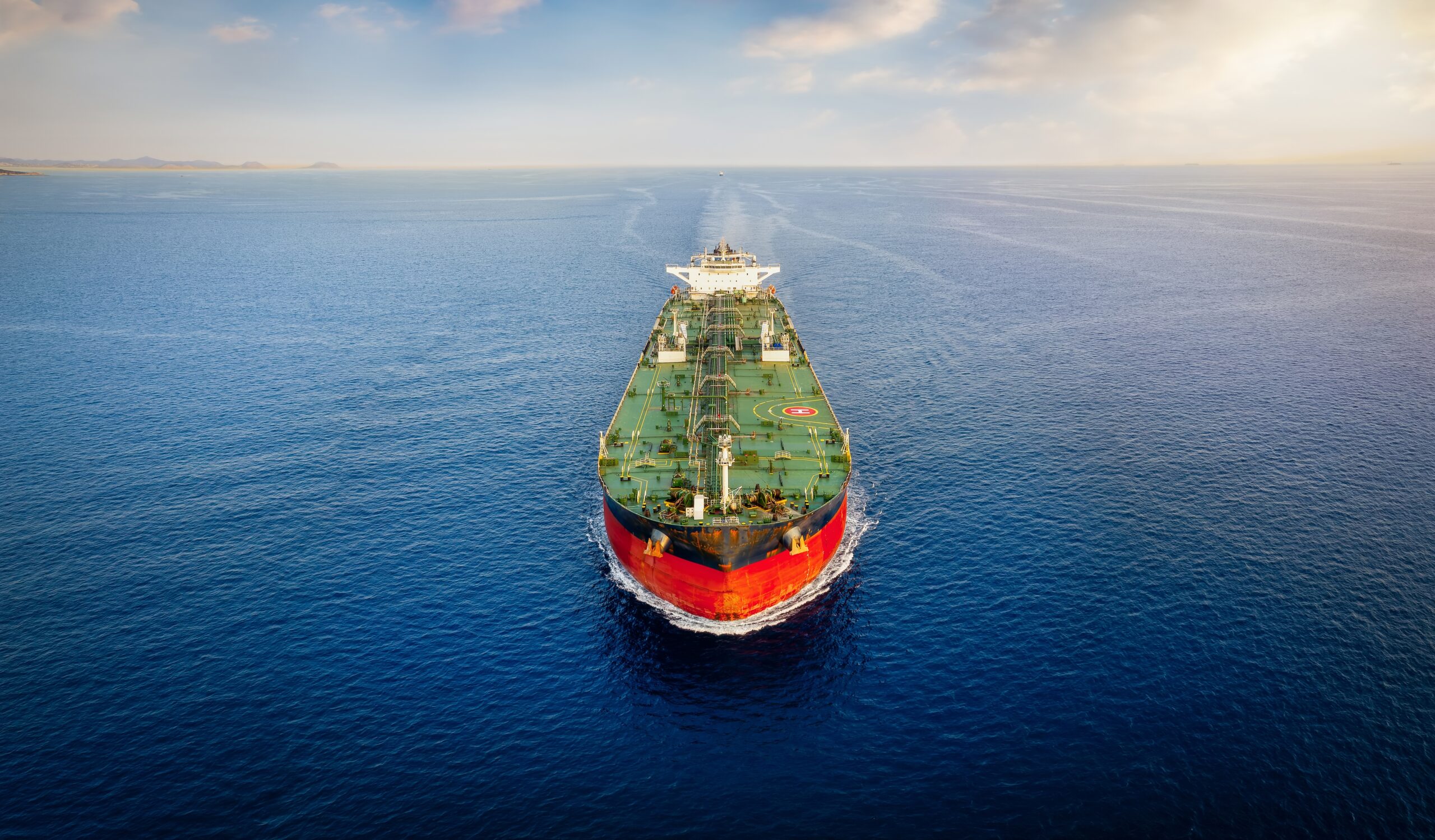
Shipowners are increasingly moving ballast tankers back toward the Gulf, a classic leading indicator suggesting they expect export demand to rebound in the coming weeks. Yet, this influx of empty vessels contrasts sharply with the reality on the ground. Cargo volumes remain stagnant, and the industry is grappling with a massive backlog of delayed vessels that continues to constrain operational efficiency. Even as traffic through the chokepoint increases, the divergence between fleet positioning and physical trade highlights a market pricing in recovery before the logistical bottlenecks have cleared.
Freight rates further underscore this volatility. Earnings for Very Large Crude Carriers have softened as vessels congregate in the region, while capacity in other global trade lanes has tightened. Though the return to traditional routes promises to lower transport costs and improve utilization, the shadow of high war-risk insurance premiums persists. For now, the tanker market is driven less by current trade flows and more by the fragile assumption that regional security will hold. If geopolitical tensions flare again, the current surge in confidence could quickly collapse, leaving shipowners exposed to the same volatility that forced them to seek longer, alternative routes around the Cape of Good Hope.
Comments (0)
No comments yet. Be the first!